


Tube Bender Energy Saving Maintenance is often the first solution I recommend when customers ask how to reduce operating costs without compromising bending accuracy or production stability. If you are looking for practical ways to lower electricity consumption, minimize wear-related expenses, and extend machine service life, you are in the right place. In this article, I’ll explain how energy-focused maintenance directly reduces operating costs, which maintenance actions have the greatest impact, and how small adjustments in daily routines can create long-term savings. Whether you operate a single CNC tube bender or manage multiple machines on a busy production floor, these insights will help you control costs more effectively.
How Tube Bender Energy Saving Maintenance Reduces Power Consumption
Energy costs are a major part of tube bending operations, especially in high-volume production. Tube Bender Energy Saving Maintenance focuses on reducing unnecessary power usage while keeping performance stable.
Optimizing Hydraulic System Efficiency During Tube Bender Maintenance
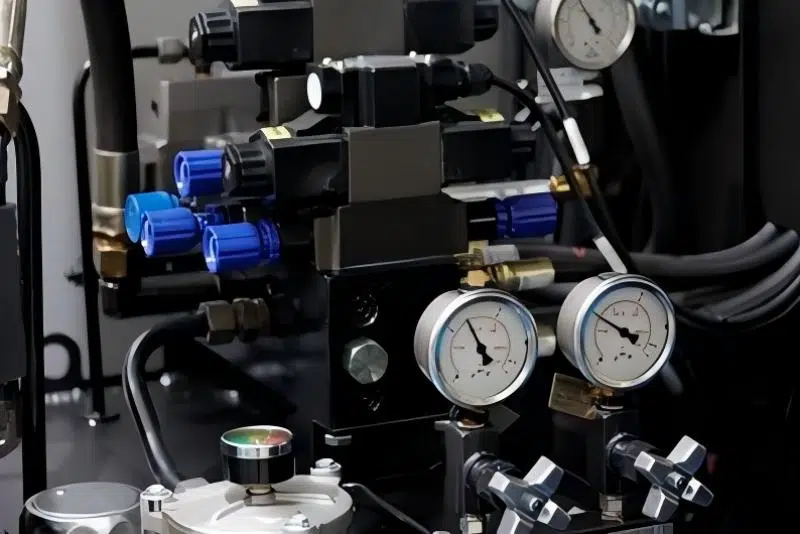
Hydraulic systems are one of the biggest energy consumers on a tube bender. During maintenance, I always check oil cleanliness, pressure settings, and valve response. Contaminated oil or improperly set pressure forces the pump to work harder, increasing power draw. By maintaining clean hydraulic oil, replacing clogged filters on time, and adjusting system pressure to match actual bending requirements, the machine consumes less energy per cycle without affecting bending force.
Reducing Electrical Losses in CNC Tube Bender Control Systems
Electrical losses often go unnoticed. Loose terminals, aging contactors, or poorly maintained servo drives can cause energy waste and heat buildup. As part of Tube Bender Energy Saving Maintenance, inspecting electrical connections and ensuring stable voltage supply helps reduce resistance losses. Well-maintained drives operate more efficiently, which directly lowers electricity consumption over long production runs.
How Proper Lubrication Lowers Operating Costs in Tube Benders
Lubrication is not just about protecting components; it plays a key role in energy efficiency.
Choosing the Right Lubricants for Energy Saving Maintenance

Using incorrect or degraded lubricants increases friction on guide rails, rotating arms, and mandrel mechanisms. Higher friction means motors and hydraulic systems need more power to achieve the same motion. During maintenance, I always verify lubricant type, viscosity, and application intervals recommended for CNC tube benders. Proper lubrication reduces resistance, lowers energy demand, and minimizes component wear at the same time.
Preventing Over-Lubrication and Energy Waste
Over-lubrication can be just as costly as under-lubrication. Excess grease attracts dust and debris, increasing friction instead of reducing it. Tube Bender Energy Saving Maintenance includes cleaning excess lubricant and applying only what is necessary. This keeps moving parts smooth and energy-efficient.
How Preventive Maintenance Extends Component Life and Cuts Costs
Replacing worn parts is expensive, but replacing them too early due to poor maintenance is even worse.
Reducing Wear on Drive Components Through Energy Saving Maintenance
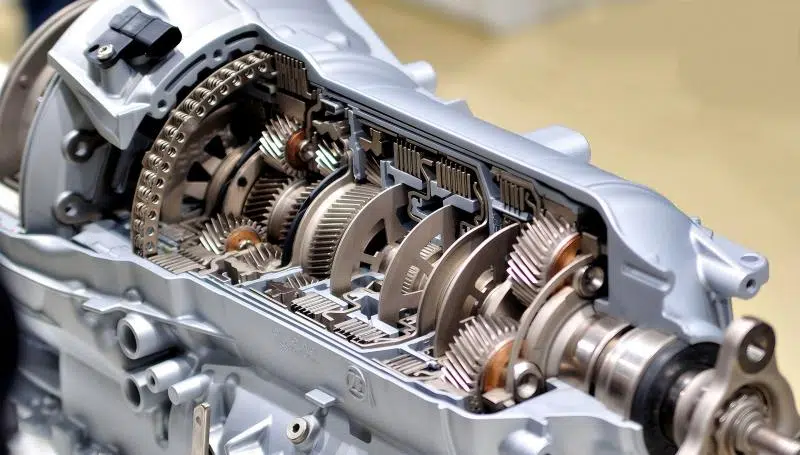
Motors, gearboxes, and transmission components consume more energy as they wear. Misalignment, poor lubrication, or loose fasteners increase load and power consumption. I focus on regular alignment checks and torque inspections during maintenance. This approach reduces mechanical losses, keeps energy usage stable, and extends component service life.
Avoiding Energy Spikes Caused by Poor Machine Condition
Machines in poor condition often show sudden energy spikes during bending cycles. These spikes are signs of inefficiency caused by sticking slides, worn bearings, or hydraulic imbalance. Tube Bender Energy Saving Maintenance helps identify and correct these issues early, preventing both energy waste and unplanned downtime.
How Smart Maintenance Scheduling Lowers Operating Expenses
Maintenance timing plays a surprisingly important role in energy efficiency.
Aligning Maintenance with Production Cycles
Performing maintenance during planned downtime avoids rushed repairs and inefficient temporary fixes. I recommend scheduling energy-focused maintenance tasks alongside production planning. This ensures the tube bender runs at optimal efficiency when production demand is highest, reducing energy cost per part.
Using Maintenance Records to Improve Energy Efficiency
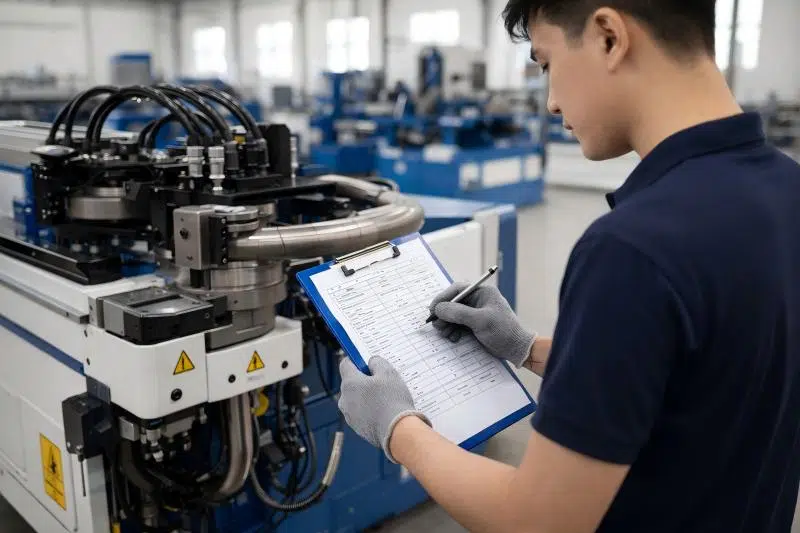
Tracking maintenance data allows me to identify patterns in energy usage. When energy consumption increases after certain operating hours, it usually points to maintenance needs such as filter replacement or lubrication renewal. Using these records helps fine-tune Tube Bender Energy Saving Maintenance schedules and prevents unnecessary energy loss.
FAQ
How does Tube Bender Energy Saving Maintenance directly lower operating costs?
It reduces electricity consumption, minimizes wear-related repairs, and extends component life. Efficient systems require less power and fewer replacements, which lowers total operating expenses.
How often should energy-saving maintenance be performed on a tube bender?
Basic inspections should be done weekly, while deeper energy-related maintenance, such as hydraulic and electrical checks, should follow the manufacturer’s recommended service intervals or operating hours.
Can Tube Bender Energy Saving Maintenance affect bending accuracy?
Yes, positively. Reduced friction, stable hydraulic pressure, and efficient drives improve motion control, which helps maintain consistent bending accuracy.
Is energy-saving maintenance suitable for older CNC tube benders?
Absolutely. Older machines often benefit even more, as addressing wear, alignment, and lubrication issues can significantly reduce unnecessary energy consumption.
Conclusion
Tube Bender Energy Saving Maintenance is not just about reducing electricity bills; it is about improving overall machine efficiency and lowering long-term operating costs. By optimizing hydraulic systems, maintaining electrical components, applying proper lubrication, and following a structured preventive maintenance plan, you can reduce energy waste while protecting machine performance. These practices help you produce more parts with less power and fewer unexpected expenses. If you want to learn more about optimizing your tube bender or need professional guidance tailored to your production needs, feel free to contact our team or explore our related maintenance documentation for deeper insights.


