


Remote Tube Bender Maintenance is one of the most effective ways to reduce the risk of unexpected failures in tube bending operations. When a CNC tube bender stops without warning, it often triggers production delays, quality problems, and costly emergency repairs. If you are looking for a practical solution to minimize these risks, understanding how remote maintenance works is essential. In this article, I’ll explain how remote monitoring and maintenance help detect potential issues early, stabilize machine performance, and prevent unplanned downtime. Based on real production scenarios, this guide shows how remote maintenance transforms reactive repairs into proactive control, keeping tube bending operations running smoothly and predictably.
How Remote Tube Bender Maintenance Works in Daily Operation
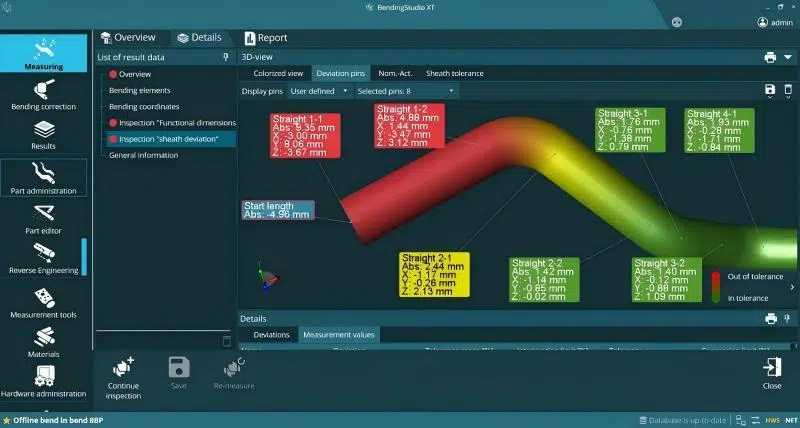
Remote Tube Bender Maintenance relies on continuous data collection and real-time communication between the machine and maintenance teams. Instead of waiting for alarms or breakdowns, the system monitors machine health during normal production.
Real-Time Machine Status Monitoring
Modern CNC tube benders are equipped with sensors that track parameters such as servo motor load, bending torque, hydraulic pressure, temperature, and cycle counts. Through remote monitoring platforms, this data is transmitted to service engineers or maintenance managers. When values drift outside normal ranges, warnings appear long before a failure occurs. This early visibility is one of the strongest advantages of Remote Tube Bender Maintenance.
Remote Access to CNC and PLC Systems
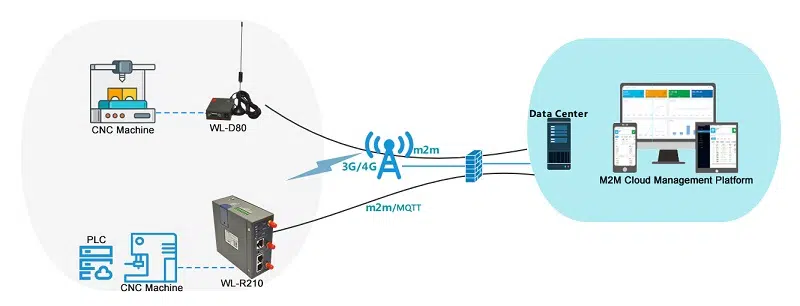
With secure remote connections, technicians can access the CNC controller or PLC system without being physically on-site. They can review alarm histories, check parameter changes, and verify machine settings. This allows faster diagnosis and avoids unnecessary downtime caused by waiting for service visits.
How Remote Tube Bender Maintenance Detects Early Warning Signs
Unexpected failures rarely happen without warning. The challenge is that these warnings are often invisible during manual inspections.
Identifying Abnormal Servo and Drive Behavior
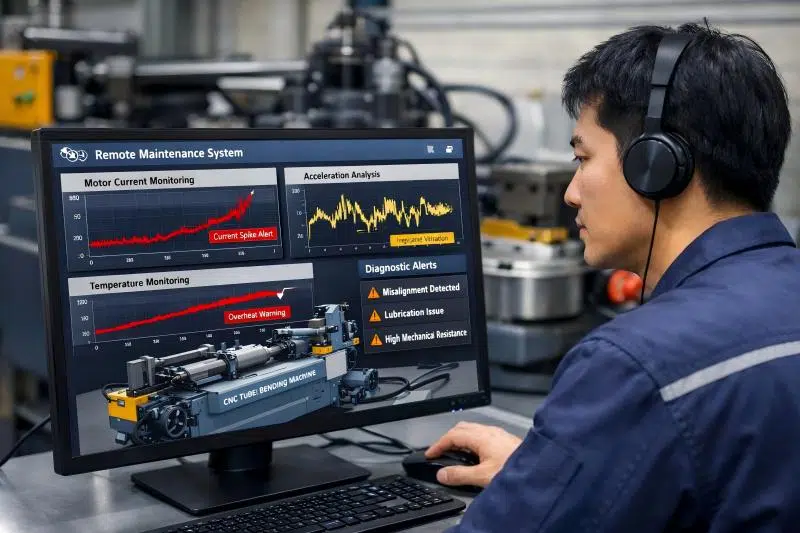
Servo motors and drives are critical components in tube bending accuracy. Remote Tube Bender Maintenance systems analyze trends such as rising motor current, irregular acceleration curves, or overheating. These signals often indicate misalignment, lubrication issues, or mechanical resistance. Addressing them early prevents sudden servo alarms or motion failures.
Monitoring Tooling and Mandrel Stress
Tooling wear and mandrel stress directly affect bending quality and machine stability. Remote monitoring can track torque fluctuations during bending cycles. If resistance increases gradually, it may indicate tooling wear or improper lubrication. Maintenance teams can schedule inspections before tooling damage leads to production stops or part scrap.
How Predictive Maintenance Prevents Unexpected Failures
One of the most powerful benefits of Remote Tube Bender Maintenance is predictive maintenance. Instead of fixed maintenance intervals, decisions are based on real machine conditions.
Condition-Based Maintenance Planning
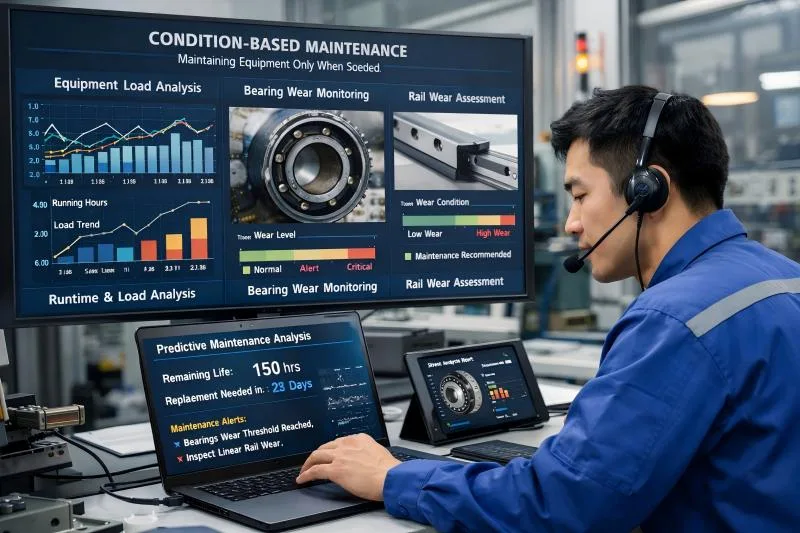
By analyzing operating hours, load patterns, and component stress, maintenance tasks are scheduled only when needed. This reduces over-maintenance while ensuring critical components are serviced before failure. For example, bearings or guides can be replaced based on actual wear indicators rather than estimated lifespans.
Reducing Emergency Repairs and Downtime
Emergency repairs are expensive and disruptive. Remote Tube Bender Maintenance shifts maintenance from reactive to planned. When issues are detected early, repairs can be scheduled during planned stops, avoiding sudden breakdowns that halt entire production lines.
How Remote Diagnostics Improve Troubleshooting Speed
When a failure does occur, remote diagnostics significantly reduce recovery time.
Faster Root Cause Analysis
Instead of guessing the cause of a fault, engineers can review historical data and alarm logs remotely. This helps identify whether the issue is electrical, mechanical, or related to program settings. Accurate diagnosis shortens repair time and prevents repeated failures.
Remote Software Updates and Parameter Optimization
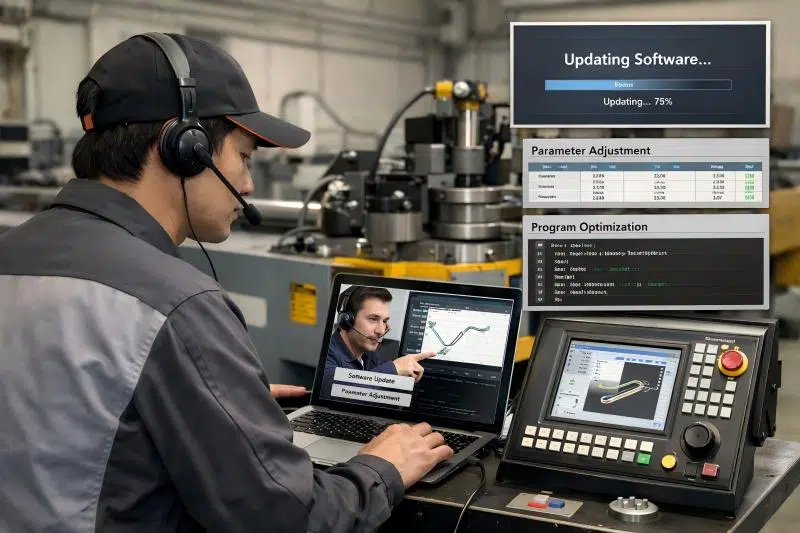
Some issues are software-related rather than mechanical. With Remote Tube Bender Maintenance, software updates, parameter corrections, and program optimizations can be completed remotely. This eliminates unnecessary travel and restores machine performance faster.
How Remote Tube Bender Maintenance Improves Long-Term Reliability
Preventing unexpected failures is not just about avoiding downtime today—it’s about extending machine life.
Consistent Accuracy and Stable Performance
Stable parameters and controlled operating conditions help maintain bending accuracy over time. Remote monitoring ensures deviations are corrected early, protecting both machine structure and product quality.
Data-Driven Maintenance Decisions
Historical data collected through Remote Tube Bender Maintenance provides valuable insights into machine behavior. Maintenance strategies become more precise, reducing wear, extending component life, and improving return on investment.
FAQS
Is Remote Tube Bender Maintenance suitable for older CNC tube benders?
Yes, many older machines can be upgraded with sensors and communication modules. While functionality may vary, basic remote monitoring and diagnostics are often achievable.
How secure is remote access for tube bender maintenance?
Secure VPN connections, encrypted data transmission, and user permission control are typically used to ensure data safety and prevent unauthorized access.
Can Remote Tube Bender Maintenance replace on-site inspections completely?
No. Remote maintenance complements on-site inspections. Visual checks and mechanical inspections are still necessary, but remote systems reduce their frequency and urgency.
How does Remote Tube Bender Maintenance reduce maintenance costs?
By preventing emergency repairs, reducing downtime, and optimizing maintenance schedules, overall service and spare parts costs are significantly lowered.
Conclusion
Unexpected failures don’t have to be part of tube bending operations. By implementing Remote Tube Bender Maintenance, you gain early visibility into machine health, faster troubleshooting, and smarter maintenance planning. This proactive approach reduces downtime, protects accuracy, and extends machine lifespan. If you want to make your tube bending operation more reliable and predictable, remote maintenance is a practical and proven solution. For more technical guidance or to explore remote maintenance solutions for your tube benders, feel free to contact the HARSLE team or continue reading our related documentation.


