


Tube Bender Temperature Maintenance is often the key factor behind inconsistent tube bending quality, such as drifting angles, changing radii, or unexpected surface defects. When these issues appear over time, the cause is usually not tooling or programming, but uncontrolled temperature changes within the machine. Proper temperature management directly affects bending accuracy, repeatability, and overall machine stability. Without it, even a well-calibrated CNC tube bender can deliver unstable results. In this article, I’ll explain how temperature influences bending quality, which components are most sensitive to heat variations, and how effective temperature control can greatly improve bending consistency and product quality.
How Tube Bender Temperature Maintenance Influences Bending Accuracy
Thermal Expansion and Dimensional Changes
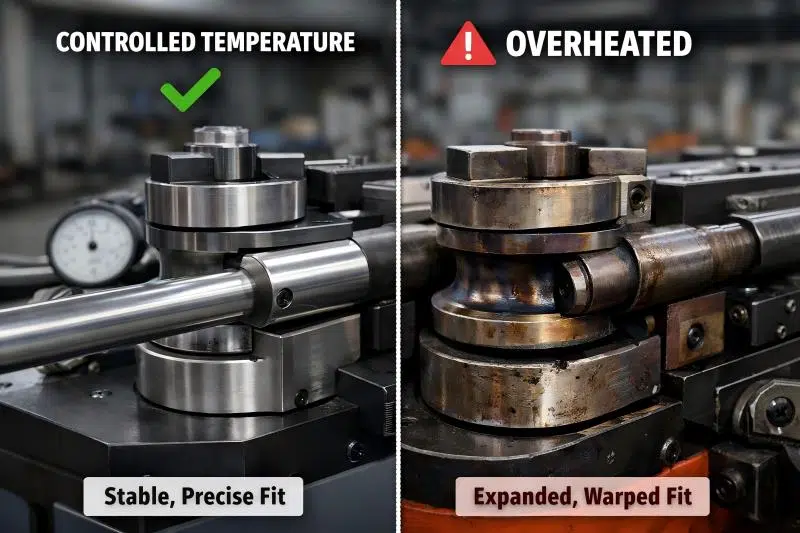
Metal components inside a tube bender expand when temperatures rise and contract when they cool. This includes machine frames, bending arms, mandrels, and tooling holders. Even small dimensional changes caused by temperature fluctuations can shift bending angles and centerline radii. With proper Tube Bender Temperature Maintenance, these thermal effects are kept within predictable limits, helping the machine maintain consistent geometry throughout production.
Impact on Repeatability During Long Production Runs
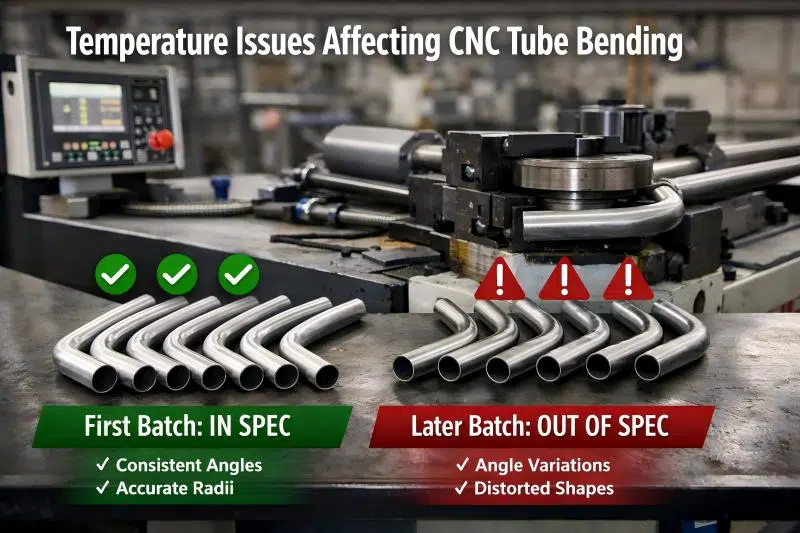
During extended bending cycles, heat gradually builds up in mechanical and hydraulic components. Without temperature control, the first batch of parts may meet tolerance, while later parts drift out of specification. I’ve seen this happen frequently in high-volume tube bending operations. Maintaining stable operating temperatures ensures that every bend—from the first tube to the last—meets the same quality standard.
Hydraulic System Temperature and Bending Quality
How Hydraulic Oil Temperature Affects Pressure Stability
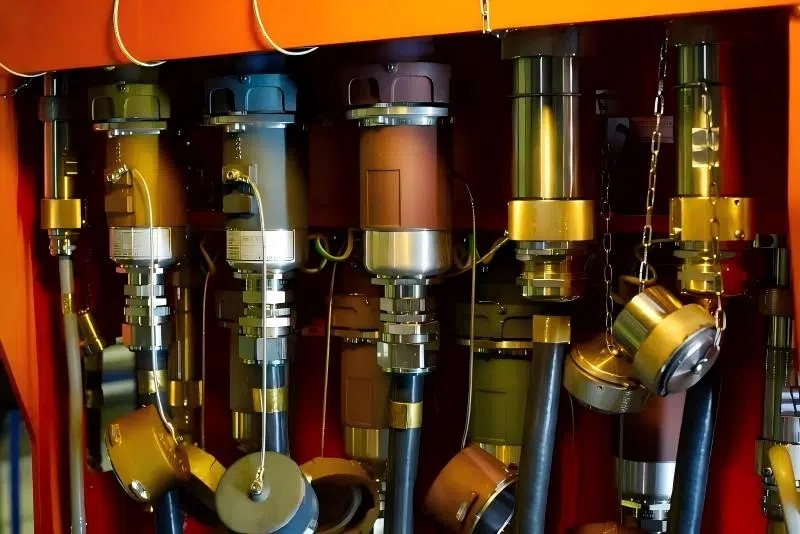
Hydraulic oil viscosity changes with temperature. When oil becomes too hot, it thins, leading to pressure fluctuations and delayed system response. This directly impacts clamping force, bending speed, and positioning accuracy. Effective Tube Bender Temperature Maintenance keeps hydraulic oil within the recommended range, ensuring stable pressure and smooth bending motion.
Preventing Overheating in Hydraulic Tube Benders
Overheating often results from blocked coolers, contaminated oil, or excessive continuous operation. Regularly inspecting oil coolers, monitoring oil temperature sensors, and replacing degraded oil are essential steps. By preventing overheating, bending force remains consistent, which directly improves angle accuracy and surface finish.
Servo Motors and Electrical Components Under Temperature Stress
Servo System Sensitivity to Temperature Fluctuations
Modern CNC tube benders rely heavily on servo motors and drives for precise positioning. Excessive heat can reduce servo efficiency, trigger alarms, or cause positioning errors. Proper Tube Bender Temperature Maintenance helps keep electrical cabinets ventilated and prevents thermal overload, ensuring stable axis control during bending operations.
Electrical Cabinet Cooling Best Practices
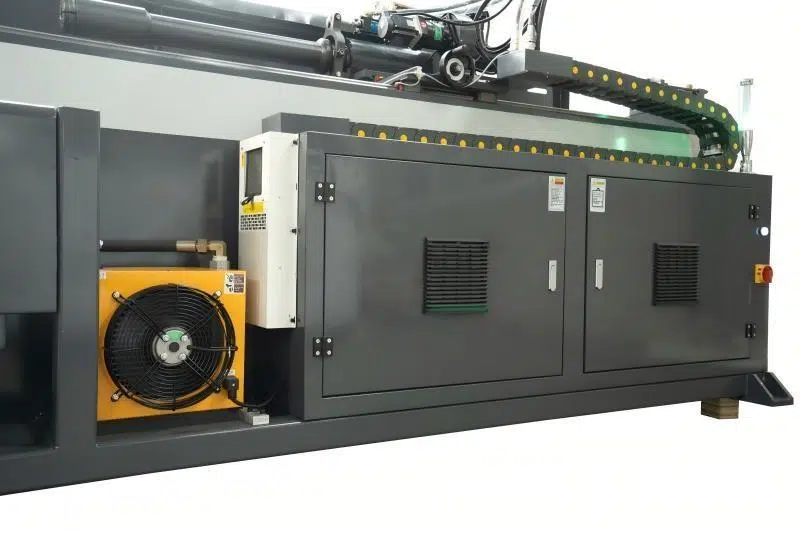
Dust buildup, blocked fans, or poor airflow can trap heat inside control cabinets. I always recommend routine cleaning of filters, checking cooling fans, and ensuring adequate spacing around electrical enclosures. Stable electronics temperature means more reliable motion control and fewer unexpected production interruptions.
Ambient Temperature and Workshop Conditions
How Factory Environment Affects Bending Quality
Ambient temperature changes between seasons can also influence tube bending results. Cold environments may cause hydraulic oil to thicken, while hot workshops accelerate thermal expansion. Tube Bender Temperature Maintenance should include adapting warm-up procedures and machine settings based on ambient conditions to maintain bending consistency year-round.
Warm-Up Procedures for Consistent Results
A proper warm-up cycle allows the machine to reach stable operating temperature before full production begins. This step is often overlooked, yet it significantly improves bending repeatability. Running initial test bends after warm-up helps confirm that temperature-related variations are minimized.
Tooling Temperature and Surface Quality
Heat Transfer Between Tooling and Tubes
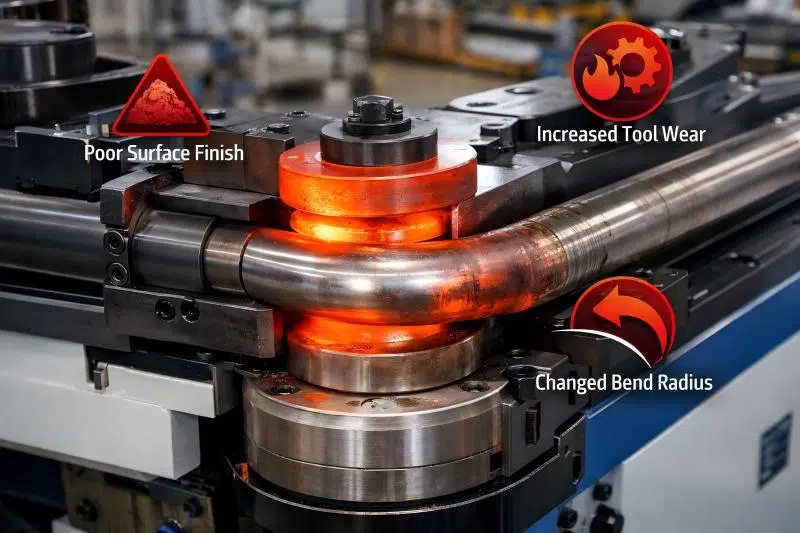
During continuous bending, tooling absorbs heat from friction and deformation. Excessive tooling temperature can affect surface finish, increase wear, and alter bend radii. Monitoring tooling condition and allowing cooling intervals when necessary are part of effective Tube Bender Temperature Maintenance.
Reducing Tool Wear Through Temperature Control
Maintaining reasonable tooling temperatures extends die and mandrel life. Proper lubrication, correct bending speeds, and periodic cooling pauses all contribute to better surface quality and longer tooling service life.
Practical Tube Bender Temperature Maintenance Tips
Daily Temperature Monitoring
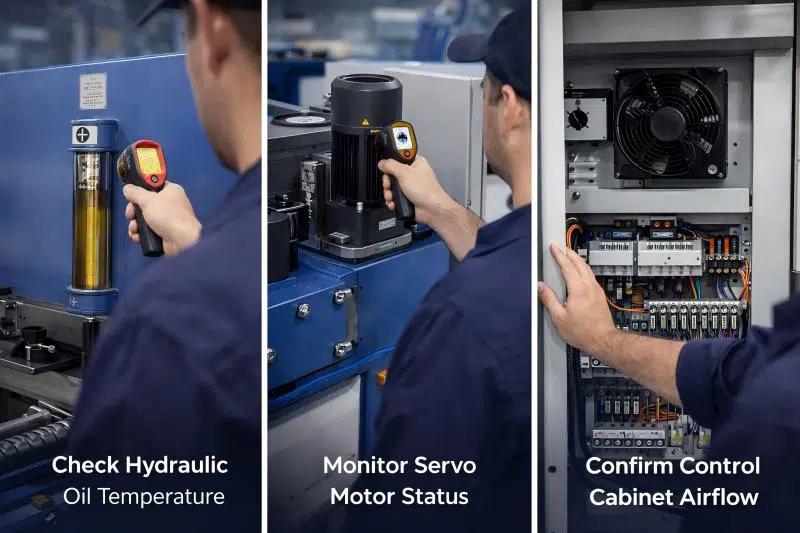
I always recommend operators check hydraulic oil temperature, servo motor status, and cabinet airflow at the start of each shift. Early detection of abnormal temperature trends prevents quality issues before they appear on finished parts.
Scheduled Cooling System Inspections
Cooling fans, oil coolers, and heat exchangers should be inspected regularly. A small blockage or fan failure can quickly escalate into bending accuracy problems if left unaddressed.
Data Logging and Trend Analysis
Modern CNC tube benders often support temperature monitoring through the control system. Reviewing temperature logs helps identify patterns and optimize maintenance schedules for consistent bending quality.
FAQs
How does Tube Bender Temperature Maintenance affect bending angle accuracy?
Stable temperatures prevent thermal expansion and hydraulic pressure variation, helping the machine maintain consistent bending angles throughout production.
What is the ideal hydraulic oil temperature for tube bending machines?
While exact values depend on the machine model, most tube benders perform best when hydraulic oil remains within the manufacturer’s recommended temperature range, avoiding excessive heat or cold starts.
How often should temperature-related components be inspected?
Basic temperature checks should be done daily, while cooling systems and oil condition should be inspected according to the maintenance schedule or operating hours.
Can poor Tube Bender Temperature Maintenance cause surface defects?
Yes. Overheated tooling and unstable bending forces can lead to surface scratches, deformation marks, and inconsistent finishes on bent tubes.
Conclusion
Tube Bender Temperature Maintenance directly affects bending accuracy, repeatability, surface quality, and machine reliability. By controlling hydraulic oil temperature, protecting servo systems, managing ambient conditions, and monitoring tooling heat, you can achieve consistent bending quality across every production run. If you want to improve bending precision, reduce scrap, and extend machine life, temperature control should be a core part of your maintenance strategy. For more guidance on tube bender maintenance or to discuss optimized solutions for your production needs, feel free to contact the HARSLE team or explore our related documentation resources.


