


Tube Bender Cleaning Tips are often overlooked when bending accuracy starts to decline, alarms appear unexpectedly, or machines require frequent repairs, leading many operators to blame tooling wear or control problems. From my experience, the real cause is usually much simpler: inconsistent cleaning routines. If you’re looking for clear, practical guidance on Tube Bender Cleaning Tips and how often they should be applied in real production environments, you’re in the right place. In this article, I’ll share proven cleaning frequencies, explain what should be cleaned at each stage, and show how proper cleaning directly improves accuracy, reliability, and machine service life. Whether you operate a single CNC tube bender or manage a full production line, these guidelines will help you build a cleaning routine that truly works on the shop floor.
Why Cleaning Frequency Matters in Tube Bender Production
The Link Between Contamination and Bending Accuracy
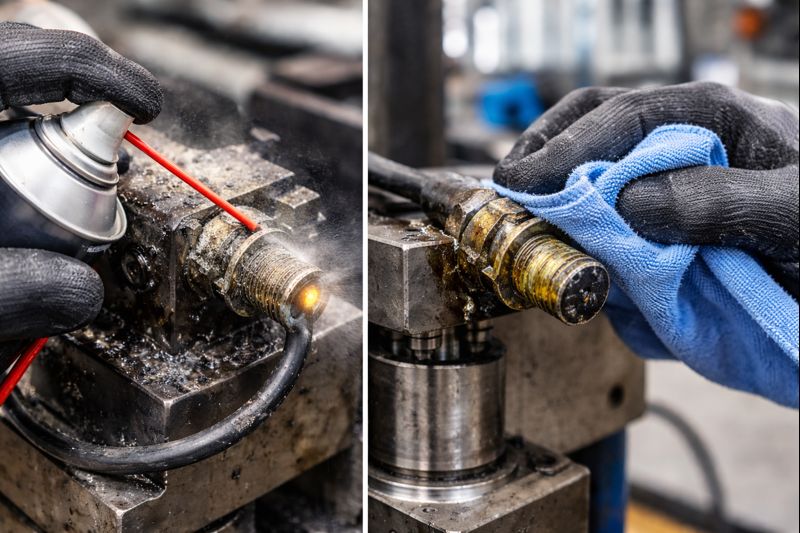
In daily production, metal chips, dust, oil mist, and material residues accumulate much faster than most operators expect. These contaminants don’t just make the machine look dirty; they interfere with sensors, guide rails, clamping surfaces, and mandrels. From my experience, neglecting basic Tube Bender Cleaning Tips often leads to inconsistent bend angles, unstable bending radii, and increased setup time. Cleaning frequency directly affects how accurately the machine can repeat programmed movements.
How Dirt Accelerates Wear and Unexpected Downtime
Dust and debris act like abrasive material. When they enter sliding guides, ball screws, or rotary components, wear accelerates dramatically. I’ve seen machines with excellent mechanical design fail prematurely simply because cleaning was treated as an occasional task instead of a routine process. Applying Tube Bender Cleaning Tips at the right intervals helps reduce friction, extend component life, and prevent sudden production stoppages.
Daily Tube Bender Cleaning Tips for Active Production Lines
Removing Chips, Dust, and Oil Residue After Each Shift

In high-utilization environments, daily cleaning is non-negotiable. At the end of each shift, I always recommend removing metal chips around the bending head, pressure die, clamp die, and mandrel area. Oil residue mixed with dust can harden overnight, making the next startup less smooth. Simple daily Tube Bender Cleaning Tips like wiping exposed surfaces and clearing chip accumulation can significantly improve next-day stability.
Cleaning Sensors and Safety Components
Photoelectric sensors, proximity switches, and safety light curtains are especially sensitive to contamination. A thin layer of dust can cause false alarms or delayed responses. As part of daily Tube Bender Cleaning Tips, I suggest visually checking sensors and gently cleaning them with a dry, lint-free cloth. This small step often eliminates mysterious alarms that operators struggle to diagnose.
Weekly Tube Bender Cleaning Tips for Precision Maintenance
Deep Cleaning of Guide Rails and Linear Motion Areas

Weekly cleaning goes beyond surface-level tasks. I recommend focusing on guide rails, linear bearings, and rotary axes where dust can mix with lubricant. Cleaning these areas weekly and reapplying the correct lubrication helps maintain smooth motion and consistent bending accuracy. These Tube Bender Cleaning Tips are especially important for machines producing tight-radius or high-precision parts.
Inspecting and Cleaning Clamping and Pressure Dies
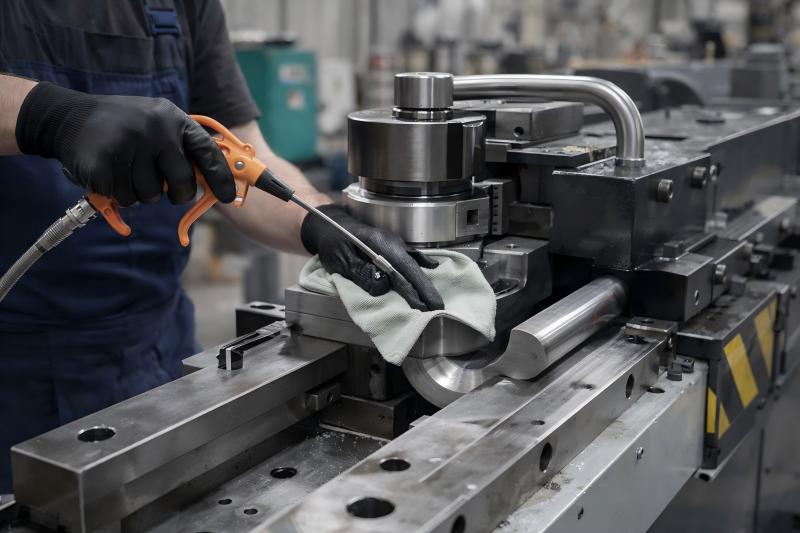
Clamping surfaces directly affect tube positioning. Dirt or debris trapped between dies and the tube can cause slippage or deformation. During weekly maintenance, I always advise removing dies when possible, cleaning contact surfaces, and checking for abnormal wear. Consistent application of Tube Bender Cleaning Tips here reduces scrap rates and improves part consistency.
Monthly and Periodic Tube Bender Cleaning Tips
Electrical Cabinet and Cooling System Cleaning

Over time, dust inevitably enters electrical cabinets, especially in environments with cutting or grinding operations nearby. Once a month, I recommend inspecting cabinet filters, cooling fans, and ventilation paths. Clean airflow prevents overheating and protects control systems. These Tube Bender Cleaning Tips are often overlooked but play a major role in machine reliability.
Cleaning Areas Linked to Mandrel and Boost Systems
Mandrel systems, boost cylinders, and hydraulic or servo-assisted mechanisms require periodic attention. Monthly cleaning helps prevent contamination from entering seals or causing pressure instability. From my experience, applying Tube Bender Cleaning Tips on a monthly schedule significantly reduces long-term maintenance costs for these critical systems.
Adjusting Tube Bender Cleaning Tips Based on Production Conditions
High-Dust vs. Clean Production Environments
Not all factories are the same. If your tube bender operates near laser cutting, sawing, or grinding stations, cleaning frequency should increase. In cleaner environments, intervals may be slightly extended, but daily visual checks should never be skipped. I always recommend adjusting Tube Bender Cleaning Tips based on real production conditions, not theoretical schedules.
Low-Utilization or Intermittent Production Lines
For machines that run intermittently, cleaning is still essential. Dust settles even when machines are idle. Before restarting production, applying basic Tube Bender Cleaning Tips ensures sensors, tooling, and moving parts are ready for accurate operation, preventing startup issues after downtime.
FAQ
How often should Tube Bender Cleaning Tips be applied in continuous production?
In continuous production, basic cleaning should be done daily, with deeper cleaning performed weekly. Monthly inspections help protect electrical and hydraulic systems. This layered approach keeps the machine stable and reliable.
Can poor cleaning really cause bending inaccuracies?
Yes. Contamination on guides, dies, or sensors directly affects positioning and feedback. In my experience, many accuracy issues disappear once proper Tube Bender Cleaning Tips are consistently applied.
Do Tube Bender Cleaning Tips reduce maintenance costs?
Absolutely. Regular cleaning reduces wear, prevents premature component failure, and lowers the frequency of emergency repairs. Over time, this translates into significant cost savings.
Are Tube Bender Cleaning Tips different for CNC and NC machines?
The principles are the same, but CNC machines rely more heavily on sensors and servo systems. This makes consistent cleaning even more critical for CNC tube benders.
Conclusion
Applying Tube Bender Cleaning Tips at the right frequency is not just about keeping machines looking good—it’s about protecting accuracy, reliability, and long-term performance. By combining daily cleaning, weekly precision maintenance, and periodic deep inspections, you can dramatically reduce downtime and extend the service life of your tube bender. If you want more detailed maintenance guidance or need support optimizing your cleaning schedule for specific production conditions, I recommend reaching out to our technical team or exploring related documentation on tube bender maintenance and operation.


