


Tube Bender Maintenance Setup is the key factor I always emphasize when customers ask how to maintain stable accuracy and extend machine life after installing a tube bending machine. If you’re looking for clear and practical steps to set up maintenance correctly after installation, you’re in the right place. In this article, I’ll share real-world recommendations based on hands-on factory experience, covering everything from initial inspections to preventive maintenance routines. A well-planned Tube Bender Maintenance Setup helps prevent early wear, unexpected downtime, and accuracy loss, ensuring a smooth startup and long-term production stability.
How to Perform a Proper Tube Bender Maintenance Setup
Step 1: Preparing the Machine and Work Area
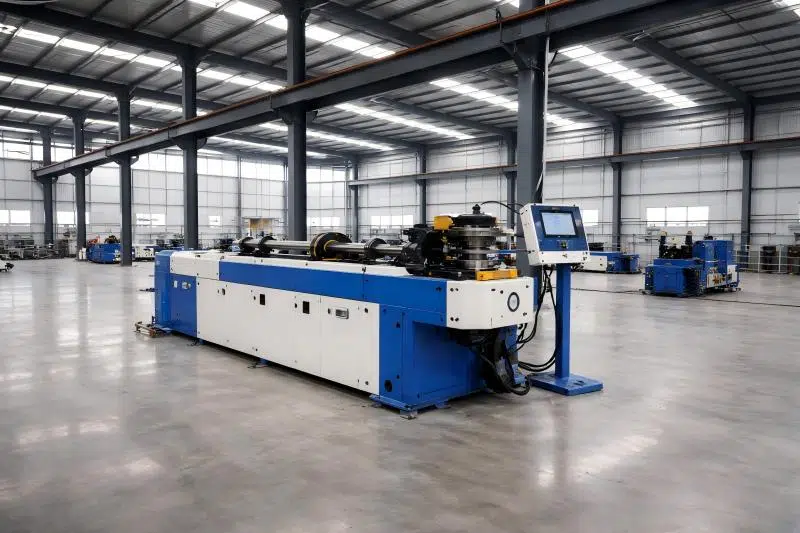
Before starting any Tube Bender Maintenance Setup, I always make sure the machine environment is correct. The floor must be level, clean, and strong enough to support the machine without vibration. Dust, metal chips, and oil residue around the machine should be removed to prevent contamination of moving parts.
I also check that there is sufficient space around the tube bender for maintenance access. Crowded layouts make routine inspections harder and often lead to skipped maintenance steps, which eventually affects bending quality.
Step 2: Inspecting Mechanical Components After Installation
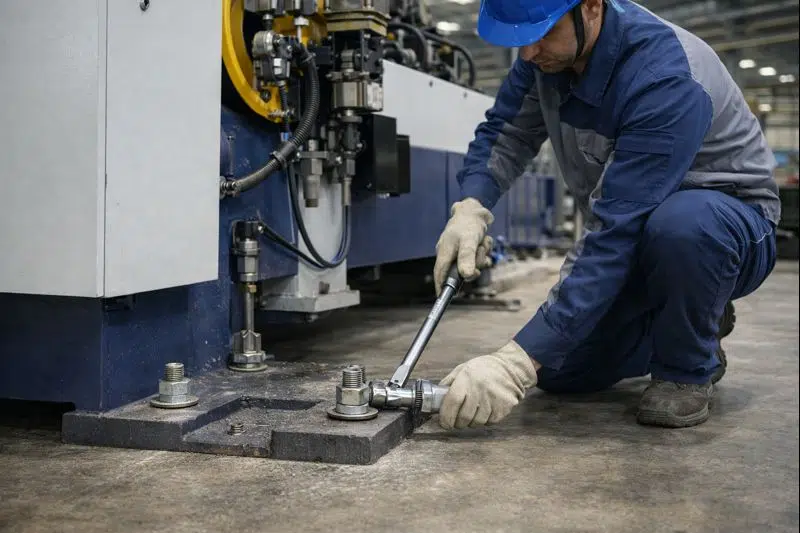
A critical part of Tube Bender Maintenance Setup is a thorough mechanical inspection. I start by checking all anchor bolts, frame fasteners, and mounting points to ensure they are tightened to specification. Even slight looseness can lead to vibration and inconsistent bending angles.
Next, I inspect guide rails, bending arms, clamps, and mandrel assemblies. Any abnormal resistance, misalignment, or visible damage should be corrected immediately. Addressing these issues early prevents accelerated wear during production.
Step 3: Establishing Lubrication Points and Schedules
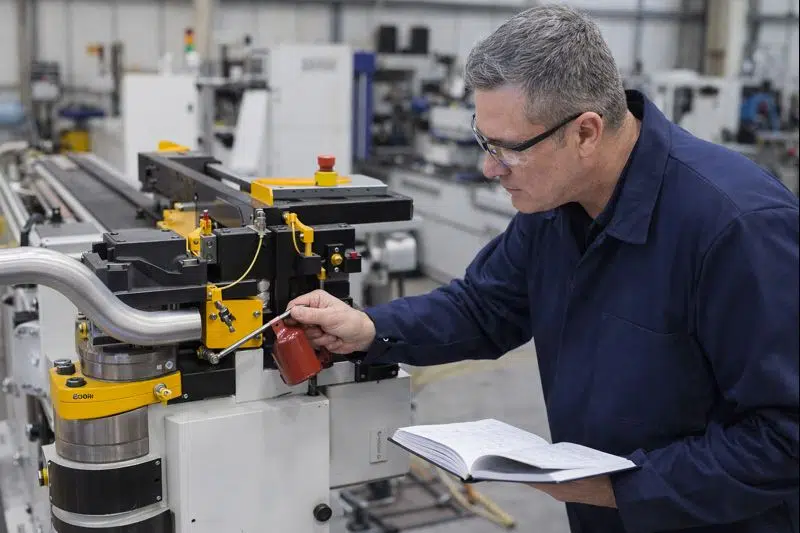
Proper lubrication is one of the most overlooked aspects of Tube Bender Maintenance Setup. I always identify all lubrication points, including guide rails, rotating shafts, bearings, and mandrel systems. Each point should use the correct lubricant recommended by the manufacturer.
At this stage, I create a clear lubrication schedule—daily, weekly, or monthly depending on usage. Consistent lubrication reduces friction, prevents overheating, and maintains bending accuracy over time.
Electrical and Hydraulic Checks in Tube Bender Maintenance Setup
Step 4: Verifying Electrical Connections and Control Systems
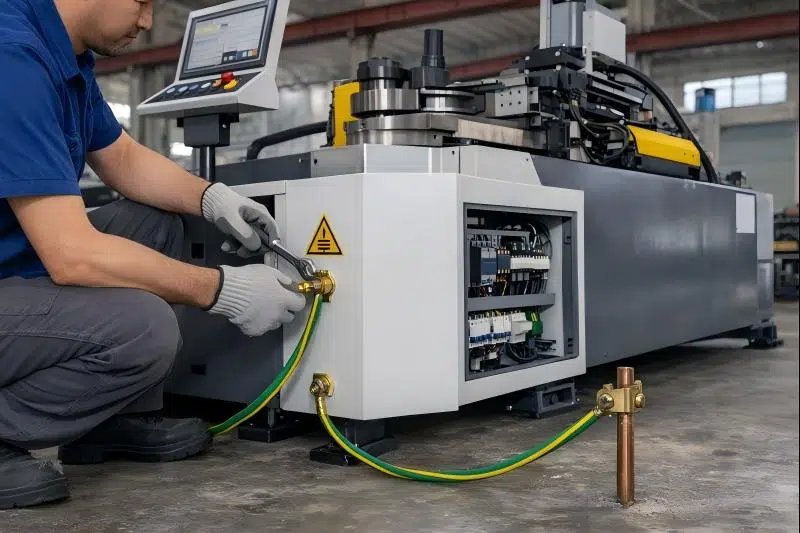
During Tube Bender Maintenance Setup, I carefully inspect all electrical connections. Loose terminals, poorly routed cables, or unstable grounding can cause sensor errors and unexpected shutdowns.
I also verify that the CNC control system parameters match the machine configuration. This includes axis limits, pressure settings, and safety interlocks. A quick test run helps confirm that all sensors and switches respond correctly.
Step 5: Checking Hydraulic System Stability
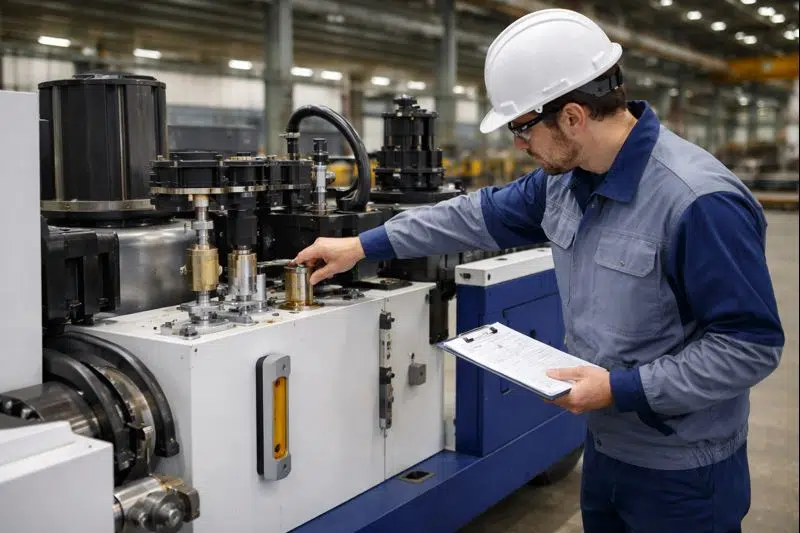
For hydraulic tube benders, hydraulic system inspection is essential. I check hydraulic oil levels, hose connections, and fittings for leaks. Air trapped in the hydraulic system should be removed to ensure smooth pressure control.
Stable hydraulic pressure is critical for repeatable bending results. As part of Tube Bender Maintenance Setup, I monitor pressure readings during initial operation and record them as baseline reference values for future maintenance.
Preventive Maintenance Planning After Tube Bender Setup
Step 6: Creating a Routine Inspection Checklist

A successful Tube Bender Maintenance Setup doesn’t end on day one. I always recommend creating a routine inspection checklist that operators can follow. This checklist typically includes visual inspections, bolt tightness checks, lubrication status, and basic accuracy verification.
Simple daily checks help catch small issues before they turn into serious failures. Over time, this habit significantly reduces unplanned downtime.
Step 7: Training Operators on Maintenance Awareness
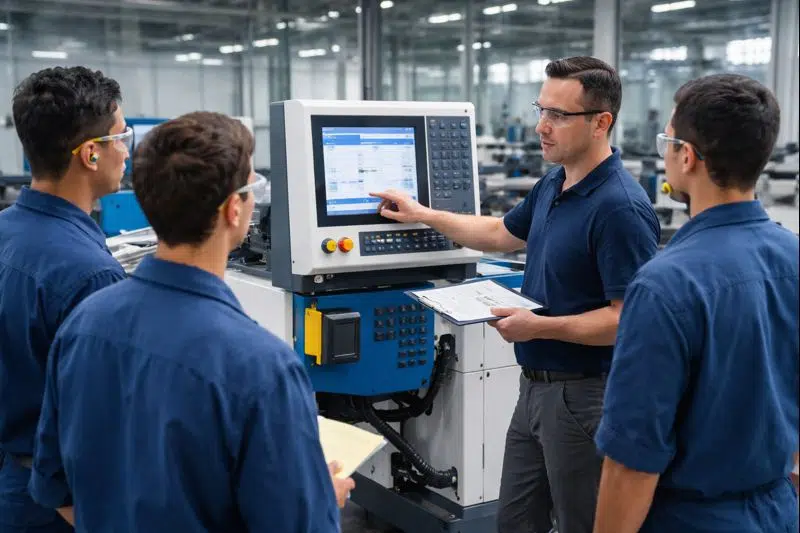
Even the best maintenance plan fails if operators don’t understand it. As part of Tube Bender Maintenance Setup, I make sure operators know what normal machine behavior looks and sounds like. Unusual noise, vibration, or resistance during bending should be reported immediately.
Basic training on cleaning, lubrication, and inspection empowers operators to participate in preventive maintenance rather than relying solely on technicians.
FAQs
Why is Tube Bender Maintenance Setup important after installation?
Tube Bender Maintenance Setup establishes correct baseline conditions for mechanical, electrical, and hydraulic systems. Without it, small installation issues can quickly turn into accuracy problems, excessive wear, or unexpected downtime.
How often should maintenance checks be performed after tube bender setup?
I recommend daily visual inspections, weekly lubrication and bolt checks, and more detailed monthly inspections. The exact frequency depends on production volume and bending complexity.
What is the most common mistake in Tube Bender Maintenance Setup?
Skipping bolt re-tightening and lubrication planning. Many issues I see later—such as vibration and inconsistent bend angles—can be traced back to these overlooked steps.
Can poor maintenance setup affect bending accuracy?
Absolutely. Improper Tube Bender Maintenance Setup often leads to guide rail wear, unstable clamping, and hydraulic fluctuations, all of which directly affect bending precision.
Conclusion
A well-executed Tube Bender Maintenance Setup is the foundation for long-term accuracy, machine reliability, and safe operation. By preparing the work area, inspecting mechanical and electrical systems, establishing lubrication routines, and planning preventive maintenance, you can significantly reduce downtime and operating costs. If you need more detailed guidance or professional support for your tube bending machine, feel free to contact our team or explore related documentation to keep your production running at its best.


