


If you’re dealing with accuracy problems in tube benders, you’re not alone. Inaccurate bends can lead to costly errors, wasted materials, and frustrated operators. But the good news is, many of these issues can be resolved with some simple adjustments and maintenance. In this article, I’ll walk you through common causes of accuracy problems in tube benders and provide step-by-step instructions on how to fix them. Whether you’re a seasoned professional or new to tube bending, this guide will help you improve your machine’s performance and ensure precise bends every time.
Common Causes of Accuracy Problems in Tube Benders
Misalignment of the Bending Tool
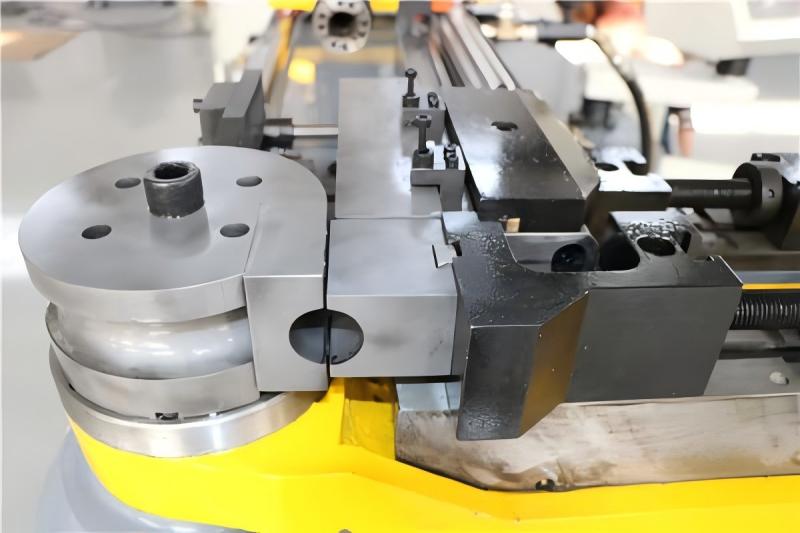
One of the most common causes of accuracy issues is the misalignment of the bending tool. If the tooling isn’t properly aligned, the tube may bend unevenly, resulting in inaccurate angles or poor-quality bends. This misalignment can be caused by worn-out tool components, improper setup, or machine vibration during operation.
Incorrect Machine Settings
Another factor that can impact accuracy is incorrect machine settings. Tube benders are highly sensitive machines, and small adjustments to the settings can lead to significant changes in bending accuracy. This includes improper setting of the angle, backgauge, and bend radius. Always double-check the machine’s settings before starting the bending process.
Inconsistent Material Properties

The material being bent can also affect accuracy. Differences in material thickness, hardness, or surface condition may cause variations in the bending process. If the material is inconsistent, it may result in inaccurate bends. Make sure to check the material specifications before performing any bends.
How to Fix Accuracy Problems in Tube Benders
Step 1: Align the Bending Tool Correctly
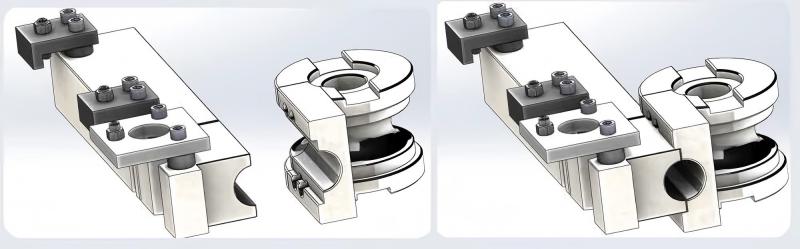
First, ensure that the bending tool is properly aligned. Misalignment is often a result of tool wear, improper setup, or a failure to secure the tool properly. Use precision alignment tools to ensure the bending die and the mandrel are in perfect alignment. If the machine’s tooling is worn or damaged, replace it with new components to restore optimal performance.
Step 2: Adjust Machine Settings
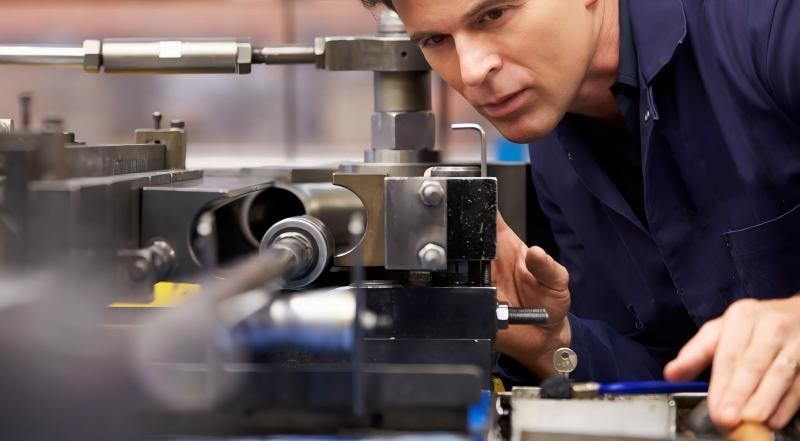
Next, check the machine settings. Verify that the angle, backgauge, and bend radius are set correctly. For precise bends, calibrate the machine according to the manufacturer’s instructions. Use a digital gauge to measure the bend angle and adjust the settings as needed to achieve the desired result.
Step 3: Test with Different Material Samples

To avoid material-related inaccuracies, test the bending process with different material samples. Ensure that the material thickness, hardness, and surface conditions are consistent. If the material is problematic, you may need to adjust the machine settings or consider switching to a different batch of material for better results.
Step 4: Perform Regular Maintenance
Regular maintenance is key to preventing accuracy issues in tube benders. Check for worn-out or damaged components, clean the machine regularly, and ensure that all moving parts are properly lubricated. Routine maintenance helps keep the machine running smoothly and reduces the risk of unexpected accuracy problems.
FAQ Section
How can I calibrate my tube bender for better accuracy?
To calibrate your tube bender accurately, first ensure the machine is level. Then, use a digital gauge to measure the bending die angle. Adjust the angle according to the manufacturer’s specifications until you achieve the desired precision.
What should I do if my tube bender is consistently producing inaccurate bends?
Check for misalignment in the bending tools, verify that your machine settings are correct, and test different material samples to ensure consistency. If issues persist, consider performing a full machine calibration and replacing any worn-out components.
How often should I maintain my tube bender to avoid accuracy problems?
Regular maintenance is essential. Perform routine inspections and maintenance every 500 hours of operation or as recommended by the manufacturer. This includes cleaning, lubrication, and checking for worn parts that may affect accuracy.
Conclusion
Accurate tube bending is essential for high-quality production, and fixing accuracy problems doesn’t have to be complicated. By following these simple steps, such as aligning the bending tool, adjusting machine settings, testing material consistency, and performing regular maintenance, you can significantly improve your tube bender’s performance. If you continue to experience issues, don’t hesitate to contact our support team for further assistance.


