


The causes of angle deviation in tube bending are critical to understand in order to achieve precise, high-quality results. Angle deviation is one of the most common challenges in tube bending, and it can significantly affect the performance and accuracy of your bending operations. In this article, we will delve into the key factors that contribute to angle deviation in tube bending, how to identify them, and the measures you can take to reduce their impact. Whether you’re an experienced professional or just getting started, this guide will offer valuable insights to enhance your tube bending processes.
Causes of Angle Deviation in Tube Bending
1. Machine Calibration Issues
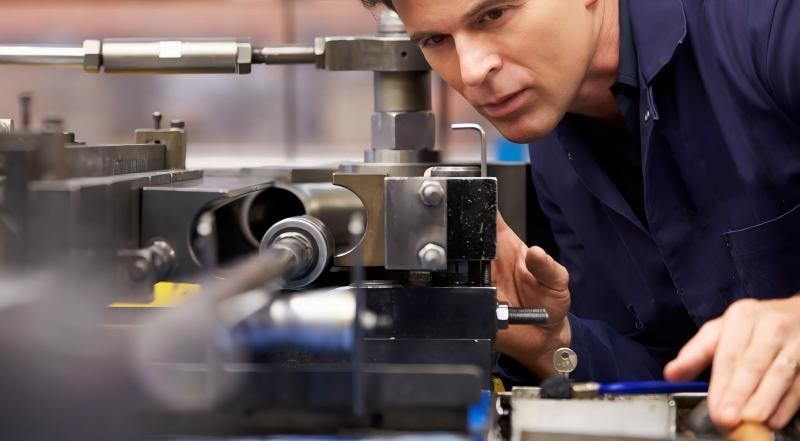
One of the primary reasons for angle deviation in tube bending is improper machine calibration. A bending machine needs to be accurately calibrated to ensure that the angles of the bends match the required specifications. Over time, mechanical parts, such as the tooling and backgauges, can shift or wear down, causing the machine’s bending mechanism to lose its precision.
To avoid this, regularly check and calibrate the machine. Use precision measuring tools like digital angle gauges to verify the machine’s settings, and make necessary adjustments to ensure consistent, accurate bends.
2. Inconsistent Material Properties

The type of material you are bending plays a significant role in how accurately it bends. Variations in material thickness, hardness, and alloy composition can lead to inconsistencies in the bending process, causing angle deviation. For example, a material with inconsistent thickness or surface hardness may deform unevenly during bending, resulting in an inaccurate angle.
To reduce angle deviation, ensure that the material is of consistent quality, and always perform material testing before beginning production. Additionally, adapt the bending parameters to suit the specific material being used.
3. Tooling and Die Wear
The wear and tear of bending tools and dies can also contribute to angle deviation. Over time, dies may become worn or damaged, affecting their ability to hold the tube properly during bending. This can lead to shifts in the bend angle, especially when dealing with complex shapes or tight tolerances.
Regularly inspect and replace worn tooling and dies to maintain accuracy. Using high-quality materials for tools can also help prolong their lifespan and ensure better precision.
4. Incorrect Bending Parameters
Using incorrect bending parameters, such as bending speed, pressure, or radius, can result in angle deviation. For instance, if the bending speed is too fast, the material might not deform uniformly, causing the bend angle to be off. Similarly, applying too much pressure or using the wrong bending radius can distort the tube and lead to inaccurate results.
It’s crucial to follow the manufacturer’s recommendations for bending parameters. Adjust the settings based on the material’s specifications and the required bend angle to ensure optimal results.
5. Operator Error
Human error is another common cause of angle deviation in tube bending. Even with the best equipment, operators who are inexperienced or not properly trained can make mistakes when setting up the machine, loading the material, or adjusting the settings. Misalignment of the tube or incorrect positioning during the bending process can lead to angle deviations.
Proper training for operators is essential to reduce human error. Ensure that all personnel are familiar with the machine settings, material handling, and the correct bending procedures.
FAQs
How can I prevent angle deviation in tube bending?
To prevent angle deviation, ensure that your bending machine is properly calibrated, use high-quality, consistent materials, maintain and replace tooling as needed, and follow the correct bending parameters. Regular training for operators is also essential.
How often should I calibrate my tube bending machine?
It is recommended to calibrate your machine at least once a month or after every significant production run. If you notice any deviations in the angles, it’s a good idea to calibrate the machine immediately.
Can angle deviation be fixed once the tube is bent?
In most cases, angle deviation is difficult to correct after the tube is bent. It’s best to prevent the issue by addressing the root causes, such as machine calibration, material consistency, and correct bending parameters.
Conclusion
Angle deviation in tube bending can be caused by several factors, including machine calibration issues, material inconsistencies, tooling wear, incorrect bending parameters, and operator error. By understanding these causes and taking proactive steps to address them, you can improve the accuracy and precision of your bending operations. Regular maintenance, proper calibration, and continuous operator training are essential for minimizing angle deviation and ensuring high-quality tube bending results. If you need further assistance or have specific questions, feel free to reach out to our team for expert support.


