


Asymmetrical tube bending issues can lead to significant production problems, including poor-quality bends, material waste, and the need for rework. If you’re experiencing these issues with your tube bender, you’re not alone—many operators face similar challenges. In this article, I’ll guide you through the causes of asymmetrical tube bending and provide effective solutions to fix these issues, ensuring more precise and consistent results.
Understanding Asymmetrical Tube Bending

Asymmetrical tube bending occurs when one side of the tube bends differently from the other, leading to uneven angles and misalignments. This can result from several factors, such as incorrect machine setup, tool wear, or improper tube clamping. Let’s break down the key issues and their solutions.
1. Improper Machine Calibration
The first and most common cause of asymmetrical tube bending is improper machine calibration. If the bender is not properly calibrated, it can cause uneven force distribution, leading to imprecise bends.
How to Fix:
- Step 1: Check the machine’s alignment and ensure it’s level. Uneven surfaces can affect the bending process.
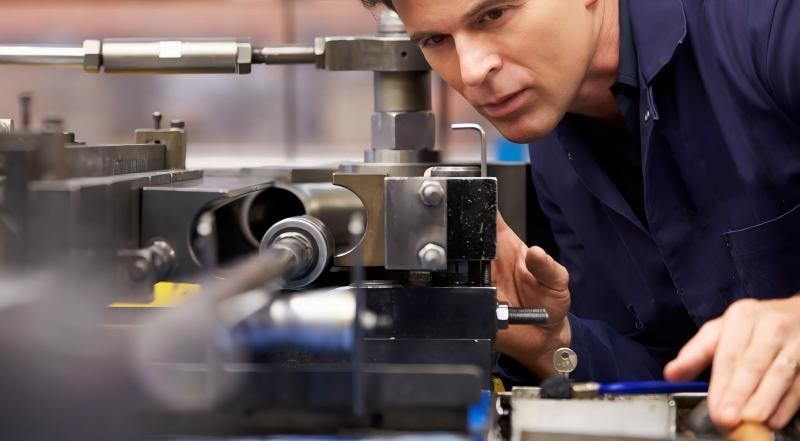
- Step 2: Use a digital angle gauge to verify the bending die’s angle, adjusting it according to the manufacturer’s instructions.
- Step 3: Regularly calibrate your machine to ensure consistent performance. For complex bends, recalibrate before each job.
2. Tool Wear and Tear
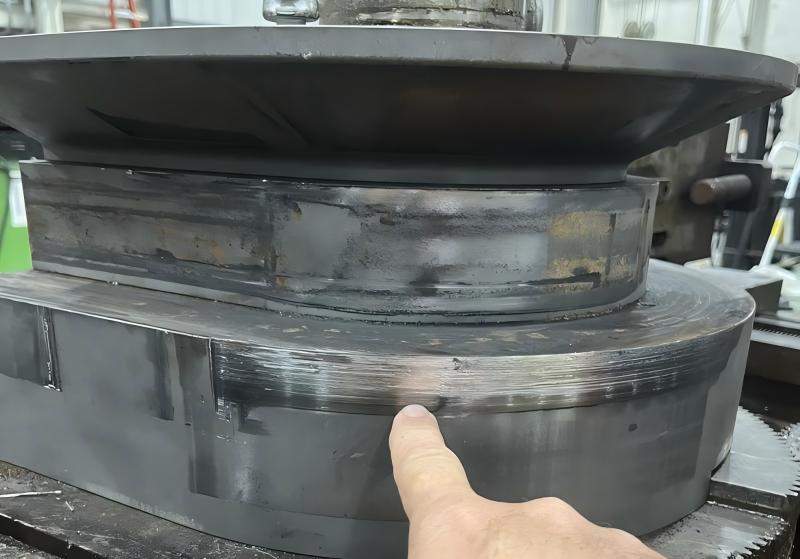
As tools wear down, they lose their ability to apply consistent pressure, leading to misalignment during the bending process.
How to Fix:
- Step 1: Inspect the bending die and other tools for signs of wear, such as dents, scratches, or uneven surfaces.
- Step 2: Replace worn-out tools to ensure that pressure is evenly applied across the tube.
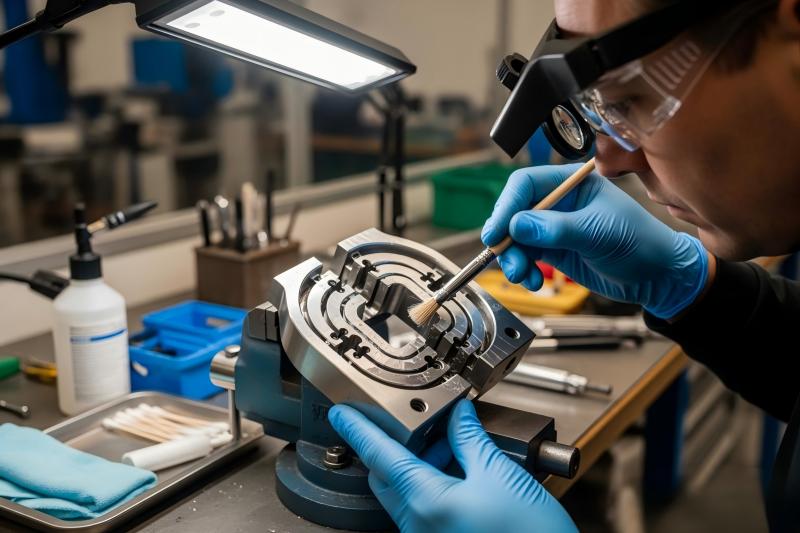
- Step 3: Regularly maintain your tools by cleaning them and ensuring they remain in good condition for precise bending.
3. Incorrect Tube Clamping
If the tube is not properly clamped during the bending process, it may shift or rotate, resulting in an asymmetrical bend.
How to Fix:
- Step 1: Double-check the clamping system to ensure the tube is securely held in place.
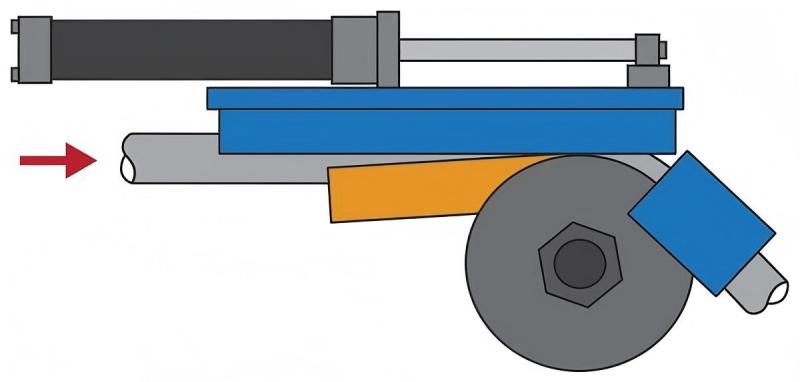
- Step 2: Adjust the clamping pressure based on the tube material and thickness.
- Step 3: Use adjustable clamps to maintain even pressure across the tube during the bending process.
4. Inconsistent Backgauge Settings
The backgauge is responsible for positioning the tube accurately during bending. If it’s not set correctly, the tube may be out of alignment, causing asymmetry.
How to Fix:
- Step 1: Recheck the backgauge’s positioning to ensure it’s properly aligned with the tube’s intended bend.
- Step 2: Adjust the backgauge settings to account for the tube’s length and bend radius.
- Step 3: Perform a test bend to ensure that the tube is aligned properly before running the full production.
FAQ
How can I ensure symmetrical tube bending every time?
Ensuring symmetrical bending requires proper calibration, tool maintenance, and accurate clamping. Regularly check and adjust these elements before each bending job to guarantee consistent results.
Why does my tube bender produce different angles on each side of the tube?
This typically occurs due to uneven pressure during bending, incorrect alignment, or tool wear. Make sure your machine is calibrated, and inspect your tools regularly to prevent this issue.
How often should I calibrate my tube bender?
Calibration should be performed every time you set up for a new bending job, and periodically for routine maintenance to ensure consistent and accurate bends.
Conclusion
Asymmetrical tube bending issues can be frustrating, but with the right troubleshooting steps, you can easily correct them and improve your bending accuracy. By ensuring proper machine calibration, tool maintenance, tube clamping, and backgauge adjustments, you can achieve precise, symmetrical bends with every operation. If you continue to experience issues or need further assistance, don’t hesitate to contact our team for expert guidance and support.


