


If you’re dealing with a Constant Alarm Light on Tube Benders, you’re likely looking for a clear and practical way to diagnose the issue and keep your machine running smoothly. In this guide, I’ll walk you through the most common causes behind a constantly illuminated alarm light and show you the exact steps to fix it. Whether the problem comes from sensors, hydraulic pressure, electrical components, or simple operational mistakes, this article will help you understand what’s happening and how to get your tube bender back to normal with minimal downtime.
Understanding Why the Constant Alarm Light Appears on Tube Benders
Common Causes of Constant Alarm Light Issues
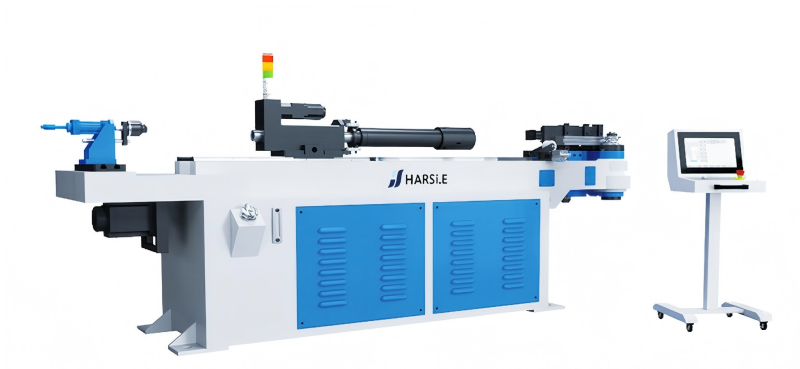
When the alarm light stays on continuously, it usually means the machine has detected a fault that prevents safe operation. Below are the most frequent triggers and how they impact performance.
Sensor Malfunctions in Tube Bender Safety Systems
Tube benders rely on multiple sensors—including limit switches, proximity sensors, and pressure sensors—to ensure safe bending. A dirty, misaligned, or damaged sensor may trigger the constant alarm light even when the machine is functioning normally.
Hydraulic System Pressure Errors During Bending
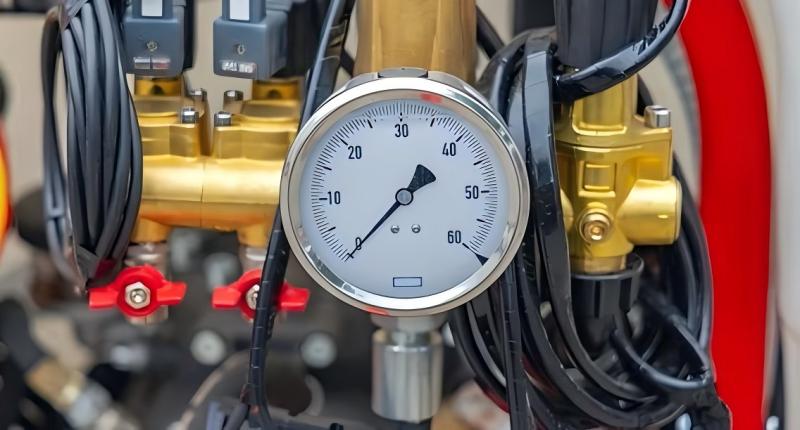
Hydraulic tube benders often display alarm lights when system pressure is too low or unstable. Issues like leaking seals, blocked valves, or incorrect oil levels can cause sudden pressure fluctuations that lead to persistent errors.
Electrical Faults in Control Panel or Wiring
A short circuit, loose wiring, aging relay, or unstable power supply can cause the alarm indicator to stay lit. Electrical issues may appear intermittently at first and gradually become constant.
Incorrect Machine Startup or Operation Procedures
The alarm may remain on simply because the operator forgot a required startup step, such as resetting the emergency stop, returning axes to the home position, or unlocking safety guards.
How to Troubleshoot Constant Alarm Light on Tube Benders Step by Step
Step 1 — Check All Safety Sensors and Switches
The first thing I do is inspect every sensor that contributes to the safety chain.
Verify Proximity and Limit Sensor Alignment
Sensors often shift from vibrations or repeated movement. I check alignment and ensure no debris is blocking detection.
Clean or Replace Faulty Sensors
Dust, oil, and metal shavings can interfere with sensor signals. Cleaning often fixes the issue. If the sensor LED does not respond correctly, I replace it immediately.
Inspect Safety Guards and Interlocks

Safety doors, covers, and emergency fences include built-in switches. If any of them fail to close or latch properly, the alarm light stays on. I ensure each guard is fully engaged.
Step 2 — Diagnose Hydraulic Pressure Problems
If the machine uses hydraulic power, pressure issues are one of the most common causes of continuous alarms.
Check the Oil Level and Oil Condition
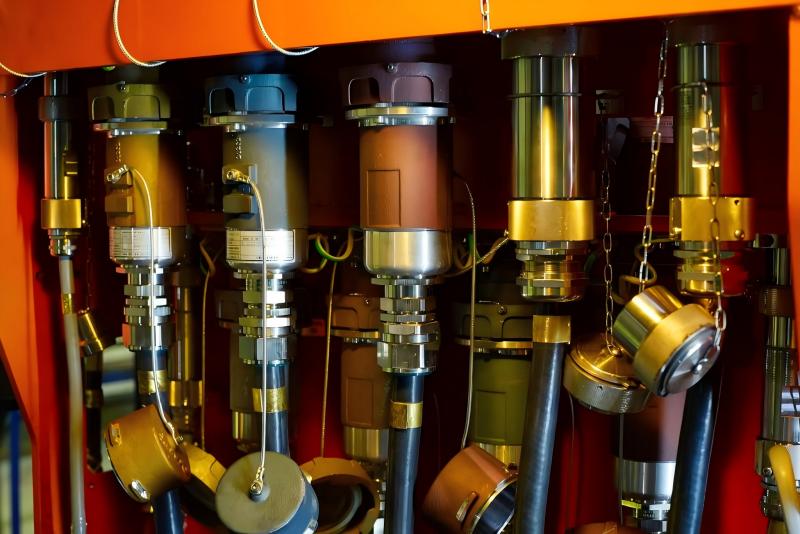
Low or degraded hydraulic oil leads to unstable pressure. I inspect the level and top up or replace the oil if necessary.
Inspect for Leaks or Damaged Seals
Any visible leakage around cylinders, hoses, or fittings is a clear sign that pressure is dropping. Repairing or replacing damaged components typically resolves the alarm.
Test the Pressure Valve and Pump Function
A blocked valve or failing pump can cause low pressure warnings. I confirm whether the relief valve is set correctly and whether the pump runs smoothly without noise or vibration.
Step 3 — Review Electrical and Control System Issues
Verify All Cable Connections
Loose connectors in the control cabinet or wiring harness can interrupt signals. I gently press each connector to ensure it is fully locked in.
Check for Fault Codes on the Controller
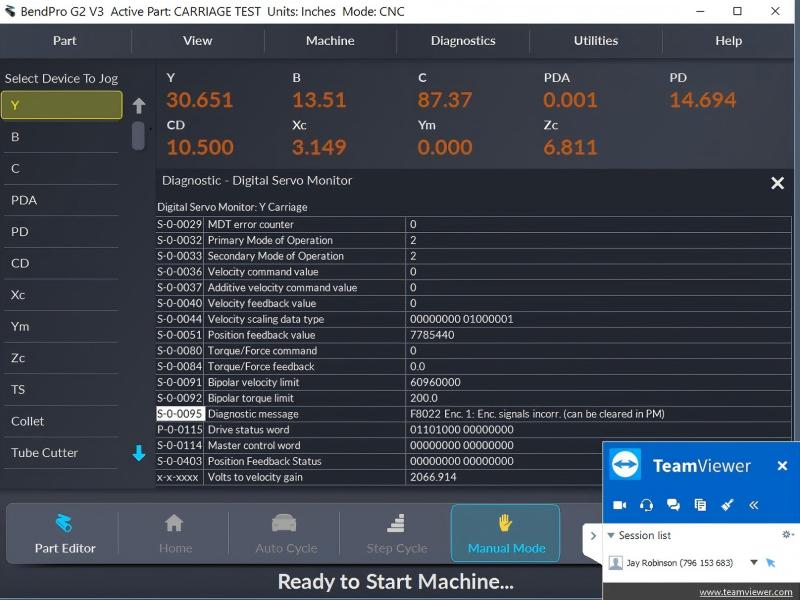
Many tube benders display detailed error codes. By viewing the active alarm, I can quickly determine whether the issue is related to power, hardware, or programming.
Stabilize Power Supply
Voltage instability affects sensors and control systems. Using a voltage stabilizer or checking the factory’s power grid often prevents repeated alarms.
Step 4 — Confirm Correct Operating Procedures
Reset the Emergency Stop Button
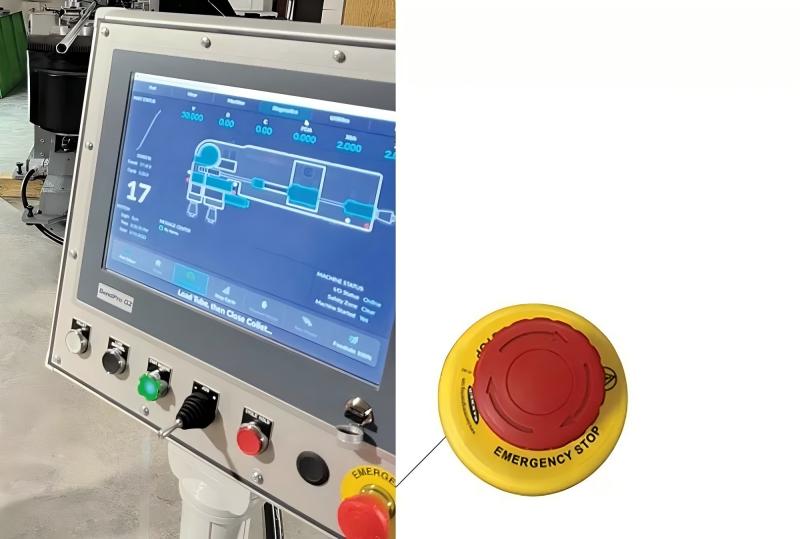
After resolving any fault, I rotate or lift the emergency stop to reset the safety circuit.
Return Axes to Home Position
Tube benders require axes to be homed after powering on. If I skip this step, the alarm light may stay active.
Check for Program or Data Errors
Sometimes the alarm indicates that the bending program contains invalid parameters. I review tube diameter, material settings, and bending angles.
FAQs
Why does the Constant Alarm Light on Tube Benders stay on even after I press reset?
This usually means the original fault still exists. Check all safety switches, hydraulic pressure levels, and wiring connections to ensure the machine is in a safe state.
Can hydraulic oil problems cause a constant alarm light?
Yes. Low oil level, contaminated oil, or failing hydraulic components often trigger persistent alarms because the system cannot maintain stable pressure.
What should I check first when the alarm light suddenly appears during bending?
Start with sensors and safety guards. Most sudden alarms come from a misaligned sensor, open guard, or tripped emergency switch.
Is it safe to operate the machine when the alarm light is constantly on?
No. If the alarm is illuminated, the tube bender is in a fault state. Always diagnose and fix the problem before restarting the machine.
Conclusion
Fixing a Constant Alarm Light on Tube Benders becomes much easier once you understand whether the issue comes from sensors, hydraulics, electrical components, or simple operational errors. By following the steps in this guide—inspecting sensors, checking hydraulic pressure, reviewing electrical connections, and confirming correct startup procedures—you can quickly restore normal operation and avoid unnecessary downtime.
If you need additional assistance, custom troubleshooting, or spare parts for your tube bender, feel free to contact the HARSLE team. We’re always here to help you keep your equipment running efficiently and safely.


