


Cooling System Problems in Tube Benders are one of the major factors that affect consistent performance and production quality in metal fabrication. If you notice overheating, coolant leaking, or unstable bending accuracy, there is a strong chance your machine’s cooling system is not functioning properly. In this article, I’ll walk you through the most common causes of cooling failures, how to identify the root of the problem, and the practical methods to resolve them. By understanding these challenges and applying the correct solutions, you can reduce unexpected downtime, protect key components, and maintain stable bending results throughout your operations.
Understanding the Primary Causes of Cooling System Problems in Tube Benders
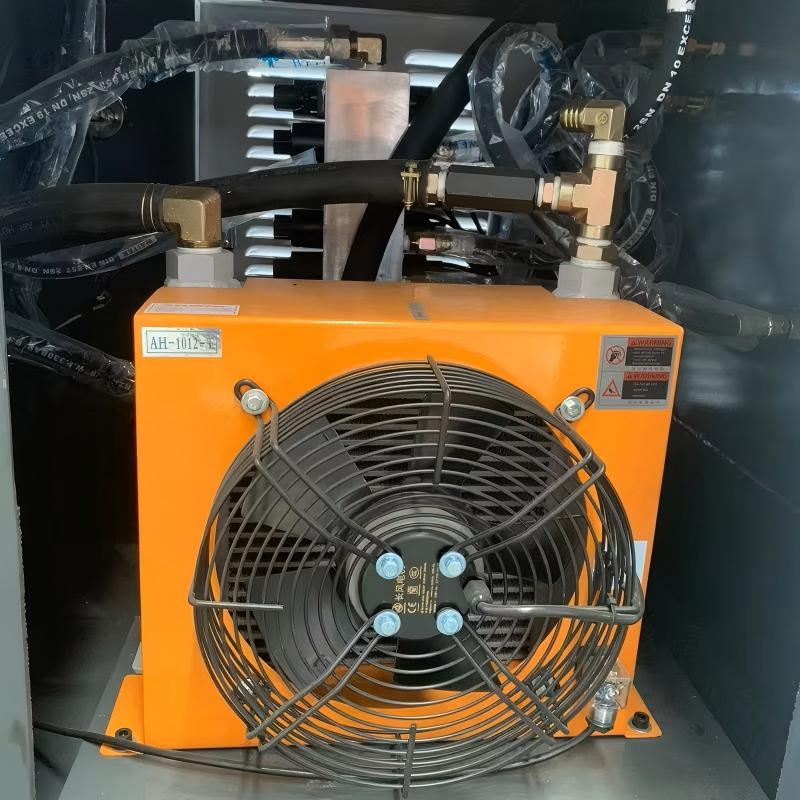
Insufficient Coolant Due to Leakage or Evaporation
One of the most common cooling issues is low coolant levels, often caused by leaking tanks, worn hoses, or evaporation during long production cycles. I always start by inspecting the tank and surrounding floor for moisture, dripping marks, or coolant residue. Tightening fittings and replacing cracked hoses typically solves the problem. Keeping coolant at the recommended level prevents overheating and protects seals from premature damage.
A Clogged Cooling Filter Affecting Circulation
A blocked filter restricts coolant flow, leading to higher operating temperatures and reduced system efficiency. Removing the filter and cleaning it with a neutral solution usually restores proper circulation. In dusty or metal chip–heavy environments, more frequent cleaning is necessary. A clean filter keeps the coolant flowing and prevents thermal stress.
Malfunctioning Cooling Pump Reducing Coolant Flow
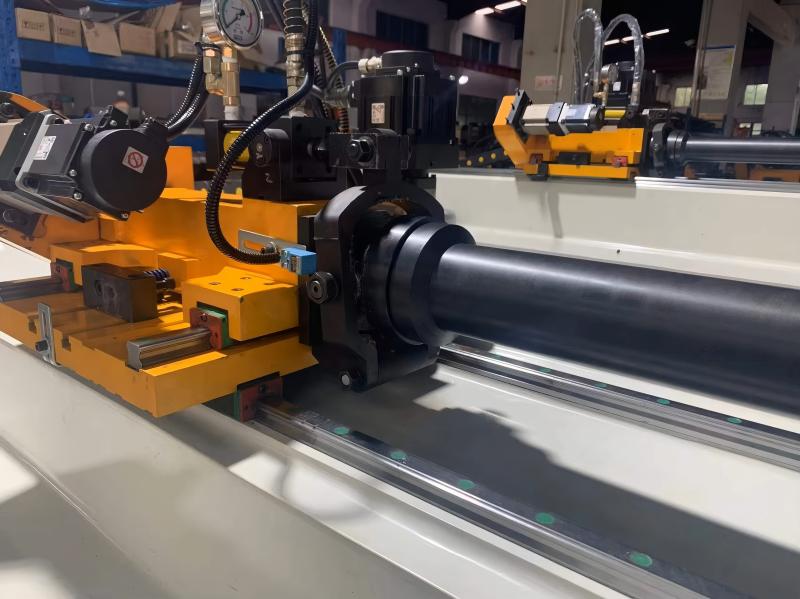
If the cooling pump is worn or electrically unstable, the system cannot circulate coolant properly. I check electrical connections, listen for unusual sounds, and monitor pressure. If the output is inconsistent or weak, repairing or replacing the pump is the best solution. A reliable pump ensures stable cooling and machine performance.
Improper Coolant Type or Contamination
Using mixed or incorrect coolant types can lead to corrosion and residue buildup inside the system. I always recommend following the manufacturer’s guidelines. If contamination occurs, flushing the system removes buildup and restores proper heat transfer.
Step-by-Step Guide: How to Fix Cooling System Problems in Tube Benders
Step 1: Identify Visible Leaks and Repair Connections
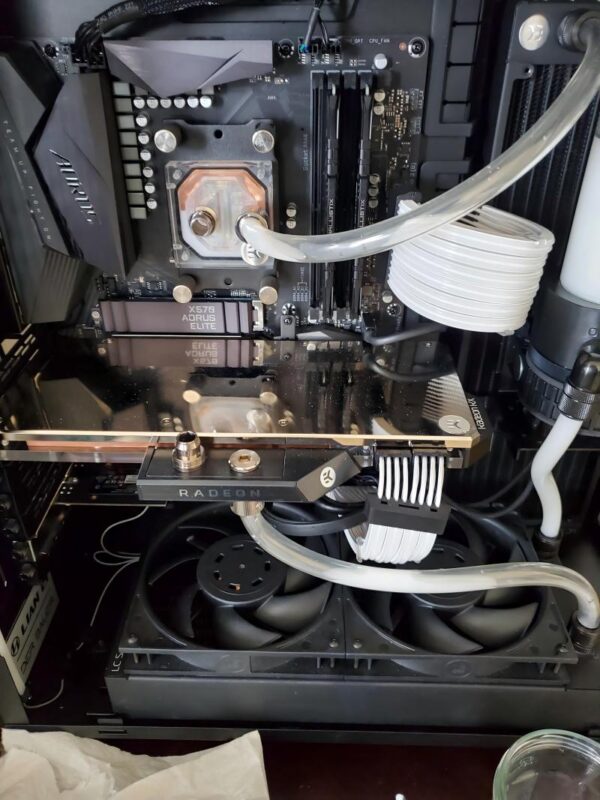
Inspect the coolant reservoir, pipe connectors, and hose clamps. Any signs of moisture indicate a leak. Replace worn seals and secure loose fittings before restarting the machine.
Step 2: Clean or Replace the Cooling System Filter
Remove the filter and rinse it with an approved cleaning solution. If the filter is damaged or heavily blocked, replace it. A clean filter ensures smooth coolant circulation.
Step 3: Test the Cooling Pump for Proper Output
Activate the pump and observe pressure and sound. If performance fluctuates, the pump may require repair or replacement. Consistent pressure is the key to efficient cooling.
Step 4: Flush the Cooling Lines to Remove Residue
Residue can restrict coolant flow and reduce heat removal. Flushing the system using manufacturer-approved cleaning fluids helps restore flow and internal cleanliness.
Step 5: Refill the System with Correct Coolant

Use only recommended coolant grades and avoid mixing different types. Proper coolant prevents corrosion and improves cooling efficiency.
Preventing Future Cooling System Problems in Tube Benders
Perform Regular Coolant Level Checks
Checking coolant levels weekly prevents overheating and unexpected shutdowns. Early detection preserves system integrity.

Keep the Area Clean to Reduce Contamination
Debris near the machine can enter the cooling system and cause blockages. Keeping the workspace clean significantly reduces long-term system issues.
Schedule Preventive Maintenance for Pump and Filter
Replacing filters on schedule and inspecting pumps reduce repair expenses and extend the life of major components.
Use Only Manufacturer-Approved Coolant
The wrong coolant can damage internal parts. Stick to the recommended formula and avoid mixing old and new coolant.
FAQ
What is the most common reason for Cooling System Problems in Tube Benders?
The most common cause is low coolant due to leakage or evaporation. Regular inspection prevents this issue.
How often should coolant be replaced?
Typically every 6–12 months depending on machine usage and temperature conditions.
Can I continue operating the machine if coolant levels are low?
No. Running with low coolant can cause overheating, pump damage, and accuracy problems.
Does the type of coolant matter?
Yes. Using the wrong coolant can result in corrosion, residue buildup, and reduced cooling efficiency.
Conclusion
Fixing Cooling System Problems in Tube Benders relies on consistent inspection, proper coolant selection, and routine maintenance. By following the steps outlined—checking for leaks, cleaning filters, testing pump performance, flushing the system, and refilling with approved coolant—you will improve machine reliability and extend its working life. Regular preventive maintenance not only reduces downtime but also improves bending accuracy and production efficiency. If you need more support, replacement parts, or customized solutions, feel free to contact our team for expert assistance.


