


Eco-Friendly Practices in Tube Bender Maintenance are often the first thing I recommend when customers ask how to reduce energy use, extend machine lifespan, and meet sustainability targets at the same time. If you want practical, field-proven ways to make your tube bending operations greener without sacrificing accuracy or productivity, this is the right starting point. In this article, I walk through how eco-friendly maintenance strategies can be applied step by step, explain their importance in everyday production, and show how they create real improvements in both machine performance and operating costs. Whether you run a single CNC tube bender or manage a complete production line, adopting eco-friendly maintenance is both realistic and achievable.
Why Eco-Friendly Practices Matter in Tube Bender Maintenance
Eco-friendly maintenance is not just about environmental responsibility; it is also about efficiency and long-term reliability. By focusing on Eco-Friendly Practices in Tube Bender Maintenance, I help customers reduce unnecessary energy loss, limit material waste, and avoid premature component wear. Over time, these practices translate into lower operating costs, fewer breakdowns, and a more stable production process. Sustainable maintenance is especially important for modern CNC tube benders, where precision systems rely heavily on clean, stable, and well-managed operating conditions.
How to Reduce Energy Consumption During Tube Bender Maintenance
Optimizing Power Usage in CNC Tube Benders

One of the first steps I recommend is reviewing how the machine consumes power during idle and operation periods. Many CNC tube benders continue drawing unnecessary energy if auxiliary systems remain active. Turning off unused subsystems, optimizing standby modes, and scheduling maintenance during planned downtime all support eco tube bender maintenance goals. These adjustments reduce energy waste without impacting productivity.
Maintaining Electrical Systems for Energy Efficiency
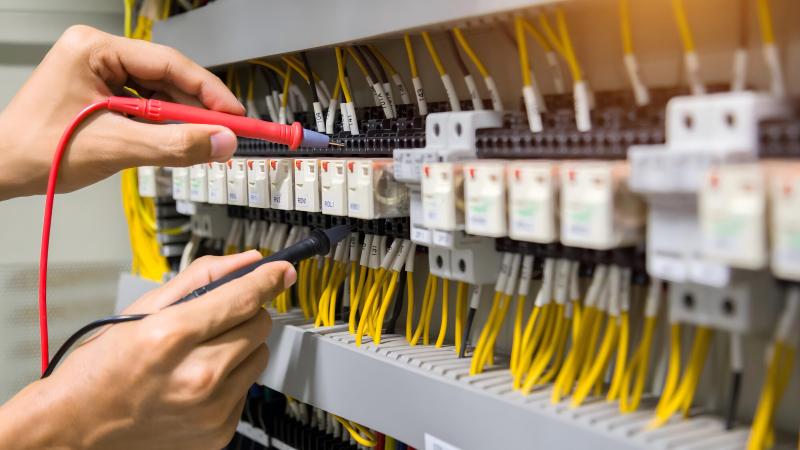
Clean electrical cabinets and well-maintained connections improve energy efficiency. Dust buildup increases resistance and heat, which leads to higher power consumption. As part of Eco-Friendly Practices in Tube Bender Maintenance, I always emphasize regular inspection of electrical components, cooling fans, and control cabinets to ensure stable and efficient operation.
Eco-Friendly Lubrication and Hydraulic System Care
Using Environmentally Friendly Lubricants
Lubrication is essential, but over-lubrication or improper oil selection creates waste and contamination. Choosing biodegradable or low-toxicity lubricants supports eco-friendly maintenance while still protecting guide rails, bending arms, and rotating components. I always recommend following manufacturer-approved lubrication schedules to avoid excess oil use.
Preventing Hydraulic Oil Leaks and Waste
Hydraulic leaks are one of the most common sources of environmental impact in tube bender maintenance. Regular inspection of hoses, seals, and fittings helps prevent oil loss and contamination. By maintaining proper hydraulic pressure and replacing worn seals early, Eco-Friendly Practices in Tube Bender Maintenance significantly reduce fluid waste and improve system efficiency.

Waste Reduction Through Preventive Tube Bender Maintenance
Extending Tooling and Component Lifespan
Preventive maintenance plays a key role in reducing waste. Proper alignment, timely calibration, and routine inspection prevent premature failure of bending dies, clamps, and mandrels. When tools last longer, fewer replacements are required, which directly supports eco tube bender maintenance strategies and lowers overall material consumption.

Minimizing Scrap Through Precision Maintenance
Inaccurate machines generate scrap, which is both costly and environmentally unfriendly. Regular calibration of servo axes, sensors, and bending angles ensures consistent accuracy. I’ve seen that applying Eco-Friendly Practices in Tube Bender Maintenance can dramatically reduce rejected parts by keeping machines within precise operating tolerances.
Cleaning and Housekeeping for Sustainable Operation
Dry Cleaning and Low-Water Maintenance Methods
Traditional cleaning methods often waste water and chemicals. Whenever possible, I recommend dry cleaning techniques, such as vacuum systems and lint-free wipes, especially around sensors and guides. These methods support sustainable tube bender maintenance while protecting sensitive components.
Proper Disposal of Consumables and Fluids
Eco-friendly maintenance also includes responsible disposal. Used oils, filters, and cleaning materials should be collected and disposed of according to local environmental regulations. Proper waste handling is an essential part of Eco-Friendly Practices in Tube Bender Maintenance and helps companies stay compliant while reducing environmental impact.
Training Operators to Support Eco-Friendly Tube Bender Maintenance
Building Eco-Awareness Into Daily Operation
Even the best maintenance plan fails without trained operators. I always advise incorporating eco-friendly awareness into daily operating procedures. Simple habits such as shutting down machines correctly, reporting leaks early, and following lubrication schedules contribute significantly to sustainable maintenance.

Standardizing Maintenance Procedures
Clear maintenance checklists and standard operating procedures help ensure consistency. When eco-friendly steps are part of routine inspections, Eco-Friendly Practices in Tube Bender Maintenance become a natural part of daily work rather than an extra task.
FAQ
How do Eco-Friendly Practices in Tube Bender Maintenance reduce operating costs?
By lowering energy consumption, reducing oil waste, and extending component life, eco-friendly maintenance decreases downtime and replacement costs, leading to long-term savings.
Are eco-friendly lubricants safe for CNC tube benders?
Yes. When approved by the manufacturer, environmentally friendly lubricants provide reliable protection while reducing environmental impact.
How often should I inspect my tube bender for eco-friendly maintenance?
Routine inspections should be performed daily or weekly, with more detailed preventive maintenance scheduled based on operating hours and machine workload.
Can eco-friendly maintenance improve bending accuracy?
Absolutely. Clean systems, proper lubrication, and regular calibration reduce wear and ensure consistent bending precision.
Conclusion
Eco-Friendly Practices in Tube Bender Maintenance are not complicated or costly to implement, but they deliver real benefits. By focusing on energy efficiency, proper lubrication, preventive maintenance, and operator awareness, you can reduce environmental impact while improving machine reliability and accuracy. These practices help extend the lifespan of your tube bender and support more sustainable production. If you want tailored maintenance guidance or need support optimizing your tube bending equipment, feel free to contact the HARSLE team or explore our related tube bender documentation for deeper technical insights.


