


Feeding problems in tube benders are common issues that can cause significant disruptions to your production process. Whether you’re experiencing difficulty with inconsistent tube feeding, jams, or misalignment, it’s essential to address these issues promptly to maintain smooth operations. In this guide, I’ll walk you through the main causes of feeding problems in tube benders and provide step-by-step solutions that can help restore optimal performance.
Common Causes of Feeding Problems in Tube Benders
Misalignment of the Feeding Mechanism
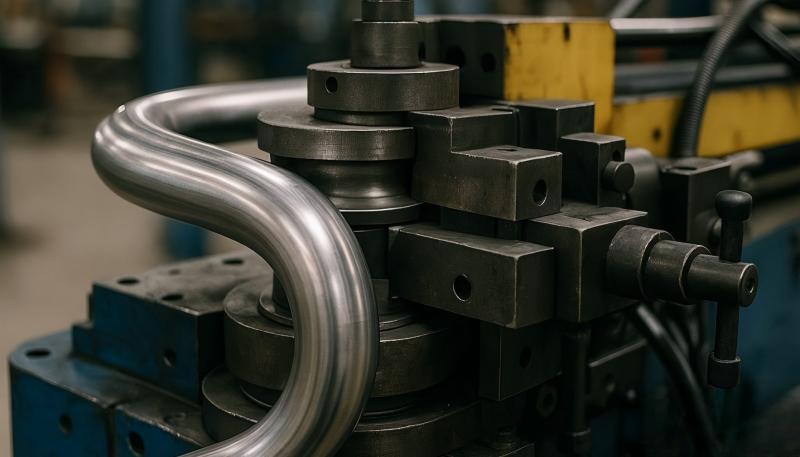
Misalignment in the feeding mechanism is one of the most common causes of feeding problems in tube benders. This issue can occur when the tube isn’t properly aligned with the feed rollers or the bending die, causing jams or uneven bending.
How to Fix It:
- First, check that the tube is positioned correctly within the feed rollers.
- If necessary, adjust the alignment of the feeding mechanism to ensure the tube is properly centered before the bending process begins.
- Regularly inspect the feed rollers for wear or damage that could lead to misalignment.
Inconsistent Tube Size or Shape
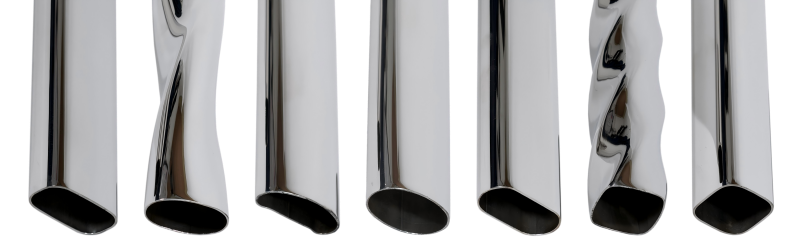
Another frequent cause of feeding problems is the inconsistency in the tube’s size or shape. If the tube has uneven dimensions or is out of round, it may not feed smoothly through the bender.
How to Fix It:
- Inspect the incoming tubes for any irregularities in size or shape.
- If you notice any inconsistencies, switch to tubes that meet the required specifications for your tube bender.
- Consider upgrading your tube feed system to one that can handle a wider range of tube sizes and shapes.
Insufficient Lubrication or Dirty Feed Rollers
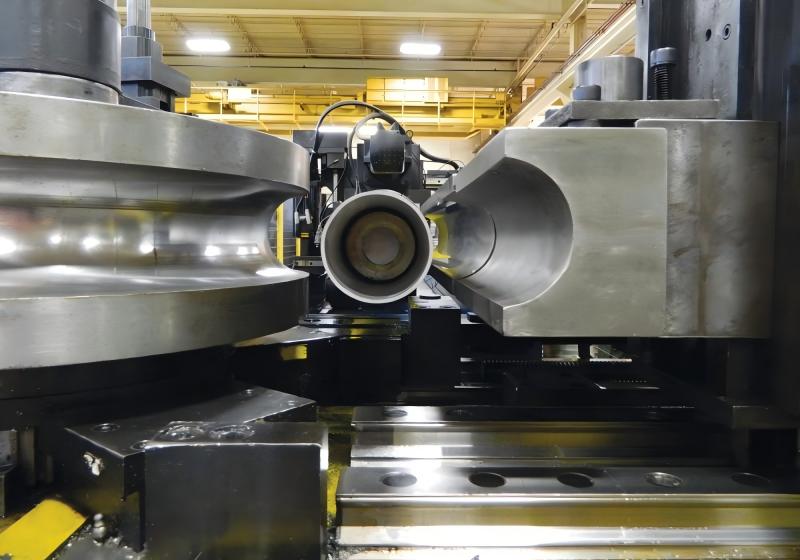
Feed rollers that are not properly lubricated or are clogged with debris can cause friction, leading to feeding problems. Without adequate lubrication, the rollers may not grip the tube properly, resulting in slippage or stalling during the feeding process.
How to Fix It:
- Clean the feed rollers regularly to remove any debris or buildup.
- Apply appropriate lubrication to the rollers to reduce friction and ensure smooth feeding.
- Ensure that the tube bender’s lubrication system is functioning correctly, and check for oil leaks that might cause dryness in critical areas.
Poor Tube Gripping or Feed Pressure
If the gripping force or feed pressure is not adequately set, the tube may not be pulled smoothly into the machine, resulting in feeding issues. This can be caused by improperly adjusted feed pressure settings or worn-out gripping components.
How to Fix It:
- Adjust the feed pressure to ensure the rollers grip the tube firmly without causing damage or slippage.
- Check the condition of the feed grips and replace them if they show signs of wear.

- If your machine uses pneumatic or hydraulic pressure, ensure that these systems are working at optimal levels.
Incorrect Tube Bender Setup
Sometimes, feeding problems are a result of incorrect machine setup, including improper die or tool positioning. If the bender is not correctly configured for the type of tube being processed, it can cause feeding delays or misfeeds.
How to Fix It:
- Double-check the setup of the tube bender, including the positioning of the dies and tools.
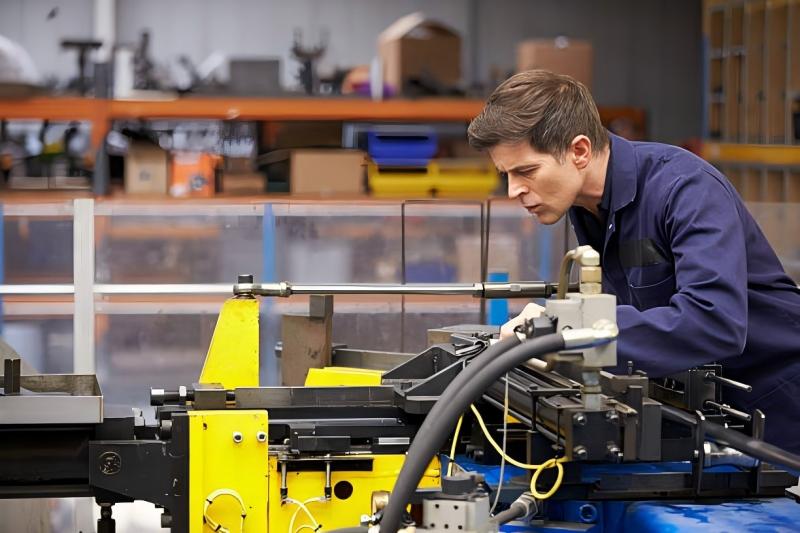
- Ensure that the setup is aligned with the specifications for the tube you’re working with, including tube diameter, wall thickness, and material type.
- Regularly verify that the machine is calibrated correctly for the specific job at hand.
Preventative Maintenance Tips for Avoiding Feeding Problems
Regular Machine Inspections
Perform routine inspections of your tube bender to identify and address minor issues before they become major problems. Checking the alignment, lubrication levels, and condition of feed rollers can help prevent feeding problems from occurring.
Cleanliness is Key
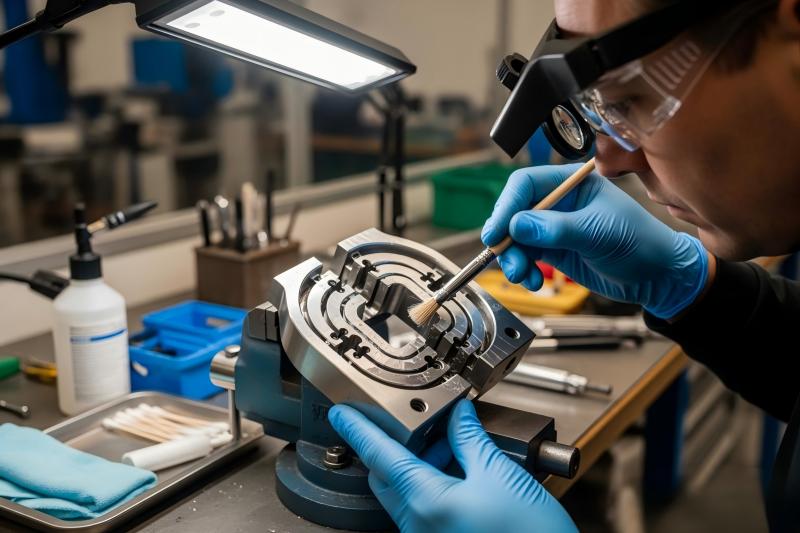
Keeping the tube bender clean is vital for smooth operation. A buildup of dirt or debris on the feed rollers or other components can cause feeding issues. Make cleaning part of your regular maintenance routine.
Calibration and Adjustment
Regularly calibrating your tube bender and adjusting its settings can ensure consistent performance. Accurate tube alignment and feed pressure settings will prevent feeding problems from developing.
FAQ Section
How can I prevent tube feeding problems in the future?
To prevent feeding problems, ensure that the machine is properly calibrated, the feed rollers are clean and well-lubricated, and the tubes are correctly aligned before bending. Regular maintenance is key.
What are the most common feeding issues in tube benders?
The most common feeding issues include misalignment of the feeding mechanism, inconsistent tube sizes, dirty or worn feed rollers, and incorrect machine setup.
How often should I lubricate the feed rollers?
Feed rollers should be lubricated regularly, ideally every 500 hours of operation. Ensure that the lubricant used is suitable for the tube bender’s specifications.
Conclusion
Feeding problems in tube benders can significantly affect your production efficiency, but with the right maintenance and troubleshooting steps, these issues can be quickly resolved. By regularly inspecting your equipment, ensuring proper tube alignment, and maintaining clean, lubricated feed rollers, you can minimize feeding problems and keep your tube bender running smoothly. If you encounter persistent feeding issues, don’t hesitate to reach out to our technical support team for further assistance.


