


Hydraulic Oil Leaks in Tube Benders are a common challenge that can interrupt production, affect bending precision, and create unnecessary safety risks. If you’re looking to understand why these leaks happen and how to fix them efficiently, you’re in the right place. In this article, I’ll guide you through the primary causes, step-by-step troubleshooting methods, and practical repair solutions to help you resolve oil leak issues quickly. Whether you’re a new operator or a seasoned technician, this guide will provide clear, actionable steps to restore your tube bender’s performance and reliability.
Understanding Why Hydraulic Oil Leaks Happen
Hydraulic oil leaks don’t occur randomly. They generally originate from worn components, incorrect pressure settings, loose fittings, or improper maintenance. Understanding these root causes will help you diagnose issues faster and prevent future failures.
Common Causes of Hydraulic Oil Leaks in Tube Benders
- Damaged or aged seals
Seals naturally degrade over time due to heat, pressure fluctuations, and hydraulic fluid contamination. - Loose or improperly tightened fittings
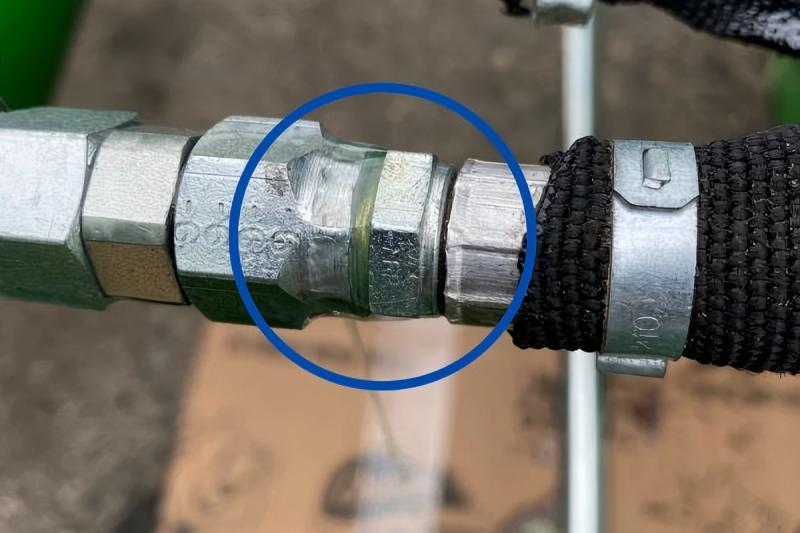
High-pressure vibration can gradually loosen connectors and hoses. - Cracked hydraulic hoses
Overbending, aging, and environmental exposure weaken hose walls.
- Overfilled hydraulic tank
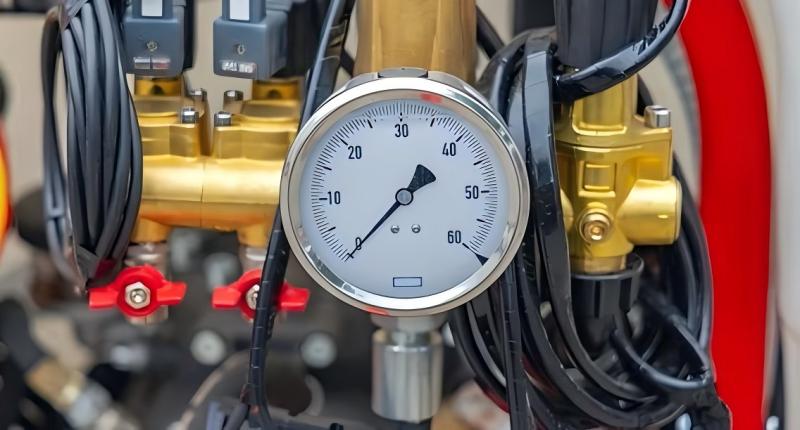
Excess oil leads to pressure spikes and overflow leakage. - Excessive system pressure
Incorrect pressure settings cause seals and hose ends to fail prematurely.
How to Diagnose Hydraulic Oil Leaks in Tube Benders
Before performing repairs, you need to identify the source of the leak. A structured inspection approach helps avoid missed issues and repeated failures.
Step 1: Inspect All External Components
Carefully check hoses, fittings, the pump area, valve blocks, and cylinder connections for visible traces of oil. Even a small amount of residue can indicate the starting point of a leak.
Step 2: Examine Hydraulic Seals and O-Rings
If you notice oil buildup around the cylinder rod, manifold, or pump shaft, the internal seal may be worn out or broken. Seals inside the hydraulic cylinder are often the root cause of slow or persistent leaks.
Step 3: Check the Oil Level and Pressure Settings
An incorrect oil level can cause aeration and irregular pressure, leading to leakage. I also make sure the system pressure matches the machine’s recommended settings, as excessive pressure often forces oil out from weak joints.
How to Fix Hydraulic Oil Leaks in Tube Benders

Once the leak source is identified, follow these practical repair methods to restore your machine’s stability and accuracy. These steps work for most CNC tube benders, NC tube benders, and custom hydraulic systems.
Repairing Leaks Caused by Loose Fittings
Tightening and Replacing Hydraulic Fittings
If the leak originates from a joint, fitting, or connector, use a torque wrench to tighten it to the recommended specification. When fittings are worn or cracked, replacing them is the safest solution.
Fixing Leaks from Worn Seals and O-Rings
Replacing Cylinder Rod Seals
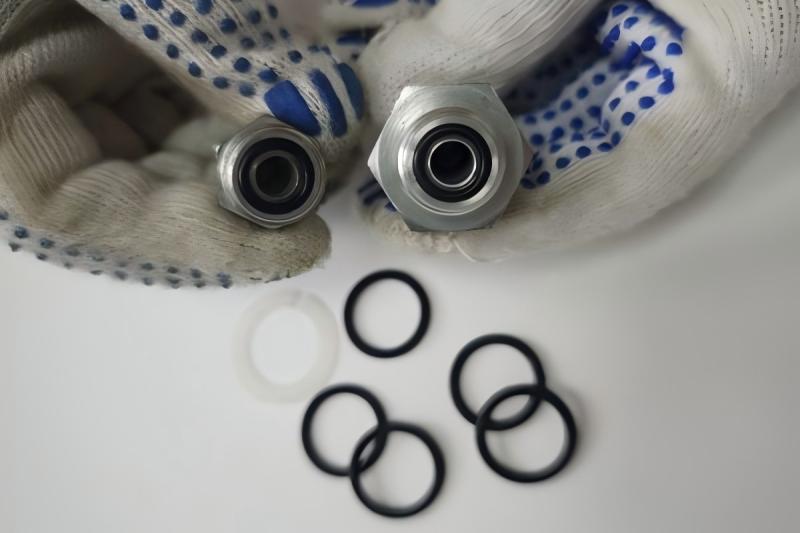
Cylinder rod seals often fail due to heat or contamination. I replace these seals using the correct repair kit to avoid future leakage. After replacement, I clean the rod thoroughly before reinserting it.
Replacing Pump and Valve Block Seals
If the pump shaft seal or valves are leaking, replacing O-rings and gaskets is necessary. Make sure all mating surfaces are clean and free of scratches to ensure proper sealing.
Repairing Hydraulic Hose Leaks
Installing New High-Pressure Hoses
If the hose shows cracks, bulging, or seepage, replacing the entire hose is the most reliable fix. Always choose hoses rated for the tube bender’s maximum pressure.
Properly Routing Hoses to Prevent Recurring Leaks
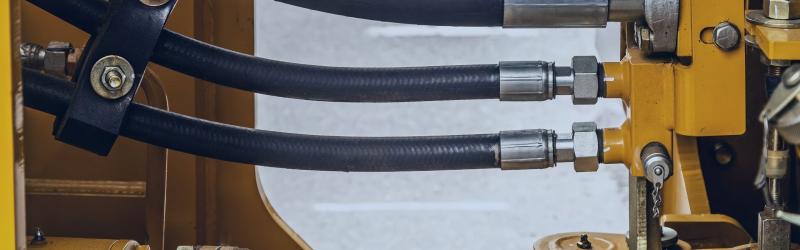
Incorrect routing causes hose stress. I ensure each hose has enough bend radius and is secured with clamps to minimize vibration damage.
Fixing Overfill or Overflow Issues
Adjusting Hydraulic Oil Level
If the hydraulic tank is overfilled, I drain excess oil until it reaches the recommended mark. Maintaining proper oil level prevents overflow and protects seals from unnecessary pressure.
Resolving Leaks Caused by Excessive Pressure
Resetting the System Pressure
When incorrect pressure settings are the cause, I adjust the relief valve to the manufacturer’s recommended value. This helps prevent new leaks and ensures stable bending force.
Preventive Maintenance Tips for Avoiding Future Oil Leaks
Regular Seal and Hose Inspections
I routinely check hoses and seals for signs of aging, cracks, and wear. Early replacement prevents major failures.
Keep the Hydraulic Oil Clean

Contaminated oil accelerates wear on seals and pump components. Replacing oil and filters regularly ensures smooth operation.
Maintain Proper Pressure Settings
Correct system pressure reduces stress on all hydraulic components and keeps your tube bender running reliably.
Use Compatible Hydraulic Oil
Different models require specific oil grades. Using the wrong oil type causes seal damage and overheating.
FAQs
What is the most common cause of Hydraulic Oil Leaks in Tube Benders?
The most common cause is worn seals inside the hydraulic cylinders. High pressure and heat gradually weaken them, leading to oil seepage.
Can I continue using my tube bender if I notice a small oil leak?
I never recommend it. Even minor leaks reduce bending accuracy, contaminate the workspace, and can quickly worsen into major failures.
How often should I check hydraulic hoses and fittings?
A general rule is to inspect them every 200–300 working hours, but machines operating under high pressure may require more frequent checks.
Does hydraulic oil quality affect leak frequency?
Absolutely. Poor-quality or contaminated oil breaks down seals faster and increases the risk of leakage.
Conclusion
Hydraulic oil leaks may seem like a small issue at first, but they can quickly compromise productivity, bending accuracy, and operator safety. By identifying the root cause, repairing damaged components, and following preventive maintenance steps, you can keep your tube bender operating efficiently. If you need additional support, detailed troubleshooting instructions, or replacement parts, feel free to reach out to the HARSLE team—we’re always ready to help you maintain your equipment at the highest standard.


