


When operators search for a reliable Maintenance Plan for Tube Benders, they usually want a clear schedule that prevents downtime, protects machine lifespan, and keeps bending accuracy stable. In this article, I’ll walk you through a practical and easy-to-follow maintenance plan that fits most tube bender models. Whether you’re new to the equipment or improving your maintenance workflow, this guide will help you understand what to check, when to check it, and how proper maintenance directly affects production quality and long-term performance.
Why a Scheduled Maintenance Plan for Tube Benders Matters
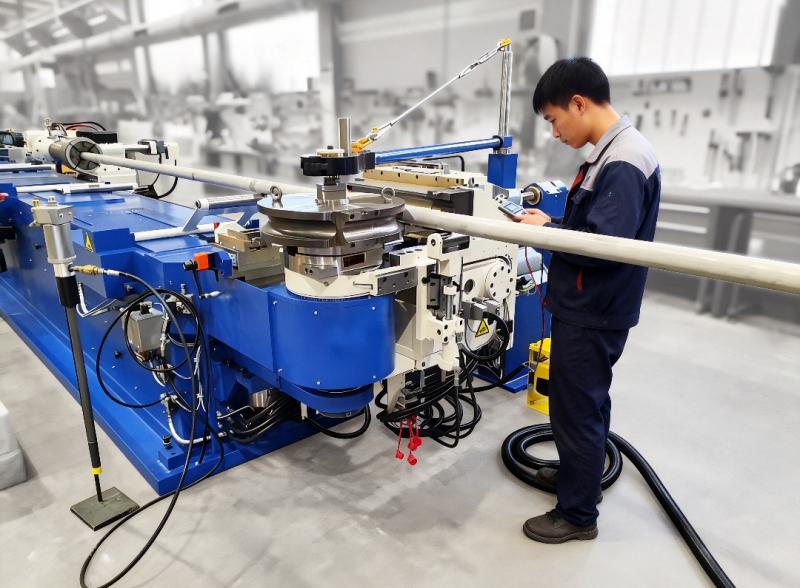
A well-structured maintenance plan reduces unexpected failures, extends component life, and ensures consistent bending accuracy. By following a routine schedule, you can avoid costly repairs and keep your equipment running efficiently.
Benefits of a Preventive Maintenance Approach
Regular inspections and servicing help detect early signs of wear in clamps, mandrels, hydraulic systems, and lubrication lines. A proactive approach ensures that minor issues never become major disruptions.
Daily Maintenance Tasks for Tube Benders
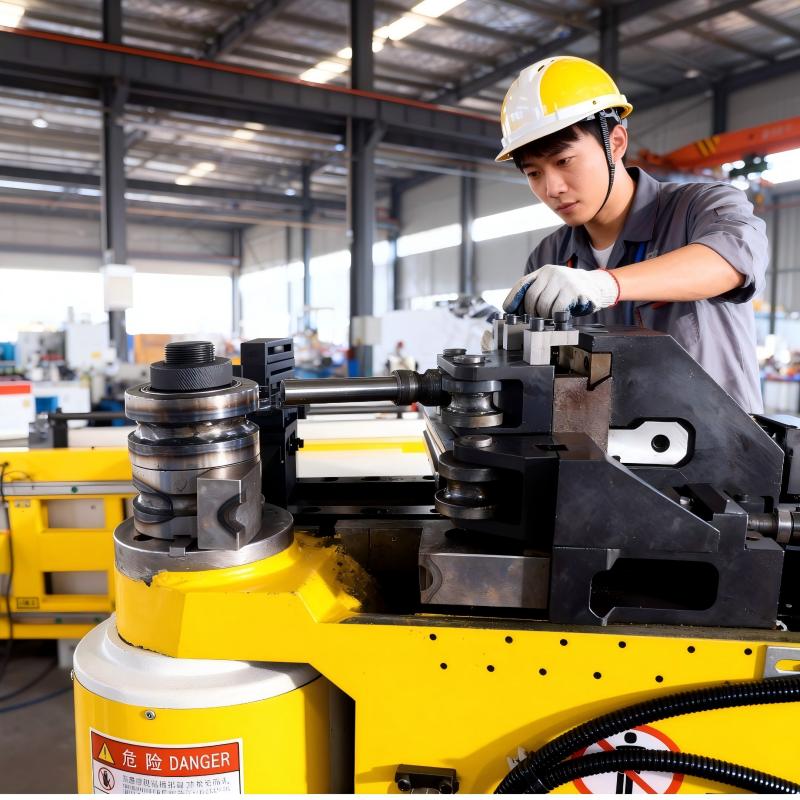
Daily tasks form the foundation of any Maintenance Plan for Tube Benders, especially for machines operating multiple shifts.
Inspecting Clamp Dies and Mandrels
Each day, I check the clamp dies, mandrels, and wiper dies for cracks or excessive wear. Damaged tooling causes increased bending resistance, inaccurate angles, and possible tube deformation. Cleaning these parts after every shift removes metal debris and prevents long-term damage.
Checking the Lubrication Levels
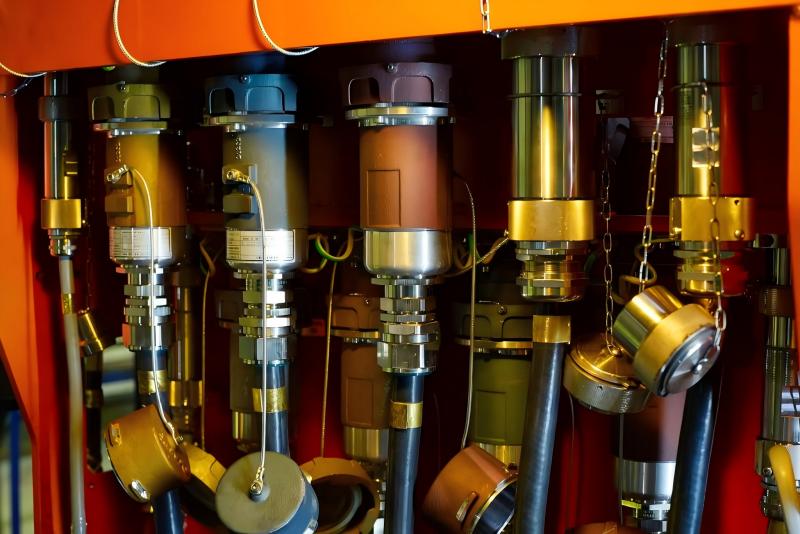
Proper lubrication is essential for smooth mandrel movement and reduced friction. Every day, I verify that lubrication points are active and the reservoir levels are adequate. A dry mandrel system can cause scoring, galling, or tube breakage.
Cleaning the Machine Surface
A dust-free and oil-free exterior prevents contamination from entering guides, motors, and electrical cabinets. Wiping the machine daily also helps maintain a safer working environment.
Weekly Maintenance Tasks for Improved Bending Stability
Weekly checks focus on components that influence bending accuracy and hydraulic balance.
Verifying Bend Arm Calibration
Incorrect arm calibration directly affects bend angles. I check alignment once a week to ensure that sensors and encoders respond accurately. Long-tail keyword: how to check bend arm alignment on a CNC tube bender.
Inspecting Hydraulic Hoses and Fittings
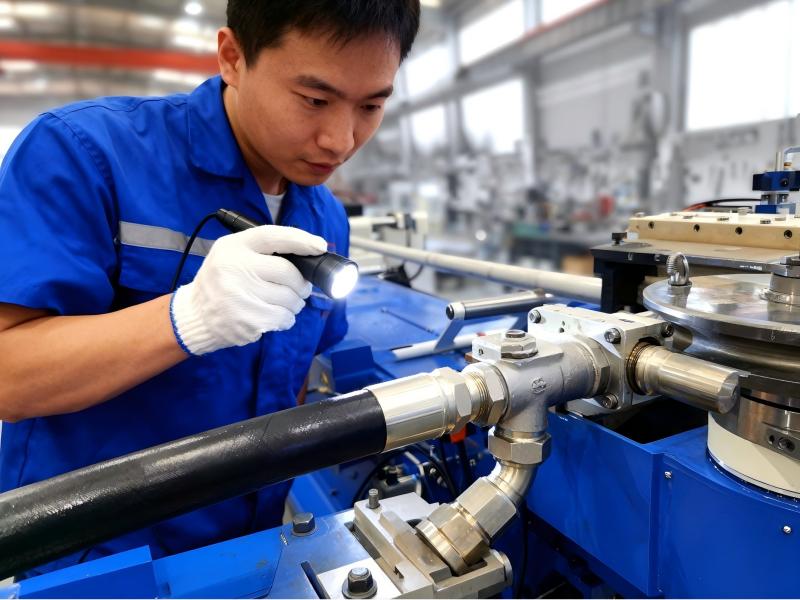
Hydraulic leaks often start small. By inspecting hoses weekly, I can identify early signs of swelling, loosened fittings, or minor cracks that would otherwise grow into system failures.
Checking for Unusual Vibrations
Excessive vibration normally indicates loose bolts, misalignment, or worn bearings. Identifying these early helps me avoid mechanical instability during high-speed bending.
Monthly Maintenance Tasks for Long-Term Performance
Monthly servicing focuses on deeper mechanical and electrical checks that ensure long-term reliability.
Testing Electrical Cabinet Cooling
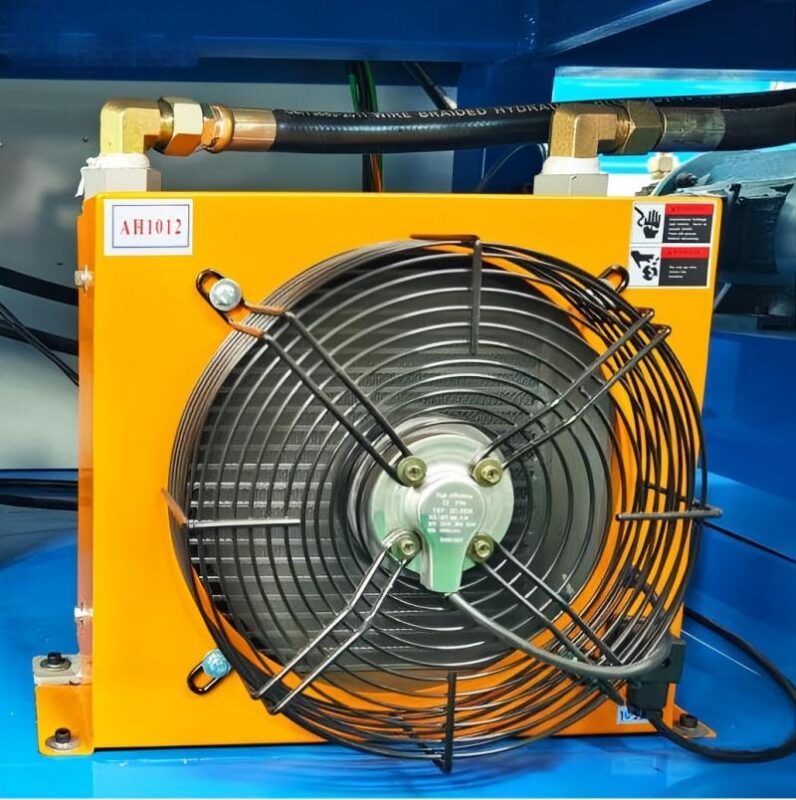
Heat is the enemy of electrical components. I check the cooling fans, air filters, and cabinet seals monthly to ensure proper airflow and dust protection.
Checking Gearbox Oil Condition
For tube benders with gearbox systems, I inspect oil color and viscosity every month. Darkened or contaminated oil reduces transmission efficiency and should be replaced immediately.
Inspecting Mandrel Extractor Settings
Extractor misalignment can damage tube surfaces during withdrawal. I verify its position monthly and recalibrate as needed to maintain smooth motion.
Quarterly Maintenance for System Optimization
Quarterly maintenance involves more detailed assessments that influence overall machine health and accuracy.
Recalibrating CNC Axes
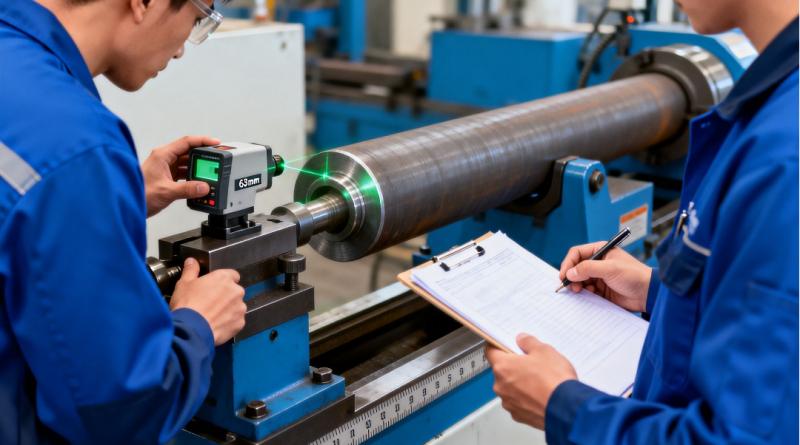
CNC-controlled axes such as Y, B, and C can drift over time. Recalibration every three months restores bending precision and eliminates angle deviation issues.
Checking Hydraulic Oil Quality
Hydraulic systems perform best when oil is clean and moisture-free. Every quarter, I test oil quality and replace the filter if contamination levels rise.
Tightening Structural Bolts
Tube benders naturally loosen bolts due to repetitive force cycles. Quarterly tightening ensures rigidity and prevents long-term structural misalignment.
Annual Maintenance Tasks for Complete System Health
An annual inspection allows me to evaluate the machine’s overall condition and forecast future servicing needs.
Comprehensive Electrical Function Testing
Annual testing ensures that relays, limit switches, sensors, and PLC functions are responding accurately. This helps prevent unexpected shutdowns.
Replacing Worn Tooling
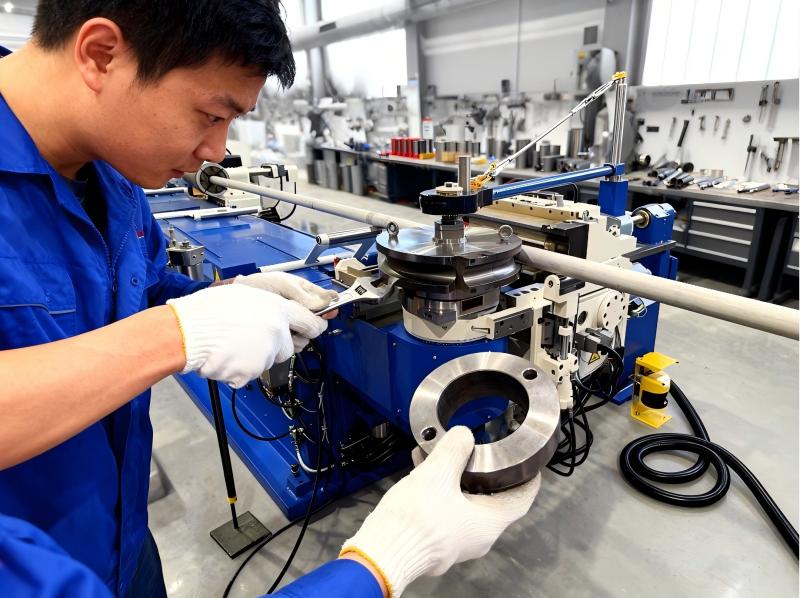
Tooling eventually reaches the end of its service life. Replacing old mandrels, wiper dies, or clamp dies once a year significantly improves bending quality.
Updating Software and Control System
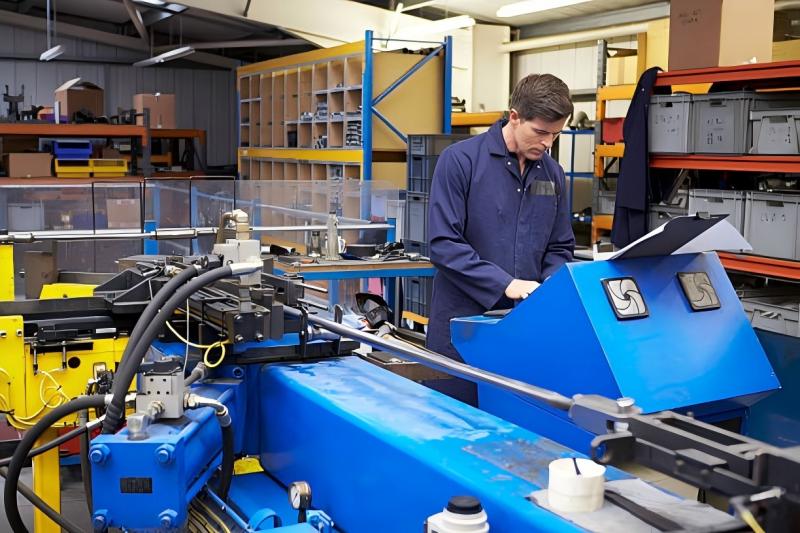
Manufacturers often release system updates that improve performance or add features. Keeping software up to date ensures that the machine benefits from the latest improvements.
Common Mistakes to Avoid in Tube Bender Maintenance
Ignoring Minor Leaks
Small hydraulic leaks quickly become expensive repairs. Early detection saves time and money.
Overlooking Calibration
Even a slight calibration shift can affect thousands of bends. Regular checks are essential.
Not Documenting Maintenance Work
A proper maintenance log helps track wear patterns, schedule future services, and support troubleshooting.
FAQs
How often should I follow a Maintenance Plan for Tube Benders?
Most tube benders benefit from daily, weekly, monthly, quarterly, and annual maintenance steps. Following a structured plan ensures consistent performance and avoids unexpected failures.
What happens if I skip lubrication checks?
Skipping lubrication increases friction, tool wear, and bending defects. It may also cause mandrel or clamp failure.
How do I know when to recalibrate my tube bender?
If you notice angle deviations, inconsistent bending radii, or repeated inaccuracies, it’s time for recalibration.
Does preventive maintenance improve machine lifespan?
Yes. A complete maintenance plan reduces stress on hydraulic, electrical, and mechanical systems, significantly extending machine life.
Conclusion
A structured Maintenance Plan for Tube Benders keeps your machine running reliably and protects your production quality. By following daily, weekly, monthly, quarterly, and annual maintenance schedules, you can minimize downtime, avoid costly repairs, and ensure long-term bending accuracy. Consistent preventive care is one of the most effective ways to improve operational stability. If you need additional guidance or want recommendations based on your machine model, feel free to reach out to our team for personalized support.


