


Motor Maintenance in Tube Benders is one of the most critical factors in keeping tube bending machines running smoothly over long production cycles. From my experience, proper motor care directly affects bending accuracy, cycle stability, and the overall lifespan of the machine. When motors are poorly maintained, issues such as vibration, inconsistent bending angles, overheating, and unexpected downtime are far more likely to occur. In this guide, I’ll share practical motor maintenance steps based on real workshop experience, helping you understand what to inspect, how frequently to perform checks, and how to prevent common motor-related failures before they disrupt production.
Understanding the Role of Motors in Tube Benders

Tube bending machines rely on several motors working together to ensure precise and repeatable motion. These include main drive motors, servo motors for axis control, feed motors, and auxiliary motors for clamping or rotation systems. Proper Motor Maintenance in Tube Benders ensures that each motor delivers stable torque, accurate positioning, and consistent speed throughout the bending process.
Modern CNC tube benders often use servo motors, which are highly precise but also more sensitive to heat, dust, and improper lubrication. Knowing how these motors function helps operators recognize early warning signs before small issues become serious problems.
Main Drive Motor and Servo Motor Functions

The main drive motor provides the power needed for bending force, while servo motors control positioning accuracy for bending angle, rotation, and feeding. If servo motors are not maintained correctly, you may notice angle deviation, repeatability issues, or axis alarms during operation. Regular inspection is essential to keep these components performing within specification.
Routine Motor Maintenance Checklist for Tube Benders
Establishing a routine maintenance schedule is the foundation of reliable Motor Maintenance in Tube Benders. I always recommend combining daily visual checks with weekly and monthly inspections to catch problems early.
Daily Motor Inspection Before Operation
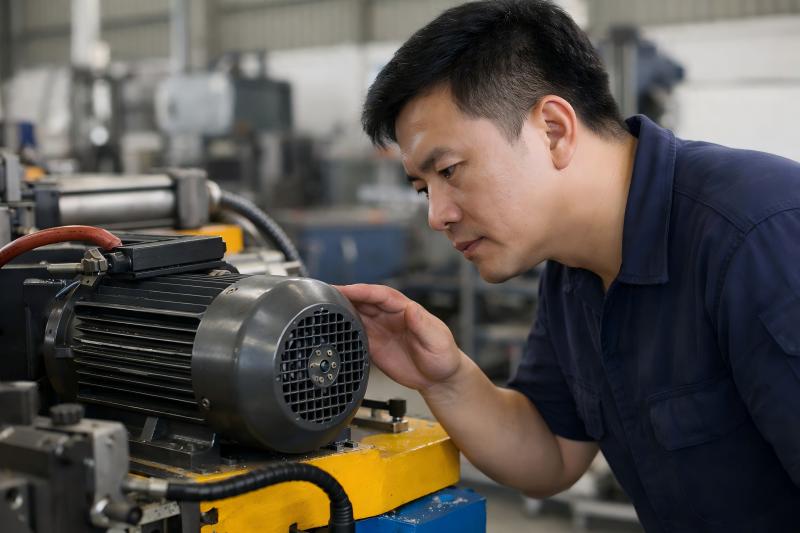
Before starting production, I check that motors are free from abnormal noise, vibration, or overheating. A quick visual inspection helps confirm that cooling fans are unobstructed and that there is no visible oil, dust, or debris buildup. These simple checks only take a few minutes but can prevent serious damage during long production runs.
Weekly Electrical Connection and Mounting Checks
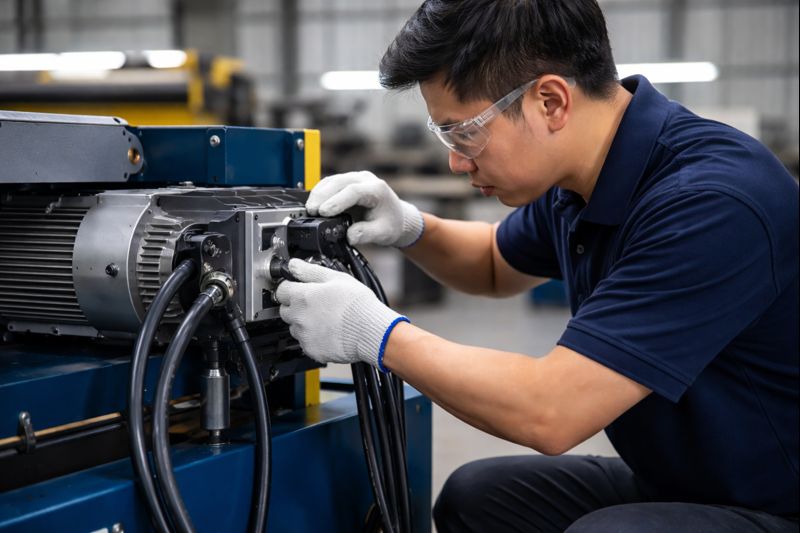
Loose electrical terminals are a common cause of intermittent motor faults. Once a week, I verify that power cables, encoder cables, and grounding connections are secure. At the same time, I inspect motor mounting bolts to ensure they are properly tightened, as vibration can gradually loosen fasteners and affect alignment.
Monthly Cleaning and Cooling System Maintenance
Dust and metal particles can accumulate on motor housings and cooling vents, reducing heat dissipation. I recommend cleaning motor surfaces and fan covers monthly using dry compressed air. If your tube bender operates in a high-dust environment, more frequent cleaning may be necessary to avoid overheating and thermal alarms.
Lubrication and Bearing Care for Motor Longevity
Bearings play a critical role in motor performance. Poor lubrication or contaminated grease is a major contributor to premature motor failure. Effective Motor Maintenance in Tube Benders includes careful attention to bearing condition.
Identifying Proper Lubrication Intervals
Not all motors require frequent lubrication, especially sealed servo motors. However, for motors with grease points, I always follow the manufacturer’s lubrication interval and grease type recommendations. Over-lubrication can be just as harmful as insufficient lubrication, leading to increased resistance and heat generation.
Detecting Early Bearing Wear
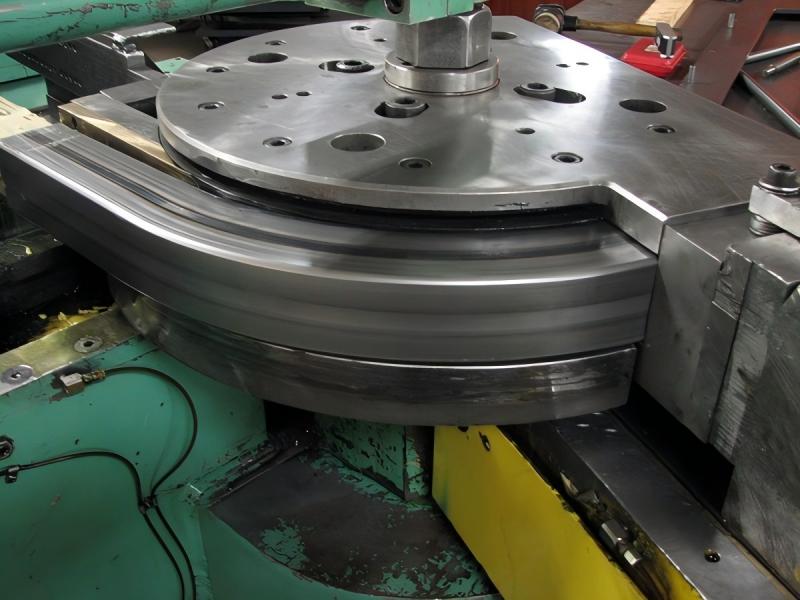
Unusual humming sounds, increased vibration, or rising motor temperature often indicate bearing wear. If these signs appear, it’s important to stop the machine and investigate rather than continuing operation. Early bearing replacement is far more cost-effective than dealing with a seized motor or damaged drive system.
Monitoring Motor Performance During Operation
Maintenance doesn’t stop once the machine is running. Continuous observation during production helps confirm that Motor Maintenance in Tube Benders is effective.
Checking Temperature and Load Stability
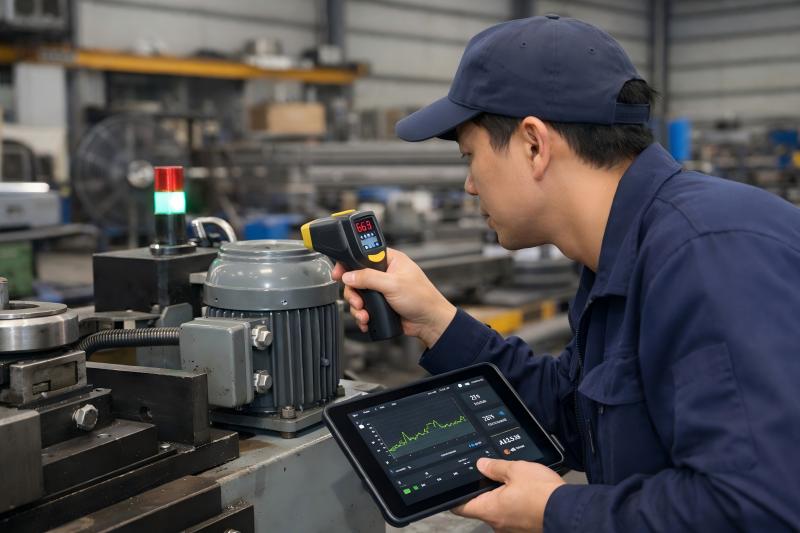
I pay close attention to motor temperature during extended bending cycles. Sudden temperature increases may signal overload, cooling failure, or internal motor issues. Monitoring load data through the CNC control can also reveal abnormal resistance or misalignment in the bending system.
Verifying Servo Accuracy and Repeatability
Servo motors should deliver consistent positioning accuracy. If you notice gradual drift in bending angles or inconsistent repeatability, recalibrating the servo system and inspecting motor feedback components such as encoders is essential. Accurate motors directly translate into consistent product quality.
Preventive Motor Maintenance for Long-Term Reliability
Preventive maintenance is the most effective way to extend motor life and reduce unplanned downtime. Rather than waiting for failures, I always recommend scheduled inspections and performance evaluations.
Scheduled Professional Inspection and Testing
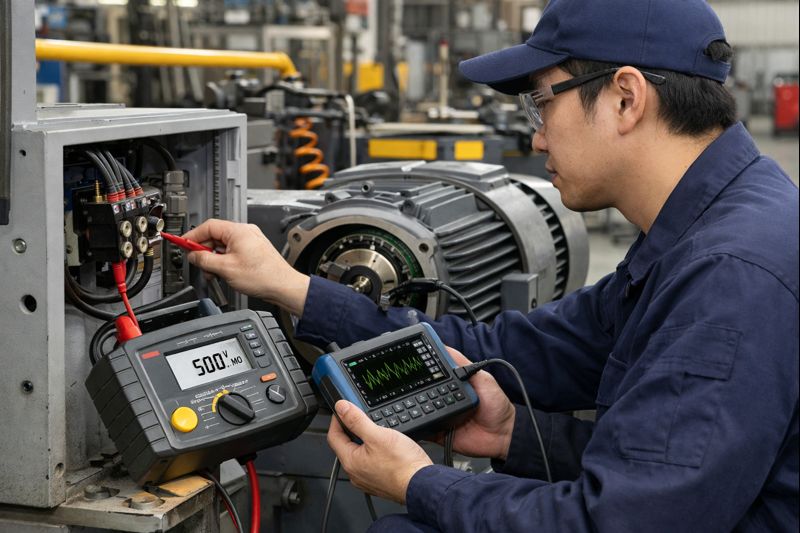
At least once a year, it’s wise to conduct a comprehensive motor inspection, including insulation resistance testing and encoder signal verification. These tests can identify hidden electrical issues that are not visible during routine checks.
Keeping Maintenance Records for Motors
Documenting all motor maintenance activities helps track performance trends over time. Maintenance logs make it easier to identify recurring issues and plan part replacements before failures occur. This structured approach is a key part of professional Motor Maintenance in Tube Benders.
Common Motor-Related Problems and Solutions
Even with regular care, motor issues can still arise. Knowing how to respond quickly minimizes production impact.
Motor Overheating During Tube Bending
Overheating is often caused by blocked cooling vents, excessive load, or incorrect motor parameters. Cleaning the cooling system and verifying parameter settings usually resolves the issue. Persistent overheating may indicate internal motor damage and should be addressed immediately.
Abnormal Noise or Vibration from Motors
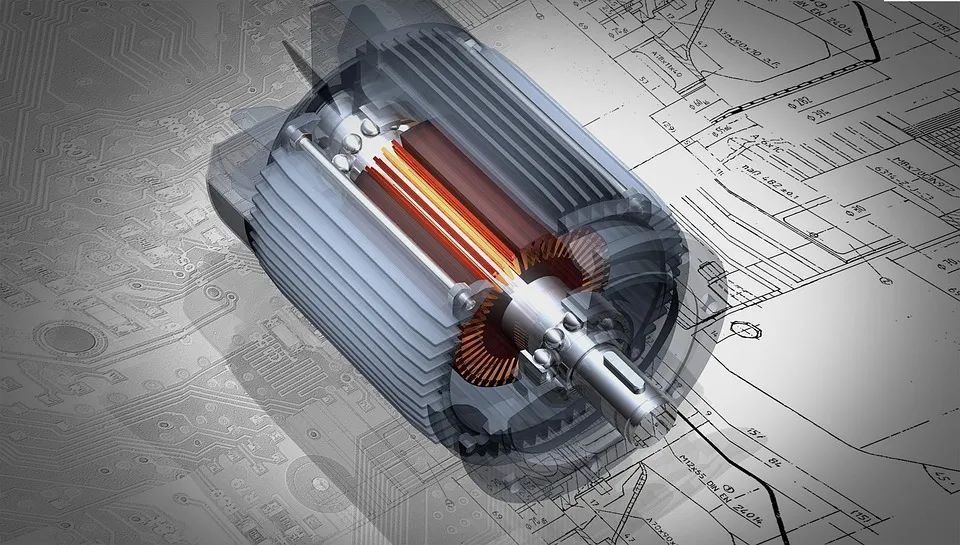
Noise and vibration often result from misalignment, bearing wear, or loose mounting. Stopping the machine and correcting these issues early prevents secondary damage to gearboxes and drive components.
FAQs
How often should I perform Motor Maintenance in Tube Benders?
I recommend daily visual checks, weekly connection inspections, and monthly cleaning. A full motor performance inspection should be carried out at least once a year or according to operating hours.
What are the early signs of motor failure in tube benders?
Common warning signs include abnormal noise, excessive vibration, rising motor temperature, servo alarms, and reduced positioning accuracy.
Can poor motor maintenance affect bending accuracy?
Yes. Inadequate Motor Maintenance in Tube Benders often leads to servo drift, inconsistent torque output, and reduced repeatability, directly impacting bending quality.
Is lubrication always required for tube bender motors?
Not all motors require lubrication. Always follow the motor manufacturer’s guidelines to avoid over-lubrication or incorrect grease usage.
Conclusion
Consistent Motor Maintenance in Tube Benders is essential for stable operation, accurate bending results, and long-term equipment reliability. By following structured inspection routines, monitoring motor performance, and addressing issues early, you can significantly reduce downtime and extend motor service life. If you need detailed maintenance recommendations for your specific tube bender model or professional technical support, feel free to contact the HARSLE service team or explore our related documentation for deeper guidance.


