


When excessive noise in tube benders begins to affect your production, it’s usually a sign that something inside the machine isn’t operating as it should. If you’re trying to figure out why your tube bender is making unusual sounds—or how to fix them—you’re in the right place. In this guide, I’ll walk you through the most common causes of noise issues and show you practical steps to diagnose and solve the problem quickly. Whether you’re working with a fully automatic CNC tube bender or a simpler hydraulic model, these methods will help you restore smooth and quiet operation.
Understanding Common Sources of Noise in Tube Benders
Mechanical Friction in Moving Components
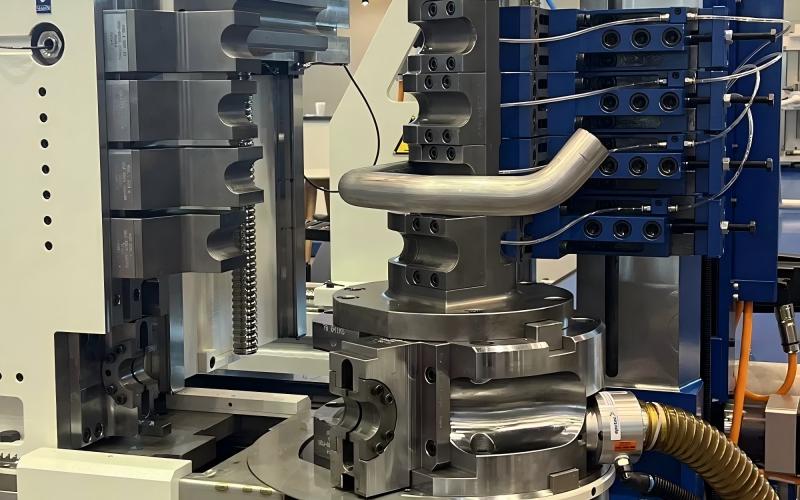
One of the most common causes of noise in tube benders is friction in the moving parts. Over time, components such as the bending head, clamping blocks, and guide rails can accumulate dirt, wear, or lose lubrication. When this happens, the machine may produce grinding, squeaking, or rubbing sounds. I always recommend inspecting these contact surfaces first because they often reveal obvious clues like metal chips, oil contamination, or signs of wear. Cleaning and proper lubrication can immediately reduce excessive noise and prevent long-term damage.
Loose Bolts, Nuts, or Structural Components
Vibration-related noise usually comes from loose hardware. Tube benders generate significant force, and repeated cycles can gradually loosen fasteners around the bending arm, mandrel housing, or hydraulic brackets. When troubleshooting, I gently tap different areas of the frame using a rubber mallet while the machine is off. If any part rattles or vibrates, it’s a strong indication that tightening is needed. Make sure to check the mechanical joints, electrical panel mounting plates, and protective covers as well.
Worn Mandrel, Wiper Die, or Pressure Die

When the tooling is worn or improperly installed, it can cause abnormal “clicking,” “rattling,” or “snapping” sounds during bending. This is especially common when bending stainless steel or aluminum tubing. A worn mandrel can cause tube chatter, while a damaged wiper die may allow the tube to shift unexpectedly. I always check the tooling condition and alignment before suspecting a deeper mechanical problem.
Troubleshooting Hydraulic Noise in Tube Benders
Air in the Hydraulic System
If the noise in your tube bender resembles a “whining” or “gurgling” sound, there may be air trapped in the hydraulic lines. This can happen after maintenance, oil replacement, or a leak. Bleeding the hydraulic system is usually the fastest fix. I run the machine in manual mode to move each axis slowly until the air is pushed out. Keeping hydraulic oil at the correct level also helps prevent bubbles from forming again.
Incorrect or Contaminated Hydraulic Oil

Old or contaminated oil can cause cavitation, leading to knocking sounds inside the pump. This is a problem I see frequently when the machine hasn’t been serviced for a long time. If the oil looks dark, foamy, or has particles, it’s time to replace it. I always recommend using the manufacturer-specified oil because incorrect viscosity can increase noise and reduce performance.
Faulty Hydraulic Pump or Motor Bearings
A high-pitched whining noise often indicates worn bearings in the pump or main motor. This type of issue gets worse over time, so I check for overheating, vibration, or reduced pressure. If the noise changes when the bending axis is under load, the pump may need to be repaired or replaced.
Electrical and Control-Related Noise Issues
Servo Motor Oscillation or Incorrect Tuning
CNC tube benders rely heavily on servo motors. If the tuning parameters are incorrect, the motor may oscillate and generate buzzing sounds. I usually perform a servo tuning check through the controller interface and ensure that the axis is not overloaded or binding mechanically.
Faulty Fans, Relays, or Contactors in the Electrical Cabinet
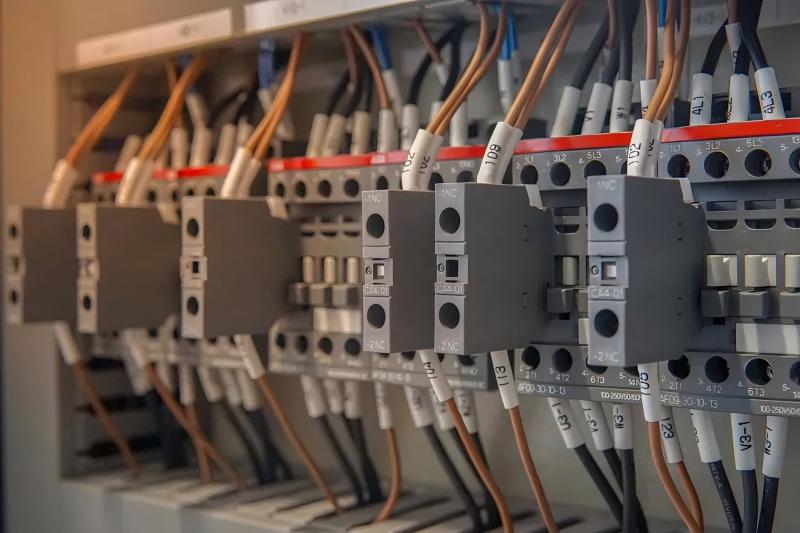
Sometimes noise doesn’t come from the bending mechanism at all—it comes from the electrical panel. A failing fan or a vibrating relay can create noticeable humming. I open the cabinet while the machine is off and check for dust buildup, weak mounting screws, or old relays that need replacement.
Step-by-Step Guide: How to Start Troubleshooting Excessive Noise in Tube Benders
Step 1: Identify the Type and Pattern of Noise
Before adjusting anything, I listen carefully to determine whether the noise is grinding, clicking, whining, or rattling. The sound pattern usually points to the root cause. Continuous grinding suggests friction; intermittent knocking may indicate a loose part.
Step 2: Inspect Tooling and Replace Worn Components
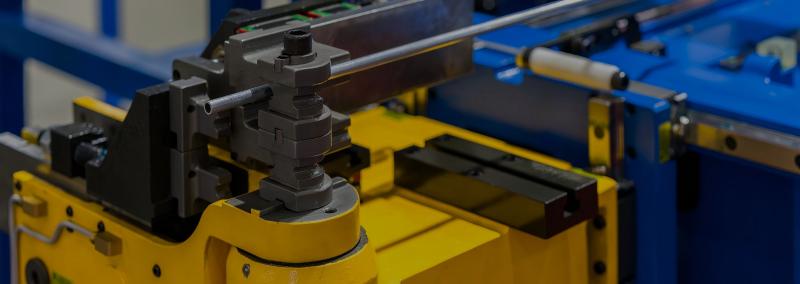
I always start with the tooling because it directly touches the tube. Checking the mandrel, wiper die, and pressure die helps eliminate tool-related noise quickly. Replacing worn components usually restores smooth bending.
Step 3: Lubricate Moving Parts
If I notice dryness or buildup on moving components, I clean and lubricate them thoroughly. This includes guide rails, rotating joints, and the bending head assembly. This simple maintenance routine can eliminate a majority of mechanical noise.
Step 4: Examine Hydraulic Oil Levels and Condition
I check the hydraulic tank to ensure the oil is clean and at the correct level. If the oil is degraded, I replace it and clean the filters. Proper oil quality significantly reduces noise and extends the machine’s durability.
Step 5: Tighten Bolts and Reinforce Structural Parts
Using a torque wrench, I make sure all major fasteners are secured. Tube benders experience repeated stresses, so consistent tightening prevents future vibration noise.
Step 6: Test the Machine Under Load

After completing the checks, I run the machine with a sample tube to confirm that the noise has been resolved. If the noise persists, I investigate deeper issues such as pump wear or servo malfunction.
FAQ
Why is there sudden noise in my tube bender even though it was working fine yesterday?
Sudden noise often means something has come loose or a component has worn unexpectedly. I recommend checking fasteners, tooling alignment, and hydraulic oil first. These are usually the quickest areas to diagnose.
Can hydraulic noise damage my tube bender if I ignore it?
Yes. Persistent hydraulic noise may indicate air in the system, cavitation, or pump wear. If left unchecked, it can lead to pump failure or reduced bending accuracy.
How do I know if the mandrel is causing noise?
If you hear rattling or clicking during bending, the mandrel may be worn or not seated properly. Removing and inspecting it is the fastest way to confirm.
What is the best maintenance routine to prevent noise in tube benders?
I follow a routine that includes weekly lubrication, monthly bolt tightening, quarterly hydraulic checks, and annual servo tuning. This keeps the machine running quietly and efficiently.
Conclusion
Excessive noise in tube benders is not just an annoyance—it’s an early warning sign that your machine needs attention. By checking tooling, lubrication, hydraulic components, and electrical systems, you can quickly identify the root cause and prevent further damage. Following these troubleshooting steps helps ensure quiet operation, longer machine life, and more consistent bending quality. If you need more detailed guidance or want professional support for your tube bender, feel free to reach out to the HARSLE team for assistance.


