


Tube Bender Alarm Causes can disrupt production instantly, stopping workflow, reducing efficiency, and even risking damage to your tooling if not handled correctly. If you’re looking to understand why these alarms occur and how to identify their root causes quickly, you’re in the right place. In this article, I’ll guide you through the key steps to diagnose alarm issues, break down what different categories of alarms usually indicate, and help you pinpoint problems faster so you can bring your machine back to stable operation with minimal downtime.
Understanding the Main Types of Tube Bender Alarm Causes
Electrical Alarm Causes in CNC Tube Benders
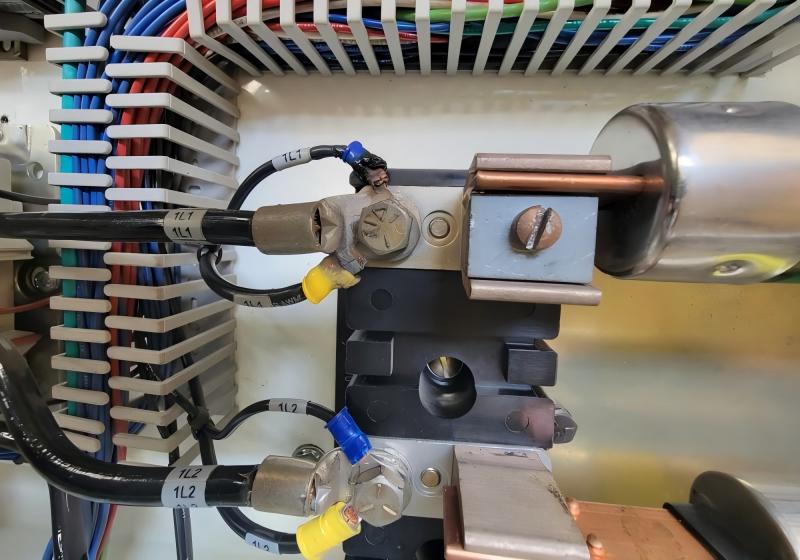
Electrical alarms are among the most common issues in CNC tube bending systems. These alarms often relate to power fluctuations, incorrect voltage, blown fuses, or poor grounding. When these occur, the machine may stop responding or shut down entirely. I always recommend checking the main power supply first, as unstable voltage can trigger multiple fault codes. Then verify each servo driver and the electrical cabinet for overheating or loose wiring. This helps narrow down the root cause quickly and prevents unnecessary part replacements.
Hydraulic Pressure–Related Tube Bender Alarm Causes
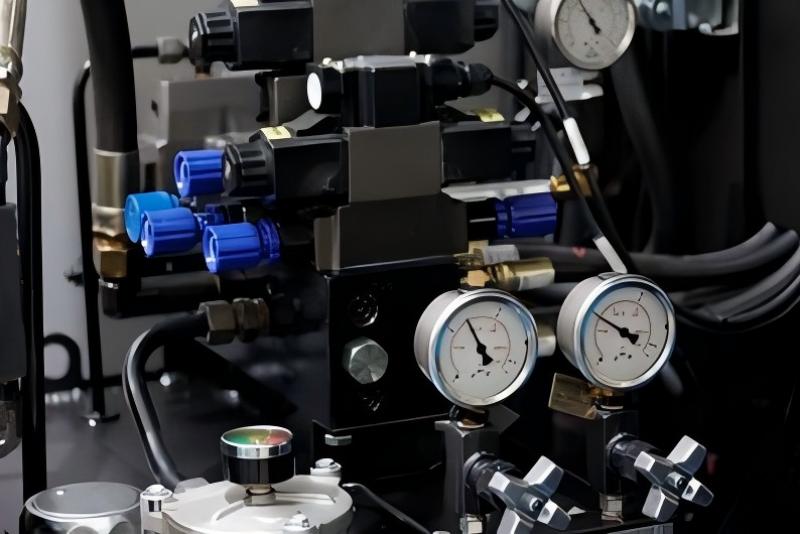
Hydraulic systems are critical for feeding, clamping, bending, and mandrel retraction. If the hydraulic pressure drops below the required level, alarms will occur. The issue may come from low oil level, a clogged filter, air trapped in the system, or a failing hydraulic pump. To diagnose this, I start by inspecting the pressure gauge, checking for leaks, and confirming that the oil temperature is within the recommended range. If the pressure fluctuates during bending, it often indicates contamination or worn seals.
Mechanical Alarm Causes from Moving Axes and Tooling
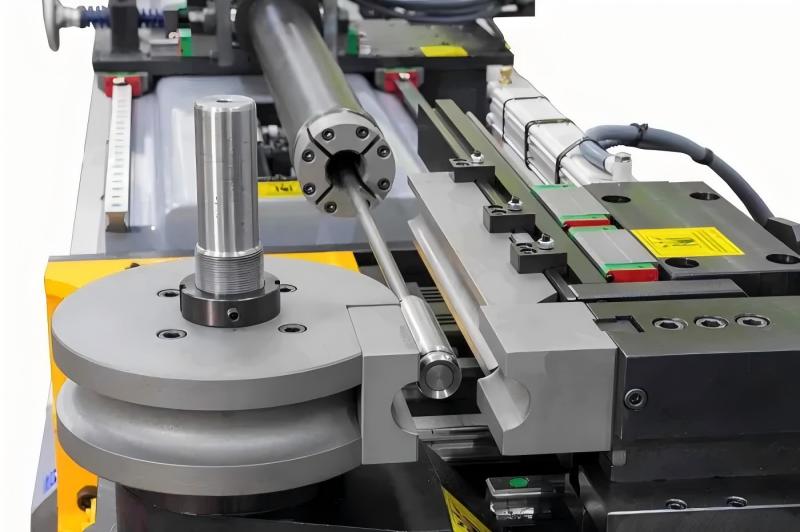
Mechanical alarms are frequently tied to axis overloads, positioning errors, or interference between tooling components. When I troubleshoot these alarms, I begin by checking the guide rails, ball screws, and clamps for obstruction or misalignment. A mis-set mandrel can also trigger overloads during bending. Testing the axes in manual mode helps identify whether the cause is mechanical friction, incorrect axis limits, or improper lubrication.
How to Identify Tube Bender Alarm Causes Quickly and Accurately
Step 1 – Check the Alarm Code Description on the Controller
The first step I take is reviewing the alarm description on the CNC controller. Most systems—whether PLC-based or advanced CNC controls—provide a code and a short explanation. Understanding this message narrows the diagnostic path. I also check whether the alarm is repeatable, which tells me whether it’s a hardware or software issue.
Step 2 – Inspect Axis Movements Using Manual Jog Mode
Once the alarm code gives direction, I use manual jog mode to test each axis individually. If the bending axis stalls or produces noise, the issue is likely mechanical. If it refuses to move at all, the cause may be electrical or software-related. This step helps me verify whether the alarm relates to overload, misalignment, or encoder feedback failure.
Step 3 – Verify Hydraulic System Conditions

Since hydraulic instability causes many Tube Bender Alarm Causes, I always check the hydraulic pump sound, oil condition, and temperature. Dark or burnt-smelling oil usually indicates contamination. Air bubbles in sight glasses suggest cavitation, which can cause intermittent alarms and inconsistent bending quality.
Step 4 – Confirm Sensor and Limit Switch Functionality
Tube benders rely heavily on sensors for mandrel position, clamp status, and axis limits. If a sensor fails or becomes misaligned, false alarms will appear. I manually check each sensor to ensure that it detects movement correctly. Tightening loose brackets and cleaning the sensor surfaces often resolves the issue immediately.
Step 5 – Review the Recent Job Settings and Tooling Setup
Incorrect program parameters—such as feed length, angle, or mandrel steps—can also cause alarms. Whenever I troubleshoot, I compare the program with the tooling setup to ensure all values match the actual working conditions. A mismatch between tooling dimensions and program data is one of the fastest ways to trigger errors.
Preventing Recurring Tube Bender Alarm Causes
Routine Calibration of Mandrels, Clamps, and Axes

Regular calibration prevents inconsistencies that lead to alarms. I recommend checking mandrel extension, clamp pressure, and axis zero points after any model change or tooling adjustment.
Keeping Electrical and Hydraulic Systems Clean
Dust, oil contamination, and poor ventilation cause many recurring alarms. Cleaning the electrical cabinet and replacing hydraulic oil on schedule avoids overheating and unstable pressure.
Implementing a Preventive Maintenance Schedule
A structured maintenance plan—covering lubrication, inspection, and part replacement—helps reduce repetitive alarms and improves overall bending accuracy.
FAQ
What are the most common Tube Bender Alarm Causes in CNC systems?
The most common causes include electrical voltage issues, hydraulic pressure drops, axis overloads, faulty sensors, and incorrect program settings. Each of these can trigger different alarm codes depending on the machine model.
How can I quickly determine whether an alarm is electrical or mechanical?
I usually test the axes in manual mode. If the axis attempts to move but struggles, it’s likely mechanical. If it does not move at all, the issue may be electrical or related to servo drivers.
Why do hydraulic alarms occur during continuous bending?
Hydraulic alarms often arise from overheating, insufficient oil level, or a weakened pump. Continuous bending increases load, making unstable hydraulic systems more likely to trigger alarms.
Can incorrect tooling setup trigger alarm codes?
Yes. Misaligned mandrels, incorrect clamp force, or mismatched tooling dimensions are common Tube Bender Alarm Causes. Always verify that tooling matches the program parameters.
Conclusion
Identifying Tube Bender Alarm Causes quickly is essential for minimizing downtime and protecting your equipment. By checking alarm descriptions, testing axis movement, reviewing hydraulic performance, and inspecting sensors and tooling, you can diagnose most problems efficiently and restore the bending process smoothly. If you need more support or want to explore advanced troubleshooting guides, feel free to reach out to our team or browse additional documentation on tube bending systems.


