


Tube Bender Annual Overhaul is often the first thing operators think about when tube bending machines begin to lose accuracy, suffer from unexpected downtime, or produce inconsistent bending results. If you are looking for a clear and practical explanation of what a professional overhaul should include, you are in the right place. In this article, I’ll walk you through the key elements of a comprehensive Tube Bender Annual Overhaul, explaining which components need to be inspected, adjusted, serviced, and verified to ensure long-term machine reliability. Whether you operate a single CNC tube bender or oversee a complete production line, this guide will help you understand what a proper annual overhaul really involves and why it is essential.
Why a Tube Bender Annual Overhaul Is Necessary
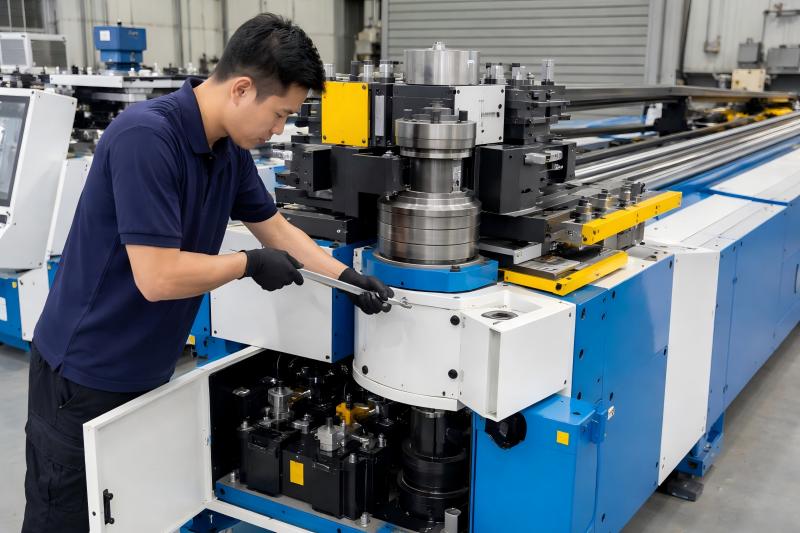
A Tube Bender Annual Overhaul goes far beyond routine daily or weekly maintenance. Over a full year of operation, small deviations accumulate in mechanical components, hydraulic systems, electrical controls, and tooling alignment. These gradual changes often go unnoticed until they lead to scrap, rework, or sudden breakdowns.
A professional annual overhaul is designed to restore the machine to a stable, predictable condition. It focuses on wear inspection, precision recalibration, system optimization, and preventive replacement of critical components before failure occurs.
Mechanical System Inspection and Restoration
Structural Frame and Clamping Units Inspection
The first step in a Tube Bender Annual Overhaul is a thorough inspection of the machine’s mechanical structure. I always start by checking the machine frame, bending arm, clamp die, pressure die, and carriage components for deformation, cracks, or abnormal wear.
Any looseness in mounting bolts or fixtures can directly affect bending accuracy. During the overhaul, all critical fasteners should be checked and re-torqued according to specifications, ensuring long-term structural stability.
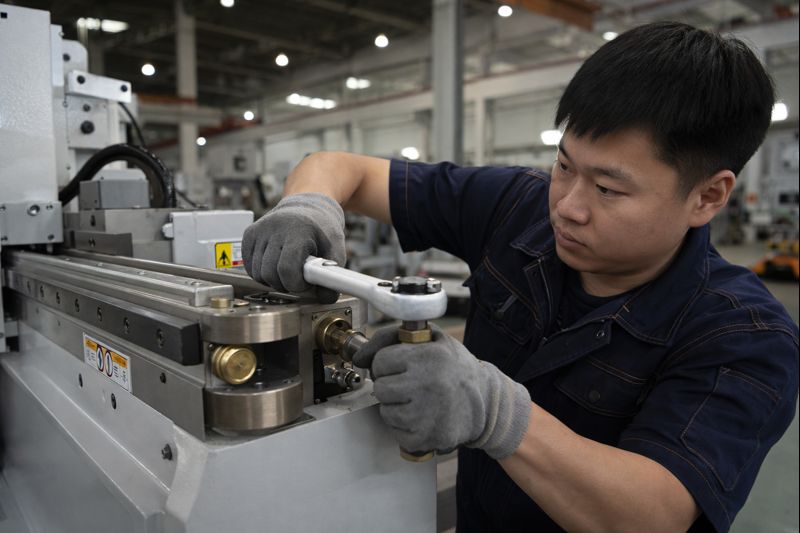
Bearings, Slides, and Guide Rails Evaluation
Wear in bearings and guide rails is one of the most common causes of vibration and positioning errors. During a professional overhaul, linear guides, rotary bearings, and sliding surfaces must be inspected for scoring, uneven wear, or contamination.
If lubrication paths are blocked or grease has degraded, components may appear fine visually but perform poorly under load. Cleaning, relubricating, or replacing worn bearings is a core part of any effective Tube Bender Annual Overhaul.

Hydraulic System Overhaul and Testing
Hydraulic Oil Condition and Filtration
Hydraulic performance directly impacts bending force consistency. As part of the Tube Bender Annual Overhaul, hydraulic oil should be sampled and evaluated for contamination, oxidation, or moisture. Even oil that looks clean can lose viscosity and lubricating properties over time.
Filters must be replaced, and the hydraulic tank should be cleaned if sludge or sediment is present. This step alone can significantly improve system responsiveness and stability.
Valves, Pumps, and Cylinders Inspection

Control valves and pumps are inspected for leakage, pressure instability, and abnormal noise. Cylinders should be checked for seal wear and rod surface damage. A professional overhaul verifies system pressure against factory parameters and adjusts relief valves if necessary to restore proper force control.
Electrical and Control System Verification
Servo Motors and Drive Systems Check
Modern CNC tube benders rely heavily on servo-driven axes. During the Tube Bender Annual Overhaul, servo motors, couplings, and drive belts are inspected for wear, misalignment, or backlash. Encoder feedback signals should be checked to ensure accurate positioning.
Even minor misalignment at this stage can cause cumulative bending errors, especially in high-precision or multi-radius programs.
CNC System, Parameters, and Software Review
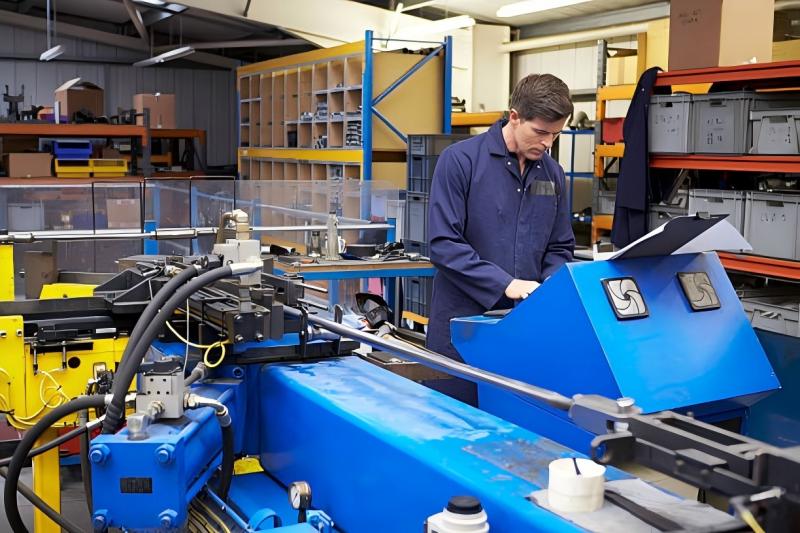
Control system parameters can drift due to past adjustments or software updates. I always recommend reviewing axis parameters, acceleration curves, and safety limits during an annual overhaul. Software should be updated only after parameter backups are completed.
This step ensures that the Tube Bender Annual Overhaul not only restores hardware condition but also maintains stable and optimized control logic.
Tooling and Bending Accuracy Calibration
Tooling Wear Inspection and Replacement
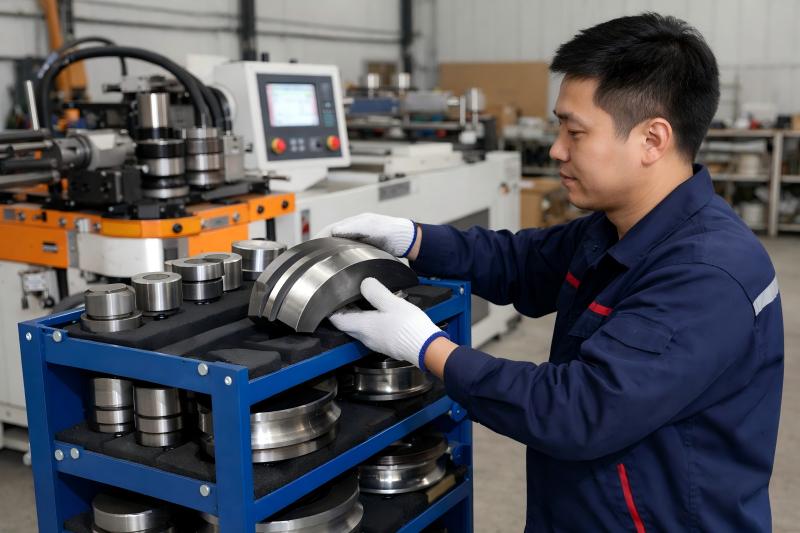
Mandrels, wiper dies, pressure dies, and clamp dies experience direct contact with material and are subject to gradual wear. As part of the Tube Bender Annual Overhaul, tooling surfaces should be measured and inspected for deformation or excessive polishing.
Replacing worn tooling before it causes defects is far more cost-effective than correcting scrap or customer complaints later.
Bending Angle, Radius, and Repeatability Calibration
After mechanical and hydraulic systems are stabilized, bending accuracy must be recalibrated. This includes verifying bend angles, centerline radius, and springback compensation. Test bends should be performed under real production conditions to confirm repeatability.
A professional Tube Bender Annual Overhaul always ends with documented calibration results, providing a clear reference for future maintenance.
Safety Systems and Compliance Checks
Safety is a critical part of any overhaul. Emergency stop circuits, light curtains, safety doors, and interlocks must be tested to ensure reliable operation. Faulty safety components not only risk accidents but can also cause unexpected machine stoppages.
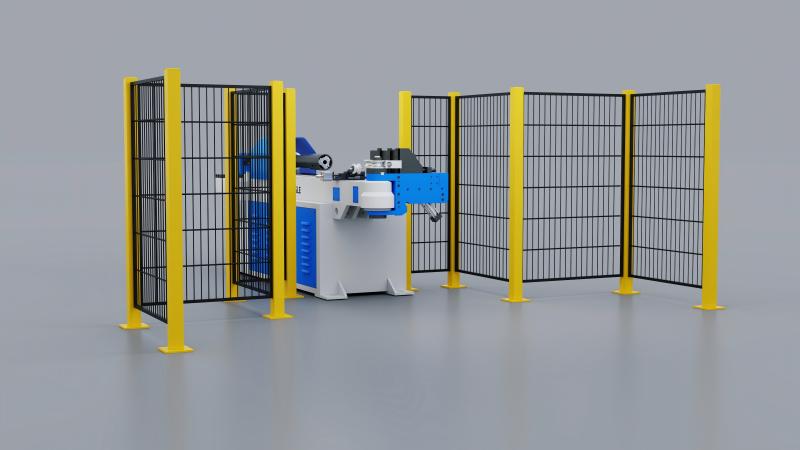
A complete Tube Bender Annual Overhaul includes functional testing of all safety systems under simulated fault conditions.
Documentation and Maintenance Planning
Overhaul Records and Future Maintenance Scheduling
The final step is documentation. All inspection results, replaced parts, calibration values, and parameter adjustments should be recorded. These records form the foundation for predictive maintenance planning and help identify recurring wear patterns.
A well-documented Tube Bender Annual Overhaul makes future troubleshooting faster and more accurate.
FAQs
How long does a professional Tube Bender Annual Overhaul usually take?
Depending on machine complexity and condition, a Tube Bender Annual Overhaul typically takes one to three days. Machines with automation or multiple axes may require additional time for calibration and testing.
Can a Tube Bender Annual Overhaul reduce unexpected breakdowns?
Yes. By identifying wear, contamination, and parameter drift early, a Tube Bender Annual Overhaul significantly reduces the risk of sudden failures and unplanned downtime.
Is a Tube Bender Annual Overhaul necessary if the machine seems to run fine?
Even if performance appears normal, hidden wear and system drift can exist. An annual overhaul addresses issues before they impact accuracy or reliability.
Conclusion
A professional Tube Bender Annual Overhaul is not just a checklist—it is a systematic process that restores mechanical integrity, hydraulic stability, control accuracy, and operational safety. By covering structural inspection, hydraulic servicing, control verification, tooling calibration, and detailed documentation, you can extend machine life, improve bending consistency, and avoid costly production interruptions. If you want guidance tailored to your specific tube bending machine or production requirements, I recommend reaching out to a professional service team or exploring additional HARSLE technical documentation for deeper support.


