


Tube Bender Bearing Maintenance is often the hidden reason behind accuracy drift when customers notice that bend results change even though the CNC program remains exactly the same. Bearings are responsible for guiding rotation, carrying loads, and keeping critical components aligned inside a tube bender. When they become worn, contaminated, or poorly lubricated, mechanical inaccuracies appear that no control system can correct. In this article, I’ll explain why tube bender bearing maintenance is vital for maintaining bending accuracy, how bearing condition directly influences part quality, and what practical maintenance steps help ensure consistent, high-precision tube bending results.
How Bearings Affect Accuracy in Tube Bending Machines
The Role of Bearings in Tube Bender Motion Control
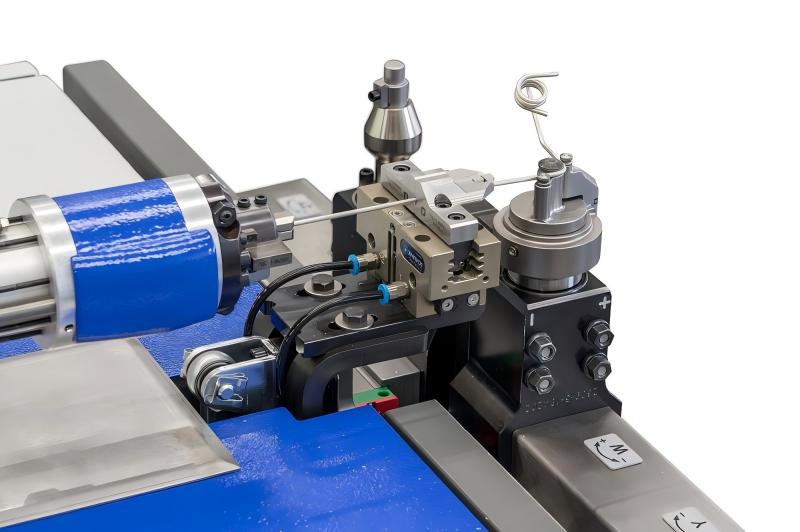
In a CNC tube bender, bearings are used in multiple critical locations, including bending arms, clamp dies, pressure dies, rotation units, and feed carriages. These bearings ensure smooth, repeatable movement under high load. When bearings are in good condition, rotational and linear motions remain stable and predictable. Poor tube bender bearing maintenance allows internal clearances to increase, which directly leads to backlash, vibration, and positioning errors during bending.
How Bearing Wear Causes Dimensional Deviation
As bearings wear, microscopic play develops between rolling elements and races. Over time, this play becomes large enough to affect bend angle accuracy, rotation positioning, and repeatability. Operators may notice inconsistent angles, ovalization, or variations between identical parts. In my experience, many accuracy complaints blamed on tooling or programming are actually caused by neglected tube bender bearing maintenance.
Common Accuracy Problems Caused by Poor Bearing Maintenance
Inconsistent Bend Angles During Production
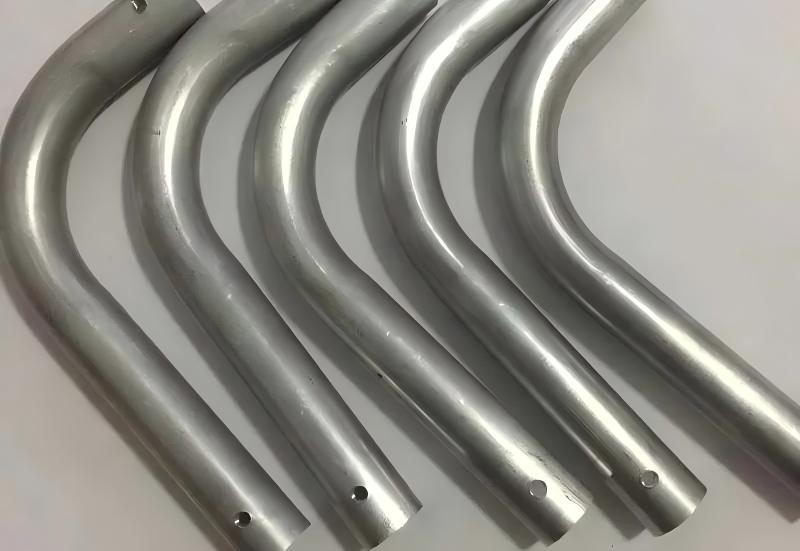
One of the first signs of bearing-related accuracy issues is inconsistent bend angles across a batch. Even small bearing clearance changes can cause the bending arm to stop slightly short or overshoot the target angle. Without proper tube bender bearing maintenance, these deviations worsen as production speed increases.
Rotation and Feed Position Errors
Bearings in rotation and feeding systems must support both radial and axial loads. Worn or contaminated bearings can cause unstable tube rotation, leading to angular misalignment between bends. This problem is especially noticeable in multi-radius or complex 3D tube bending applications.
Increased Vibration and Surface Defects
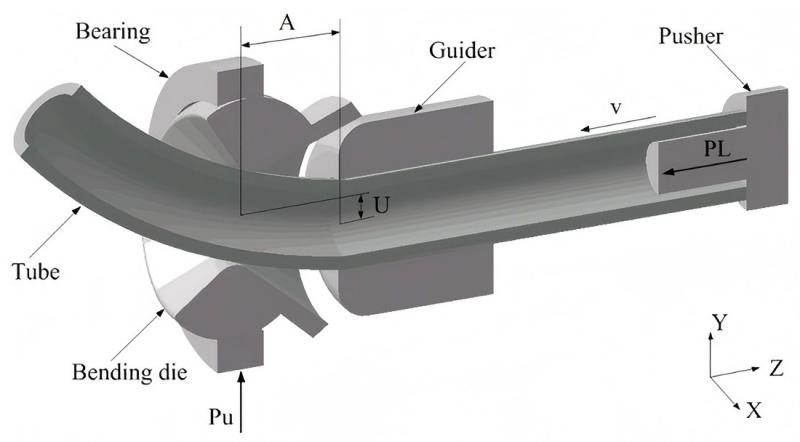
Damaged bearings often generate vibration under load. This vibration transfers directly to the tube, resulting in surface marks, chatter, or reduced bending quality. Maintaining clean, well-lubricated bearings is a key part of tube bender bearing maintenance for surface finish consistency.
How to Perform Effective Tube Bender Bearing Maintenance
Routine Bearing Inspection for Accuracy Control
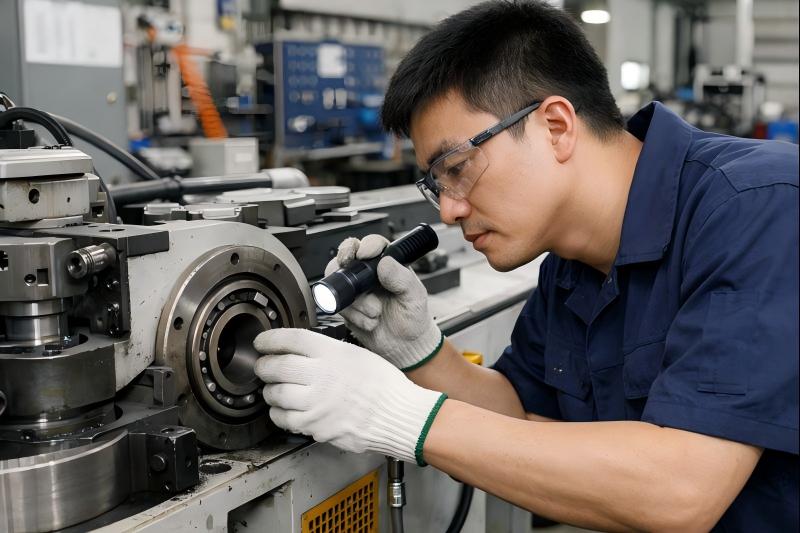
I always recommend visual and functional bearing inspections as part of routine maintenance. Look for abnormal noise, uneven rotation, excessive heat, or visible lubricant leakage. During inspection, manually rotate bearing-supported components to check for roughness or resistance. Regular inspections allow you to catch early-stage wear before accuracy is affected.
Proper Lubrication Practices for Tube Bender Bearings
Lubrication is one of the most important aspects of tube bender bearing maintenance. Using the correct grease type and interval reduces friction, prevents corrosion, and minimizes wear. Over-lubrication can be just as harmful as under-lubrication, as excess grease attracts dust and metal particles. Always follow the manufacturer’s lubrication guidelines.
Bearing Replacement Timing and Alignment Checks

Bearings should be replaced as soon as measurable play exceeds acceptable limits. Delaying replacement often leads to secondary damage in shafts or housings. After bearing replacement, alignment checks are essential to restore full accuracy. Skipping alignment can negate the benefits of new bearings and shorten their service life.
Preventive Maintenance Strategies to Maintain Long-Term Accuracy
Creating a Tube Bender Bearing Maintenance Schedule
A structured maintenance schedule is the best way to protect bending accuracy. I suggest tracking operating hours and scheduling bearing inspections based on machine workload rather than waiting for problems to appear. Preventive tube bender bearing maintenance significantly reduces unplanned downtime.
Monitoring Accuracy Trends as Early Warning Signs
Accuracy drift is often the first symptom of bearing issues. Recording bend angle deviations and repeatability data helps identify gradual performance changes. When trends appear, bearing inspection should be one of the first checks performed.
FAQ
How does Tube Bender Bearing Maintenance improve bending accuracy?
Proper tube bender bearing maintenance minimizes internal clearance, vibration, and misalignment. This ensures stable motion control, allowing the machine to repeat programmed bend angles and positions accurately.
How often should tube bender bearings be inspected?
Bearings should be visually inspected during routine maintenance and checked more thoroughly every 500–1,000 operating hours, depending on load conditions and production intensity.
Can worn bearings be adjusted instead of replaced?
In most cases, worn bearings cannot be reliably adjusted to restore accuracy. Replacement is the recommended solution once excessive play or surface damage is detected.
What are early signs of bearing-related accuracy problems?
Common signs include inconsistent bend angles, unusual noise, increased vibration, unstable tube rotation, and higher tool wear.
Conclusion
Accurate tube bending depends on far more than CNC programming and tooling quality. Tube Bender Bearing Maintenance is a foundational factor that directly determines motion stability, repeatability, and final part quality. By inspecting bearings regularly, lubricating them correctly, and replacing them before severe wear develops, you can protect bending accuracy and extend machine life. If you’re experiencing unexplained accuracy issues or want guidance on setting up a bearing maintenance plan for your tube bender, contact the HARSLE technical team or explore our related documentation for deeper maintenance insights.


