


When customers ask me how to prevent unexpected downtime and maintain consistent bending accuracy, my answer often starts with Tube Bender Belt Maintenance. If you’re searching for a practical way to schedule belt maintenance properly—without over-maintaining or risking sudden failures—you’re in the right place. In this article, I’ll walk you through how I plan belt maintenance for tube benders in real production environments, what inspection intervals actually make sense, and how a structured schedule helps extend belt life, protect drive components, and keep production stable.
Why Tube Bender Belt Maintenance Scheduling Matters
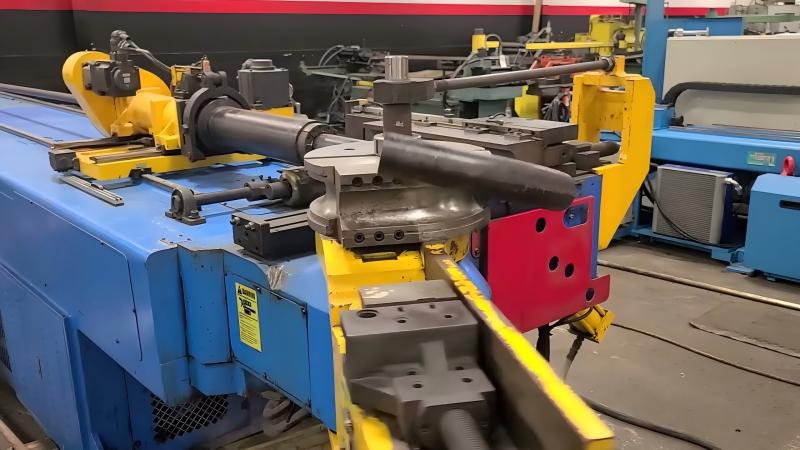
A tube bender’s belt system transfers power from the motor to key mechanical components. If belt maintenance is handled randomly or only after problems appear, small issues like tension loss or surface wear can quickly lead to slippage, vibration, or inaccurate bending angles. By scheduling Tube Bender Belt Maintenance correctly, I can prevent these issues before they affect production quality or machine reliability.
How Belt Condition Affects Tube Bender Performance
Belts that are too loose, misaligned, or worn unevenly reduce transmission efficiency. Over time, this leads to unstable rotation, inconsistent bending speed, and increased stress on bearings and couplings. A clear maintenance schedule allows me to identify these changes early and correct them before performance drops.
How to Create a Practical Tube Bender Belt Maintenance Schedule
Step 1: Identify Operating Conditions and Workload
Before setting any schedule, I always start by evaluating how the tube bender is used. Machines running multiple shifts, bending thick-wall tubes, or operating in dusty environments require more frequent belt inspections than lightly used machines. Tube Bender Belt Maintenance should always match real operating conditions rather than a fixed calendar alone.
Step 2: Set Routine Inspection Intervals
For most CNC tube benders, I recommend visual belt inspections every 250–300 operating hours. During these checks, I look for surface cracks, glazing, frayed edges, or rubber hardening. Regular inspections help me spot early wear patterns without stopping production for extended periods.
Step 3: Schedule Belt Tension Checks
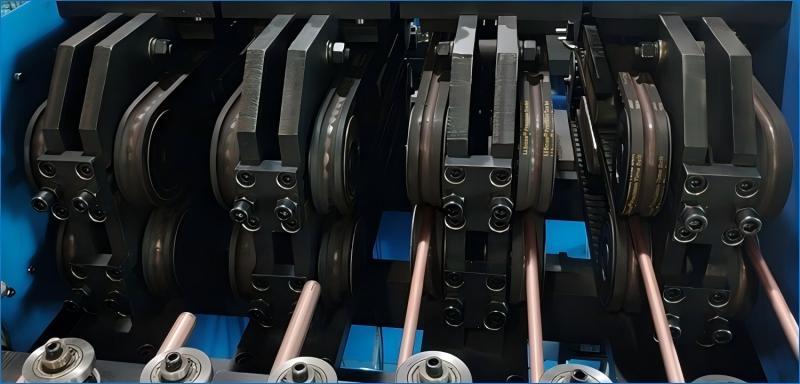
Belt tension changes naturally as belts stretch during operation. I schedule tension checks every 500 operating hours or once per month, whichever comes first. Proper tension ensures stable power transmission and reduces unnecessary load on pulleys and motor shafts. This step is a core part of effective Tube Bender Belt Maintenance.
Step 4: Align Belt and Pulley Systems
Misalignment is one of the most overlooked causes of premature belt failure. During scheduled maintenance, I verify pulley alignment using straight edges or laser alignment tools. Even small alignment errors can shorten belt life significantly, so I include this step in quarterly maintenance routines.
Preventive Maintenance Actions to Include in Your Schedule
Cleaning the Belt Drive Area
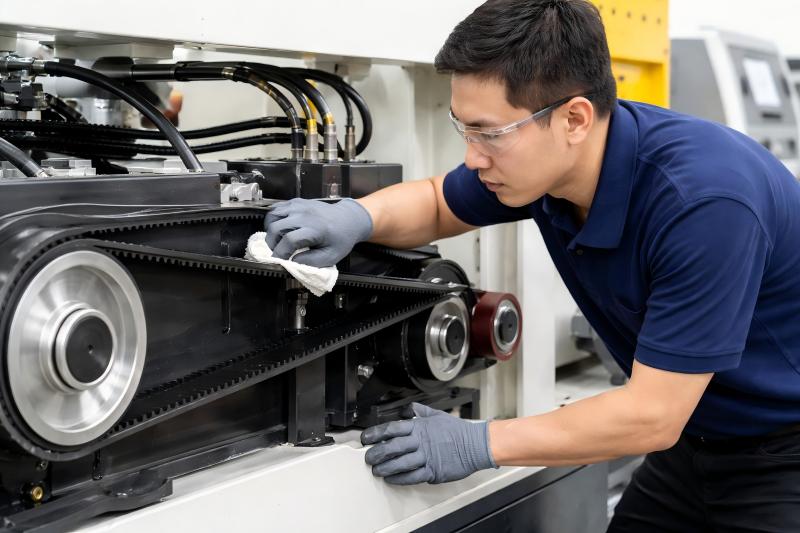
Dust, oil mist, and metal debris accelerate belt wear. I always include cleaning tasks in my Tube Bender Belt Maintenance schedule. Keeping the belt drive area clean improves belt grip and prevents contamination-related slippage.
Monitoring Noise and Vibration Changes
Unusual noise or vibration is often the first sign of belt-related problems. During routine operation, I listen for squealing or rhythmic vibrations. If detected, I move belt inspection forward rather than waiting for the next scheduled interval.
Recording Maintenance Data
I document inspection results, tension adjustments, and belt replacements. These records help me predict belt lifespan more accurately and fine-tune future Tube Bender Belt Maintenance schedules based on actual wear trends.
How Often Should Belts Be Replaced on Tube Benders?
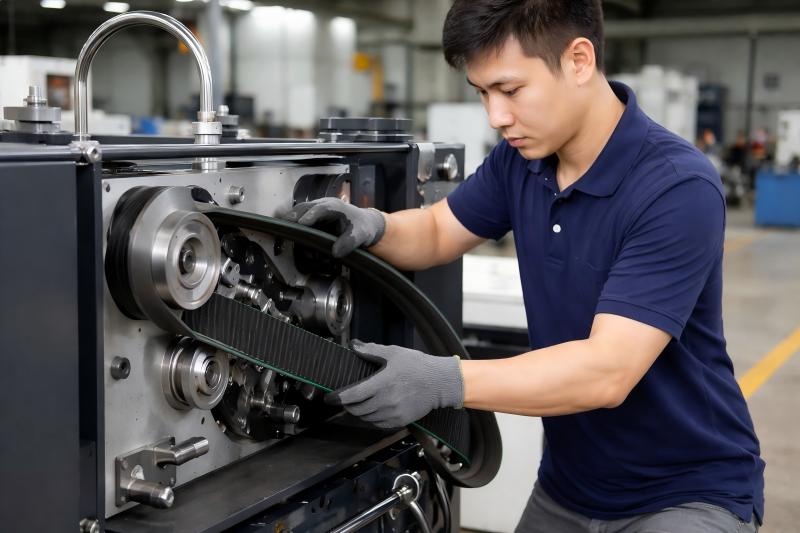
There is no universal replacement interval, but most belts last between 2,000 and 4,000 operating hours under normal conditions. Instead of relying only on hours, I base replacement decisions on inspection results. Scheduling planned replacements during low-production periods avoids emergency downtime.
Coordinating Belt Maintenance with Other Service Tasks
To reduce machine stoppages, I align Tube Bender Belt Maintenance with lubrication, sensor checks, and coupling inspections. Combining tasks improves efficiency and ensures all related components work together smoothly.
Common Mistakes in Tube Bender Belt Maintenance Scheduling
Waiting Until Failure Occurs
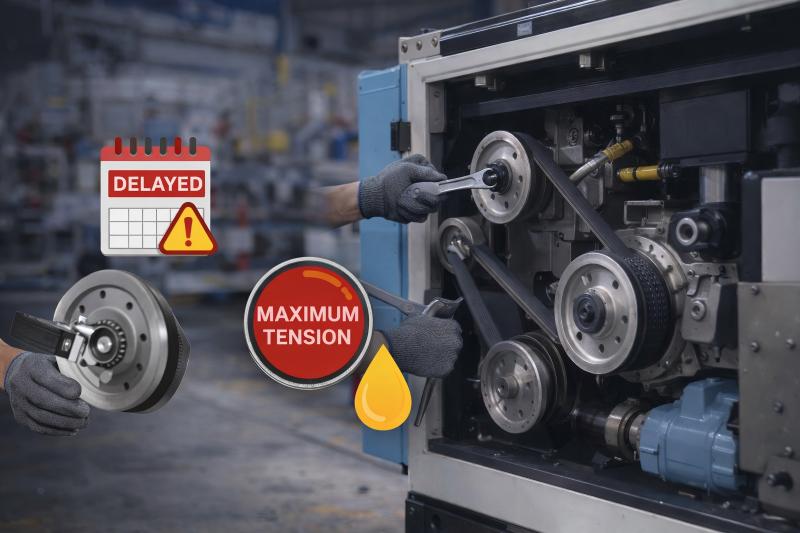
Reactive maintenance often leads to unplanned downtime and secondary damage. I’ve seen worn belts damage pulleys and overload motors simply because maintenance was delayed.
Over-Tightening Belts
More tension does not mean better performance. Over-tightening accelerates bearing wear and increases power loss. Proper scheduling includes correct tension—not maximum tension.
Ignoring Environmental Factors
High humidity, temperature changes, and oil exposure all affect belt lifespan. A good Tube Bender Belt Maintenance schedule adjusts for these factors rather than treating all environments the same.
FAQ
How often should Tube Bender Belt Maintenance be performed?
I recommend visual inspections every 250–300 operating hours and tension checks every 500 hours. Actual intervals should be adjusted based on workload and environment.
Can poor belt maintenance affect bending accuracy?
Yes. Slipping or uneven belt tension directly impacts rotational stability, which can cause inconsistent bend angles and reduced repeatability.
Should belts be replaced on a fixed schedule?
Not always. I rely on inspection data rather than fixed hours, replacing belts when wear indicators appear or performance starts to decline.
Conclusion
Scheduling Tube Bender Belt Maintenance properly is one of the most effective ways to protect machine accuracy, extend component life, and avoid unexpected downtime. By setting realistic inspection intervals, monitoring belt condition, and aligning maintenance with real operating conditions, I can keep tube benders running smoothly and predictably. If you need support creating a maintenance plan tailored to your specific tube bender model or production workload, feel free to contact our team or explore related maintenance documentation for sensors, couplings, and lubrication systems.


