


Tube Bender Cabinet Maintenance plays a critical role when tube bending machines suffer from unexpected alarms, unstable accuracy, or sudden shutdowns, as the root cause is often hidden inside the electrical cabinet. If you are looking for a clear, operator-focused checklist, this article provides exactly the guidance you need. Based on my experience, Tube Bender Cabinet Maintenance is one of the most overlooked yet most impactful aspects of daily and periodic inspection. In this guide, I’ll explain what operators should actually check inside the cabinet, why each item matters, and how these practical checks help reduce downtime, extend component life, and keep bending accuracy stable over time.
Why Tube Bender Cabinet Maintenance Matters for Daily Operation
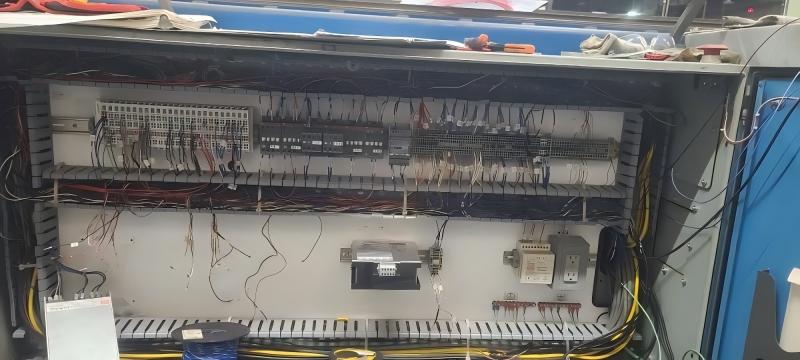
Electrical cabinets are the control center of CNC tube benders. They house PLCs, servo drives, power supplies, relays, and communication modules that directly affect motion control and machine safety. Proper Tube Bender Cabinet Maintenance helps operators detect early signs of failure before they escalate into costly breakdowns. Consistent checks also reduce electrical noise, overheating, and control instability, which are common causes of bending errors.
Daily Checks in Tube Bender Cabinet Maintenance
Check Cabinet Cleanliness and Dust Accumulation
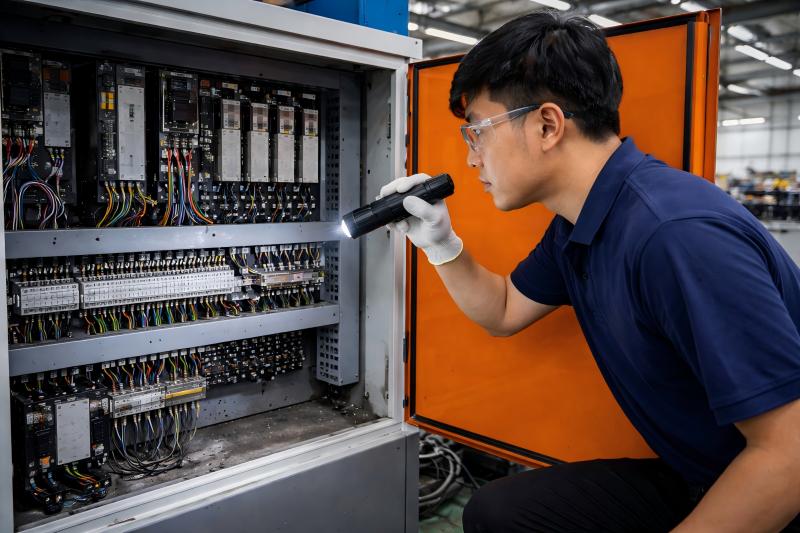
Dust, oil mist, and metal particles are silent enemies inside electrical cabinets. During daily Tube Bender Cabinet Maintenance, I always recommend opening the cabinet door briefly to visually inspect for dust buildup. Excess contamination can block airflow, trap heat, and lead to premature failure of drives and PLC modules. If dust is visible, use dry compressed air or a vacuum designed for electrical cabinets rather than wiping components by hand.
Inspect Indicator Lights and Alarm Status
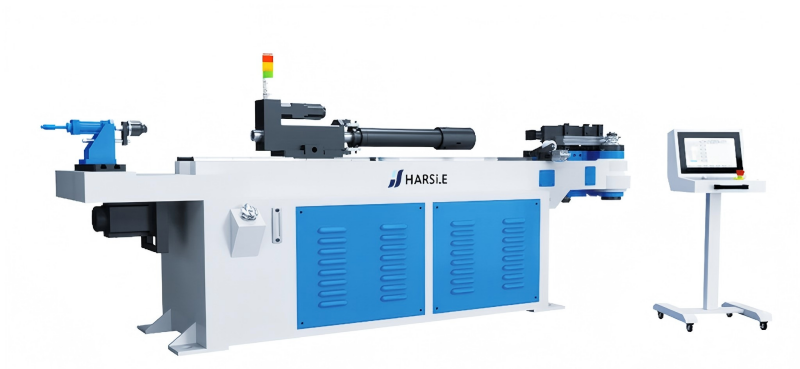
Most CNC tube benders provide real-time status through indicator LEDs on power supplies, servo drives, and PLC modules. As part of Tube Bender Cabinet Maintenance, operators should confirm that all indicators show normal operating conditions. Flickering lights, abnormal colors, or unlit indicators often signal voltage instability or internal faults that deserve immediate attention.
Monitor Cooling Fan Operation
Cooling fans are critical for maintaining stable cabinet temperatures. During daily Tube Bender Cabinet Maintenance, listen for unusual noise and visually confirm that fans are spinning freely. A failed fan can quickly cause overheating, triggering servo alarms or unexpected shutdowns. Early detection helps avoid thermal damage to sensitive electronics.
Weekly Checks for Tube Bender Cabinet Maintenance
Inspect Cable Connections and Terminal Tightness

Vibration from continuous bending operations can loosen electrical terminals over time. In weekly Tube Bender Cabinet Maintenance, I recommend checking accessible terminal blocks, grounding connections, and plug-in connectors. Loose connections can cause intermittent faults that are difficult to diagnose and may lead to inconsistent machine behavior.
Check Grounding and Shielding Integrity
Proper grounding is essential for signal stability and operator safety. Tube Bender Cabinet Maintenance should include verifying that grounding wires are intact and securely fastened. Shielded cables for encoders and communication lines should also be inspected for damage or improper routing that could introduce electrical noise.
Review Temperature and Humidity Conditions
Electrical cabinets are designed to operate within specific environmental limits. As part of Tube Bender Cabinet Maintenance, operators should check temperature readings and ensure cabinet heaters or air conditioners are functioning correctly if installed. Excess humidity can lead to condensation and corrosion on circuit boards.
Monthly and Periodic Tube Bender Cabinet Maintenance Tasks
Clean or Replace Cabinet Filters

Air filters prevent dust from entering the cabinet but gradually become clogged. Regular Tube Bender Cabinet Maintenance includes cleaning or replacing these filters according to operating conditions. Clean filters improve airflow and reduce thermal stress on electronic components.
Inspect Servo Drives and Power Supplies
Servo drives and power supplies are among the most critical and expensive components. During scheduled Tube Bender Cabinet Maintenance, operators should look for warning indicators, discoloration, or unusual odors. These signs often precede component failure and should be reported before production is affected.
Verify Backup Batteries and Memory Retention
Many CNC tube benders rely on backup batteries to retain parameters and programs. Tube Bender Cabinet Maintenance should include periodic checks of battery status and replacement intervals. A failed battery can result in data loss and extended downtime during recovery.
Common Operator Mistakes in Tube Bender Cabinet Maintenance
Skipping Inspections During Busy Production
One of the most common issues I see is neglecting Tube Bender Cabinet Maintenance when production schedules are tight. Unfortunately, skipped inspections often lead to unexpected downtime at the worst possible moment. Short, consistent checks are far more effective than infrequent, rushed inspections.
Improper Cleaning Methods
Using wet cloths or aggressive solvents inside the cabinet can damage electronics. Tube Bender Cabinet Maintenance should always rely on dry, non-conductive cleaning tools designed for electrical environments.
FAQs
How often should Tube Bender Cabinet Maintenance be performed?
Basic visual checks should be done daily, connection and grounding checks weekly, and deeper inspections monthly or according to the manufacturer’s maintenance schedule.
Can Tube Bender Cabinet Maintenance reduce servo alarms?
Yes. Regular maintenance helps prevent overheating, loose connections, and electrical noise, which are common causes of servo and PLC alarms.
What is the most critical item to check in Tube Bender Cabinet Maintenance?
Cooling and cleanliness are the most critical. Poor airflow and contamination accelerate component failure and reduce system stability.
Should operators adjust electrical parameters during maintenance?
Operators should not change parameters unless trained and authorized. Tube Bender Cabinet Maintenance focuses on inspection, cleaning, and early fault detection rather than system tuning.
Conclusion
Effective Tube Bender Cabinet Maintenance is not complicated, but it requires consistency and attention to detail. By performing daily visual checks, weekly connection inspections, and periodic cleaning and component reviews, operators can significantly reduce electrical failures and improve machine reliability. These practices help maintain bending accuracy, protect expensive components, and keep production running smoothly. If you need detailed maintenance guidelines, spare parts support, or professional service advice, feel free to contact the HARSLE technical team or explore our related documentation for deeper insights.


