


Tube Bender Cleaning Rust Prevention is usually the first topic I address when customers ask how to keep their tube bending machines in reliable condition over long periods of operation. Rust and contamination are two of the most common hidden issues that gradually reduce bending accuracy, damage tooling, and shorten machine life. In this article, I’ll share the most effective methods for cleaning tube benders and preventing rust, based on real maintenance experience. Whether you operate a CNC tube bender or a hydraulic tube bending machine, these practices will help you maintain stable performance, minimize downtime, and protect your investment over the long term.
Why Tube Bender Cleaning Rust Prevention Is Essential
Tube benders operate in demanding industrial environments where moisture, metal dust, lubricants, and residue are unavoidable. Without proper tube bender cleaning rust prevention, corrosion can develop on guide rails, clamps, mandrels, and structural components. Rust not only affects surface appearance but also increases friction, causes inaccurate bending angles, and accelerates mechanical wear. Regular cleaning and rust prevention directly improve bending consistency, machine reliability, and service life.
Daily Tube Bender Cleaning Methods to Prevent Rust
Removing Metal Chips and Dust After Each Shift
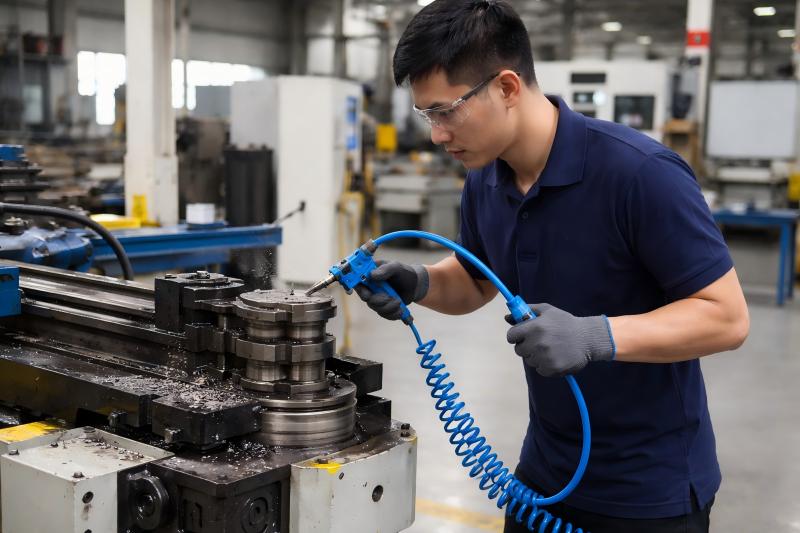
Metal chips and fine dust often accumulate around the bending area, clamping units, and linear guides. I always recommend removing these contaminants at the end of each shift using compressed air or a soft industrial brush. Avoid blowing debris directly into bearings or electrical cabinets. This simple daily habit is one of the most effective tube bender cleaning rust prevention methods.
Wiping Exposed Metal Surfaces
After cleaning loose debris, exposed metal surfaces such as guide rails, clamp arms, and mandrel rods should be wiped with a clean, dry cloth. If moisture or coolant residue is present, use a slightly oiled cloth to leave a thin protective film. This prevents oxidation caused by humidity and temperature changes.
Weekly Deep Cleaning for Tube Bender Rust Prevention
Cleaning Guide Rails and Linear Bearings
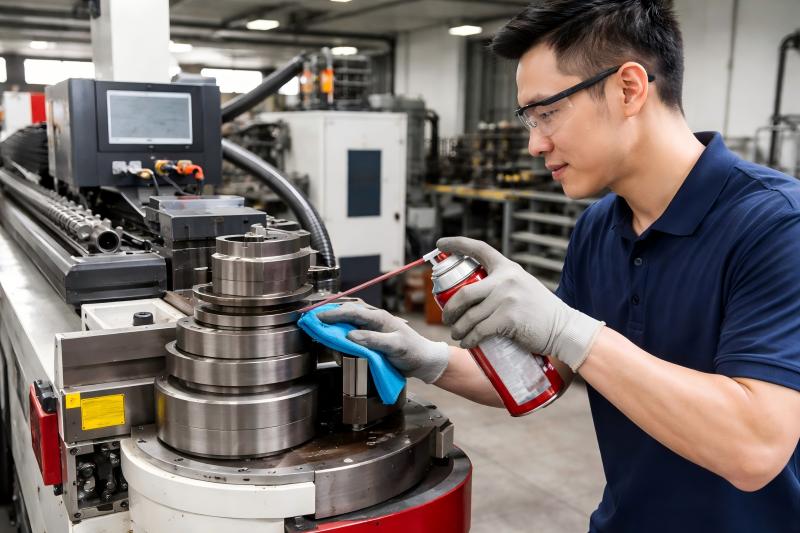
Guide rails are critical for bending accuracy. I suggest cleaning them weekly using a lint-free cloth and a mild industrial cleaner designed for machine tools. Avoid aggressive solvents that may damage seals. After cleaning, apply the recommended lubricant evenly to ensure smooth movement and long-term rust prevention.
Inspecting and Cleaning the Mandrel System
The mandrel system is especially vulnerable to rust because it comes into direct contact with lubricants and metal particles. Remove the mandrel periodically, clean it thoroughly, and inspect it for surface corrosion. A light coat of anti-rust oil before reinstallation significantly improves tube bender cleaning rust prevention results.
Proper Use of Lubricants for Rust Prevention
Choosing the Right Lubricant

Not all lubricants provide rust protection. I always advise using lubricants that offer both friction reduction and corrosion resistance. High-quality guideway oil and mandrel lubricants form a protective layer that blocks moisture and oxygen from metal surfaces.
Avoiding Over-Lubrication
Over-lubrication attracts dust and debris, which can accelerate wear instead of preventing rust. Apply lubricants according to the manufacturer’s guidelines, focusing only on necessary contact areas. Controlled lubrication plays an important role in effective tube bender cleaning rust prevention.
Environmental Control to Reduce Corrosion Risks
Managing Workshop Humidity
High humidity is one of the main causes of rust. If your workshop environment is damp, consider installing dehumidifiers or improving ventilation. Even basic humidity control can dramatically reduce corrosion risks and support long-term tube bender rust prevention.
Proper Machine Storage During Downtime
If a tube bender will be idle for an extended period, I recommend performing a full cleaning, applying anti-rust oil to exposed parts, and covering the machine with a breathable protective cover. This step is often overlooked but is extremely effective for preventing rust during downtime.
Long-Term Preventive Maintenance for Tube Benders
Scheduled Inspections
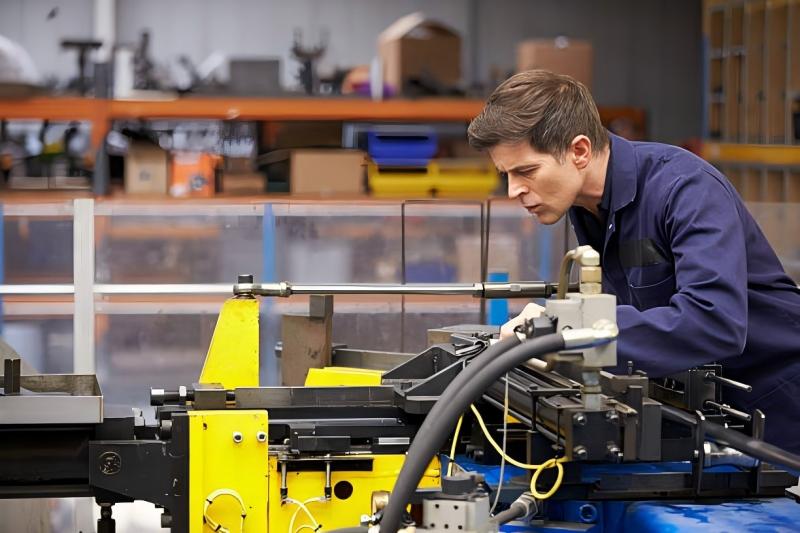
Regular inspections help detect early signs of rust before they become serious problems. Check bolts, frames, and hidden corners where moisture may accumulate. Early intervention saves repair costs and ensures stable operation.
Using Protective Coatings
For machines operating in harsh environments, applying protective coatings or rust inhibitors to non-moving structural parts can further enhance tube bender cleaning rust prevention. These coatings act as an additional barrier against corrosion.
FAQs
How often should Tube Bender Cleaning Rust Prevention be performed?
Basic cleaning should be done daily, while deeper cleaning and lubrication should be performed weekly. A comprehensive rust prevention check is recommended monthly or during scheduled maintenance.
Can improper cleaning cause rust on a tube bender?
Yes. Using water-based cleaners without proper drying or leaving residue on metal surfaces can accelerate rust formation. Always dry surfaces thoroughly and apply protective lubrication.
Are CNC tube benders more sensitive to rust than manual machines?
CNC tube benders have more precision components, such as linear guides and sensors, which makes proper tube bender cleaning rust prevention even more critical to maintain accuracy and reliability.
Conclusion
Effective Tube Bender Cleaning Rust Prevention is not complicated, but it does require consistency and the right methods. By combining daily cleaning, proper lubrication, environmental control, and scheduled inspections, you can significantly reduce corrosion risks and extend the life of your tube bending machine. If you need professional guidance, maintenance recommendations, or support for your specific tube bender model, feel free to contact the HARSLE team or explore our related documentation for more in-depth maintenance solutions.


