


When it comes to achieving consistent precision in metal fabrication, Tube Bender Daily Maintenance plays a much bigger role than many operators realize. If you’re trying to understand why your tube bender gradually loses accuracy or why bending angles start to drift even though no settings were changed, you’re in the right place. In this article, I’ll explain how daily maintenance directly affects bending precision, machine stability, and long-term performance. By understanding what to check each day and how small routines prevent bigger issues, you can maintain accuracy, avoid costly downtime, and extend the life of your tube bending machine.
How Tube Bender Daily Maintenance Supports Long-Term Accuracy
Daily Visual Checks for Accuracy Stability
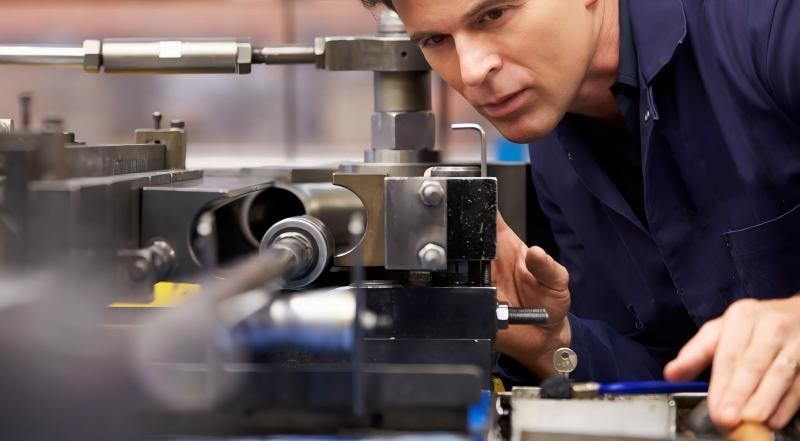
Before starting any bending operation, I always perform a quick visual inspection. This includes checking whether the mandrel, wiper die, and clamping assemblies are properly seated, free from wear, and correctly positioned. Even slight misalignment can cause angle deviations or tube deformation. By inspecting contact points, sliding rails, and wear surfaces every day, it becomes much easier to spot early issues before they impact bending accuracy.
Cleaning Procedures for High-Precision Tube Bending
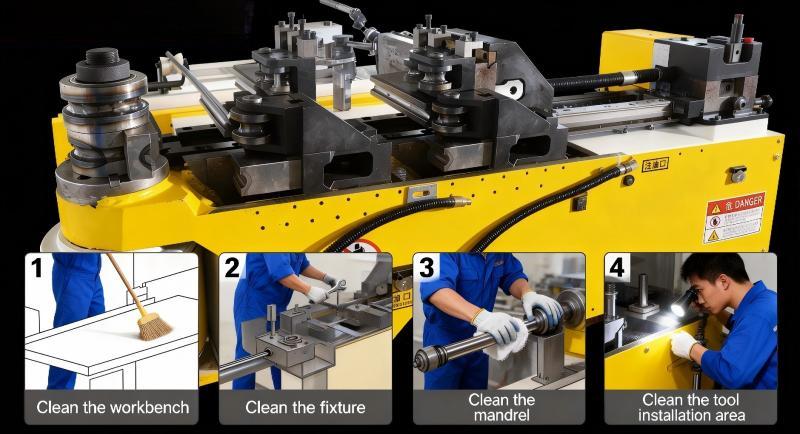
Dust, metal shavings, and residue buildup are silent enemies of precision. When the machine’s guides and sliding components accumulate contaminants, friction increases and movement becomes inconsistent. I clean the worktable, clamps, mandrel rod, and tool mounting areas daily to ensure smooth motion. This simple step is one of the easiest ways to preserve accuracy and prevent long-term mechanical wear.
Lubrication Steps for Consistent Mandrel and Clamp Performance
Accurate bending depends heavily on consistent lubrication—especially for mandrel rods, ball screws, bushings, and guide rails. When lubrication dries out, the machine struggles to maintain stable force distribution, resulting in inconsistent bend angles. I apply the recommended amount of lubricant to all contact surfaces daily and verify that automatic lubrication systems are functioning correctly. This prevents metal-to-metal friction, overheating, and precision loss.
How Proper Calibration Improves Tube Bending Accuracy
Mandrel and Wiper Die Alignment for Precision Bending

If the mandrel or wiper die is slightly misaligned, it can cause wrinkles, flattening, or inaccurate bending angles. I routinely check alignment using a calibrated measuring tool, ensuring that all tooling components are centered and seated properly. Even tiny deviations can multiply across hundreds of bends, so verifying alignment daily helps maintain precise output.
Checking Clamp Pressure for Correct Material Handling
Inconsistent clamping pressure is one of the most common causes of accuracy problems. Too much pressure leaves marks or deforms the tube; too little pressure causes slipping. As part of daily maintenance, I verify clamp pressure settings according to material thickness and diameter. This ensures stable bending force and more repeatable results.
Back-Gauge and Axis Calibration for High-Accuracy Bends
The back-gauge position and axis calibration significantly influence bending repeatability. I check for backlash, abnormal noise, sudden jumps during movement, or slow response. Daily calibration checks ensure that the XYZ or multi-axis system operates smoothly and maintains accurate positioning throughout production.
Preventive Measures to Avoid Accuracy Degradation
Early Detection of Wear on Tooling Components
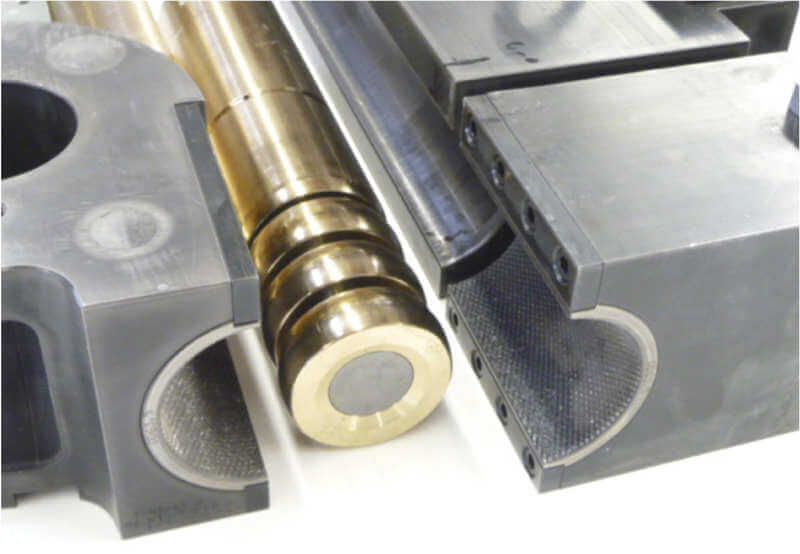
Tooling wear happens gradually, but its impact on accuracy can be sudden. I examine mandrel tips, pressure dies, clamp dies, and bending dies for scratches, wear lines, or edge rounding. Replacing worn tooling early prevents cumulative accuracy errors and avoids defective output.
Monitoring Hydraulic and Electrical System Stability
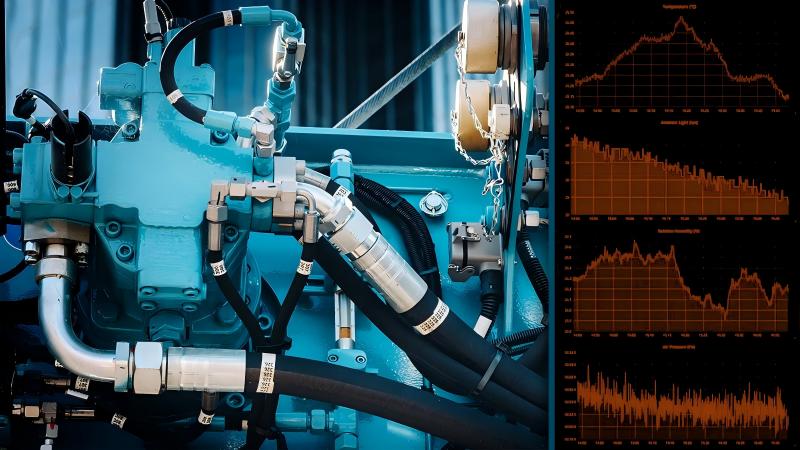
Hydraulic pressure fluctuations or electrical instability can directly affect bend angle accuracy. I monitor hydraulic oil levels, inspect for leaks, and ensure all electrical connections remain secure. Stable system performance ensures that the bending force remains consistent throughout the cycle.
Ensuring Machine Level and Structural Integrity
A tube bender that is not properly leveled can produce inaccurate bends even when everything else seems correct. I periodically check for machine foundation shifts or vibration issues. Keeping the machine stable prevents stress on moving parts and improves accuracy.
FAQ
How does Tube Bender Daily Maintenance help maintain bending accuracy?
Daily maintenance ensures that tooling, lubrication, alignment, and system performance remain stable. By addressing small issues early, I can prevent deviations in bend angles and maintain consistent accuracy across long production runs.
What should be included in Tube Bender Daily Maintenance?
I check tooling alignment, clean contact surfaces, verify lubrication, inspect clamps and mandrels, monitor hydraulic levels, and ensure the machine is stable and vibration-free. These steps form the core of a reliable daily routine.
How often should I calibrate my tube bender for accurate results?
Light calibration checks should be performed daily, while full calibration should be done according to the manufacturer’s schedule or whenever accuracy begins to drift.
Can poor lubrication affect tube bending accuracy?
Yes. Insufficient lubrication increases friction, causes inconsistent movement, and leads to inaccurate bend angles. Proper lubrication is essential for smooth and precise bending.
Conclusion
Tube bender Daily maintenance is one of the most effective ways to preserve bending accuracy and prevent long-term machine issues. By incorporating simple routines—cleaning, lubrication, alignment checks, and system inspections—I can ensure stable performance, reduce downtime, and extend the life of the tube bender. If you’d like more guidance or need support selecting the right maintenance tools or procedures, feel free to explore additional documentation or contact the HARSLE team for expert assistance.


