


Tube Bender Electrical Cabinet cooling is a crucial factor for preventing overheating, protecting components, and maintaining stable machine performance. If you are dealing with rising temperature, unexpected shutdowns, or electrical errors inside the cabinet, optimizing the airflow design can significantly improve reliability. In this guide, I’ll walk you through how airflow circulation functions, the main reasons heat accumulates, and practical methods to upgrade cooling efficiency. By adjusting airflow direction, selecting the right cooling components, and performing regular maintenance, you can ensure consistent operation and reduce costly downtime.
Why Airflow Matters in Tube Bender Electrical Cabinet Cooling
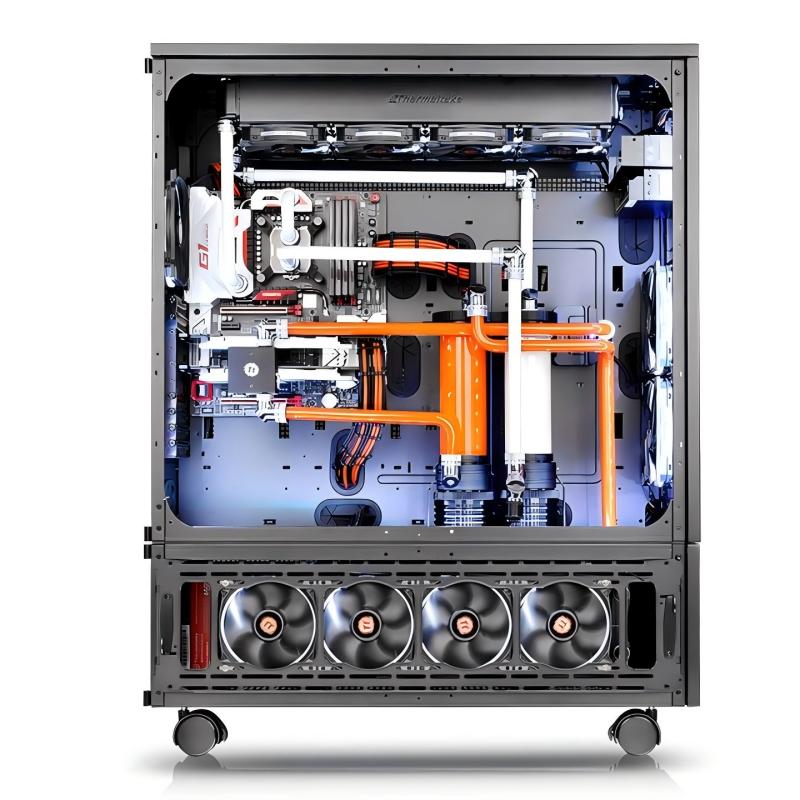
Effective airflow prevents thermal overload, protects sensitive electronics, and ensures stable tube bending performance. Poor airflow causes heat accumulation around servo drives, power supplies, and PLC modules, resulting in alarm triggers, longer cooling time, and shortened component lifespan.
How Heat Builds Up Inside a Tube Bender Electrical Cabinet
The Tube Bender Electrical Cabinet houses multiple electronics that continuously generate heat. When airflow is blocked or insufficient:
- Filters clog and restrict intake flow
- Fan blades wear and lose efficiency
- Wire bundles obstruct exhaust paths
- Cabinet doors trap heat when sealed without ventilation
Knowing these causes allows you to troubleshoot systematically and implement permanent improvements.
How to Improve Airflow for Tube Bender Electrical Cabinet Layout
Positioning Intake and Exhaust Fans Correctly
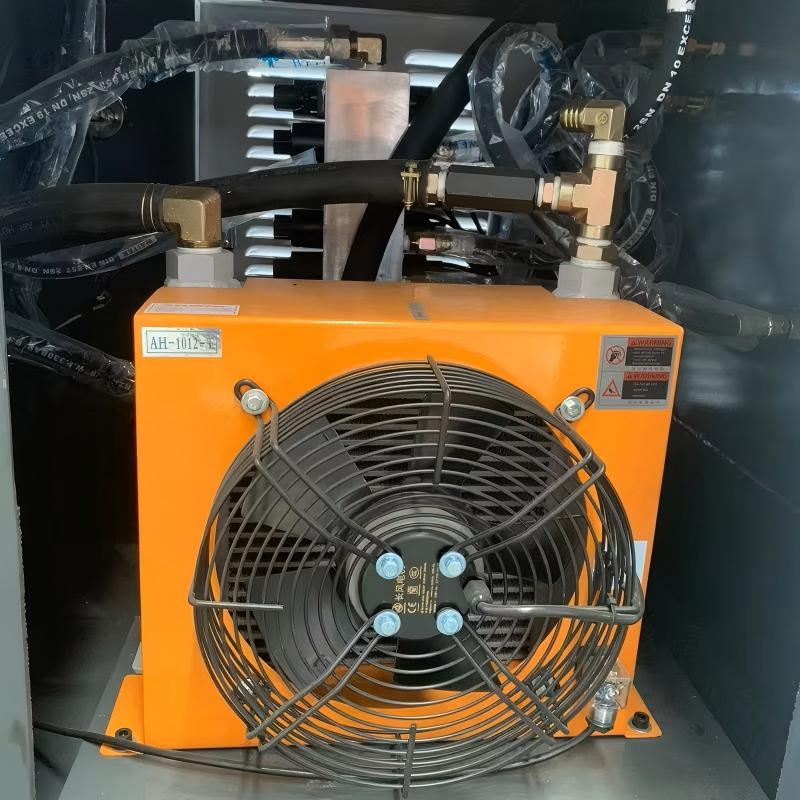
Place intake fans near the bottom of the electrical cabinet to pull in cooler air and exhaust fans near the top to release hot air. Hot air rises naturally, so optimizing fan placement increases airflow efficiency without mechanical upgrades. Ensure airflow travels in one direction—from intake to exhaust—to avoid turbulence.
Removing Internal Obstructions to Strengthen Airflow Path
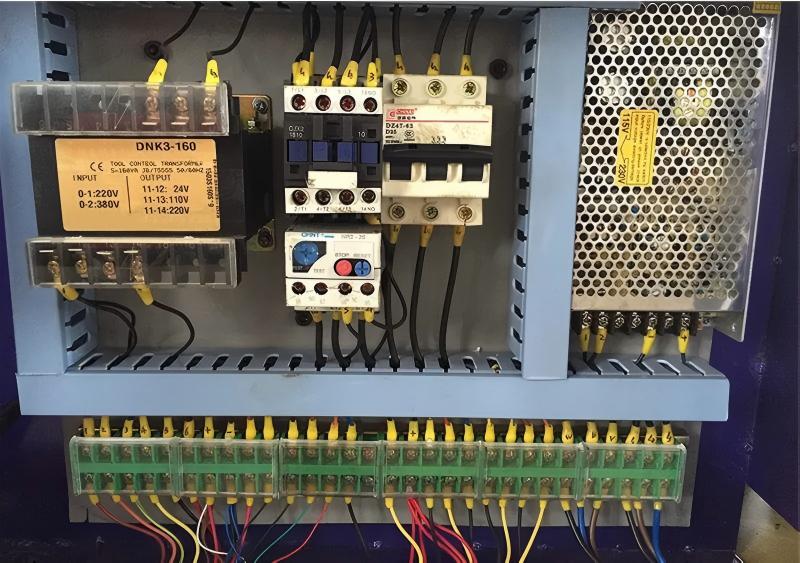
Inside the Tube Bender Electrical Cabinet, large wire bundles or poorly routed cables block the cooling path. Organize wiring with cable trays and label paths to reduce disruption. Keeping internal airflow channels open improves circulation and reduces heat pockets around high-load components.
Installing High-Efficiency Filters and Regular Cleaning
Dust is a major airflow barrier. Fine metal particles from workshop environments quickly clog filters. Use:
- Washable mesh filters for general environments
- HEPA filters for laser cutting or grinding facilities
Clean filters every 2–4 weeks depending on production volume. Clean fans every 3–6 months to avoid blade drag.
Upgrading Cooling Components for Better Cabinet Performance
When to Replace Fans with High-Performance Models
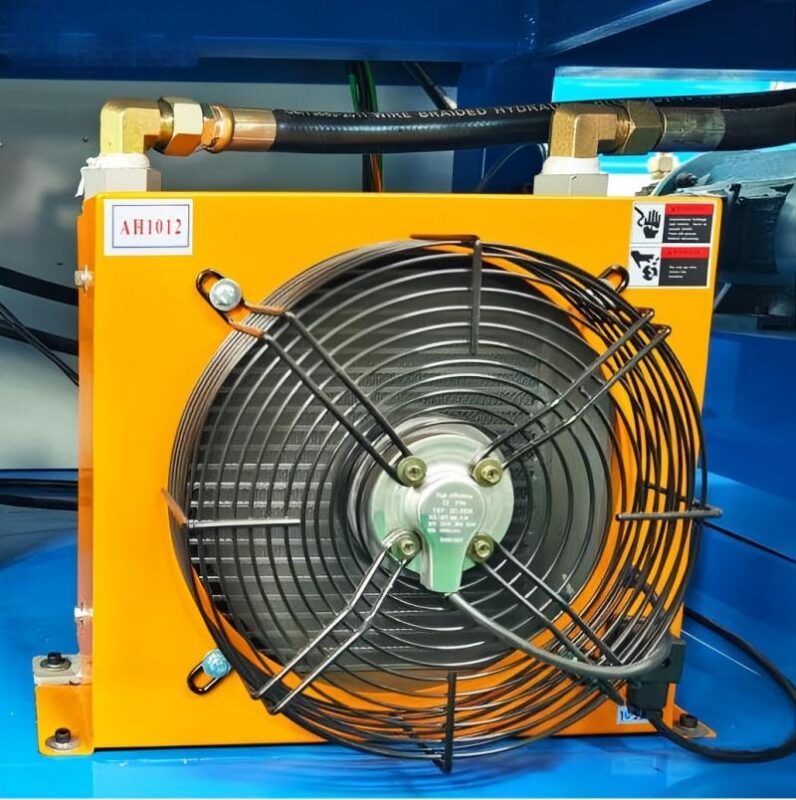
If your Tube Bender Electrical Cabinet operates in high temperature climates or near heat sources like furnaces or welding equipment, consider:
- Variable-speed cooling fans
- Larger diameter fans
- Fans with sealed bearings for dusty environments
High-performance fans move more air with lower vibration and longer service life.
Adding Heat Exchangers or Dedicated Cooling Units

For heavy-duty CNC tube benders, natural airflow may not be enough. Installing:
- Air-to-air heat exchangers
- Air-conditioning cooling units
- Thermoelectric coolers for sensitive control modules
These systems stabilize temperature even during summer overload or peak production.
Preventive Maintenance to Maintain Strong Airflow
Routine Inspections and Long-Term Care
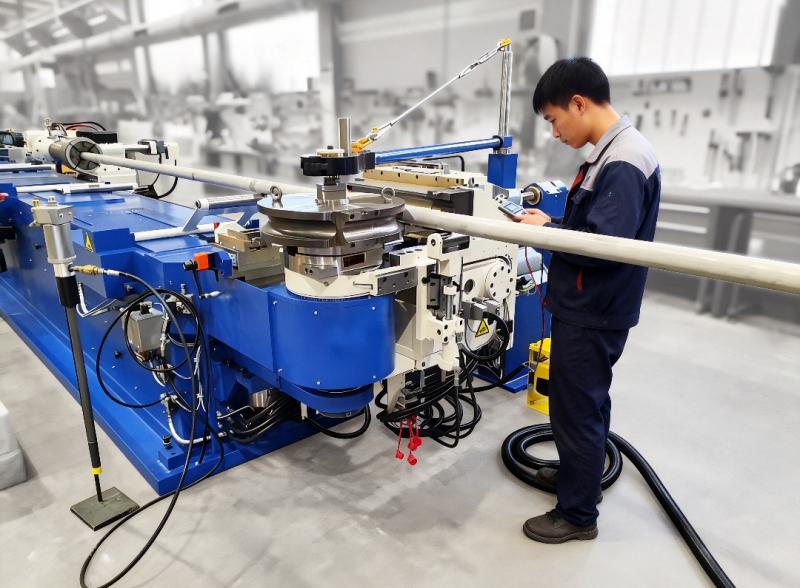
Regular inspection prevents sudden failure. Include the Tube Bender Electrical Cabinet in your preventive maintenance schedule by:
- Testing fan speed
- Reviewing thermal alarms
- Checking filter wear
- Monitoring wiring insulation
Add thermal cameras during inspections to detect hotspots early.
FAQ
What is the ideal operating temperature for a Tube Bender Electrical Cabinet?
Most electrical cabinets perform best between 5°C–35°C. Exceeding these limits increases risk of failure and component burnout.
How often should I clean cooling fans and filters?
Clean fans every 3–6 months and filters every 2–4 weeks depending on workshop dust levels.
Can I leave the cabinet door open to reduce temperature?
Leaving the door open exposes electronics to dust, moisture, and vibration damage. It is not recommended as a long-term solution.
What causes airflow reduction inside the cabinet?
Clogged filters, worn fan bearings, improper ventilation layout, and cable obstruction are the most common reasons.
Conclusion
Improving airflow for your Tube Bender Electrical Cabinet is one of the most cost-effective ways to prevent overheating and protect critical components. By optimizing fan placement, maintaining clean filters, reducing internal obstructions, and upgrading cooling systems when necessary, you can significantly extend machine lifespan and stabilize production quality. If you need tailored cooling solutions or have questions about electrical cabinet performance, feel free to contact our engineering support team. Our specialists are here to help you maintain your tube bender at peak efficiency.
You have not enough Humanizer words left. Upgrade your Surfer plan.


