


When customers ask me when they should perform a Tube Bender Emergency Check after installation, my answer is always very direct: not just once, and not only when something goes wrong. A Tube Bender Emergency Check should be carried out at several critical moments after installation to ensure operator safety, machine stability, and long-term bending accuracy. In this article, I’ll explain exactly when these emergency checks are required, why each timing matters, and how they help you prevent early failures, unexpected downtime, and safety risks. If you want a safe and smooth start-up for your CNC tube bending machine, this guide will give you clear, practical direction.
Why Timing Matters for a Tube Bender Emergency Check
A Tube Bender Emergency Check is not a one-time task. From my experience in real factory environments, many accidents and machine faults happen not because the machine is poorly designed, but because emergency checks are skipped or delayed. Installation introduces multiple risk factors, including electrical connections, hydraulic pressure changes, and software initialization. Performing emergency checks at the right time helps you identify hidden issues before they escalate into serious problems.

Tube Bender Emergency Check Immediately After Installation
Checking Emergency Stop Systems Before Power-On
The first Tube Bender Emergency Check should be performed immediately after mechanical installation and before full power-on. I always start by verifying that all emergency stop buttons are correctly wired and responsive. Pressing any emergency stop must instantly cut off machine movement and stop hydraulic or servo actions. This step is critical because emergency stop failures are often invisible until an actual emergency occurs.

Inspecting Safety Guards and Interlock Devices
At this stage, I also check safety doors, light curtains, and interlock switches. Opening a safety door should prevent machine operation entirely. If the tube bender allows movement while a guard is open, the emergency system is not functioning correctly and must be corrected before proceeding.
Tube Bender Emergency Check During Initial Power-On
Monitoring Control System Alarms and Signals
Once the machine is powered on, another Tube Bender Emergency Check is required. I pay close attention to the CNC controller for alarm messages related to safety circuits, servo drives, or hydraulic pressure. Even minor warning signals during initial startup can indicate wiring issues or incorrect parameter settings.
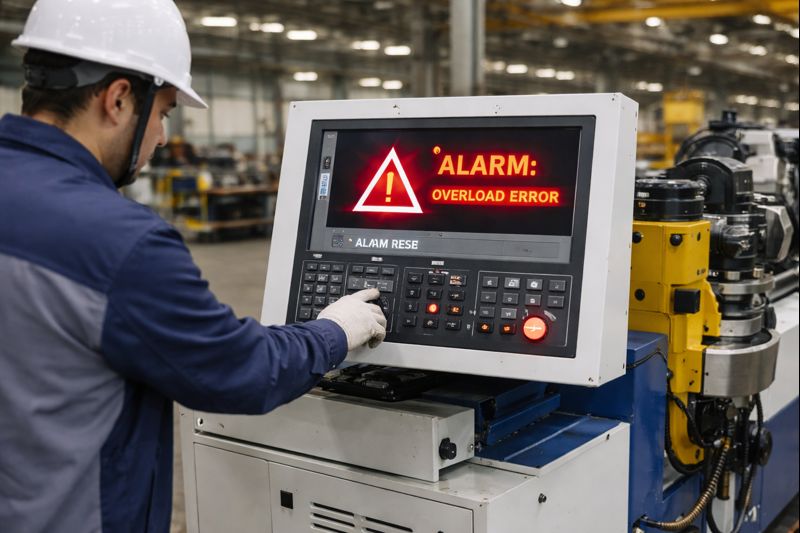
Testing Emergency Stop Response Under Power
With power applied, I test each emergency stop again. The response time should be immediate, and the controller should display a clear emergency stop status. Delayed responses or inconsistent signals are signs that the safety loop needs adjustment or repair.
Tube Bender Emergency Check Before Trial Bending
Verifying Axis Movement Limits
Before running any bending program, I always perform a Tube Bender Emergency Check focused on axis movement limits. This includes checking whether the machine stops correctly when an emergency stop is triggered during axis jogging. This step helps prevent collisions between the bending arm, clamp die, and pressure die during actual production.
Confirming Hydraulic and Servo Pressure Safety
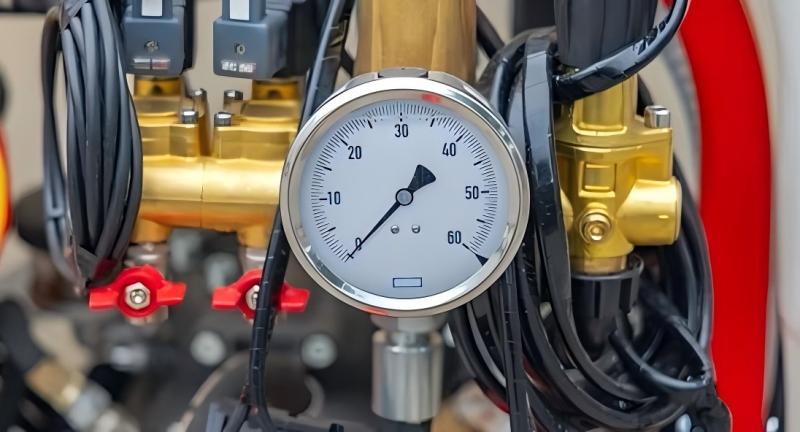
Hydraulic pressure and servo torque settings should remain within safe limits during emergency stop activation. I make sure that pressure is released smoothly and that there is no sudden rebound or delayed movement after stopping. This is essential for preventing structural damage and operator injury.
Tube Bender Emergency Check After First Trial Run
Observing Emergency Behavior Under Load
After the first trial bending cycle, another Tube Bender Emergency Check is necessary. I test emergency stops while the machine is under real bending load. The tube bender must stop safely without twisting the tube, overloading the mandrel, or causing tooling damage. Emergency performance under load often reveals issues that do not appear during idle testing.
Checking Reset and Restart Procedures
I also verify the reset procedure after an emergency stop. The machine should not restart automatically. A manual reset and confirmation sequence is required to ensure operator awareness and safety. Incorrect restart behavior is a common risk factor in early-stage installations.
Tube Bender Emergency Check During the First Week of Operation
Rechecking After Operator Training
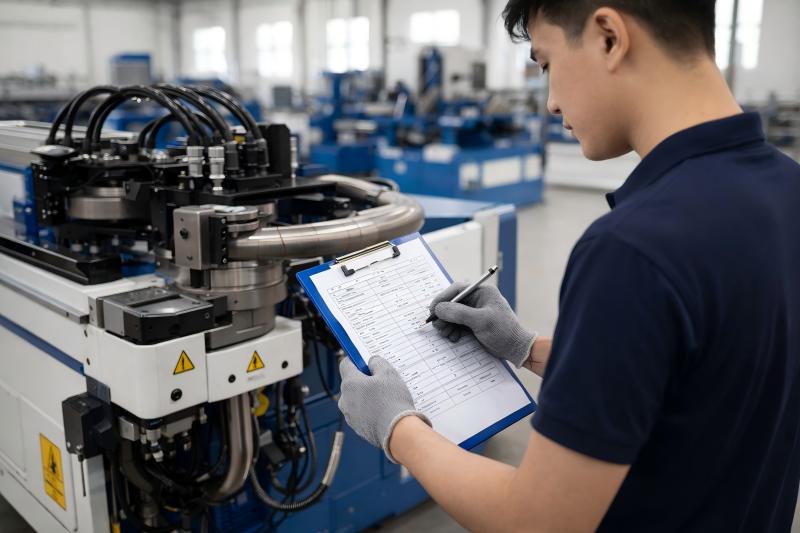
During the first week of operation, I always recommend performing another Tube Bender Emergency Check after operators have been trained. New operators may notice practical issues related to emergency access, button placement, or reaction time. Their feedback helps refine safety procedures and confirms that emergency systems are user-friendly and effective.
Identifying Early Wear or Loosened Connections
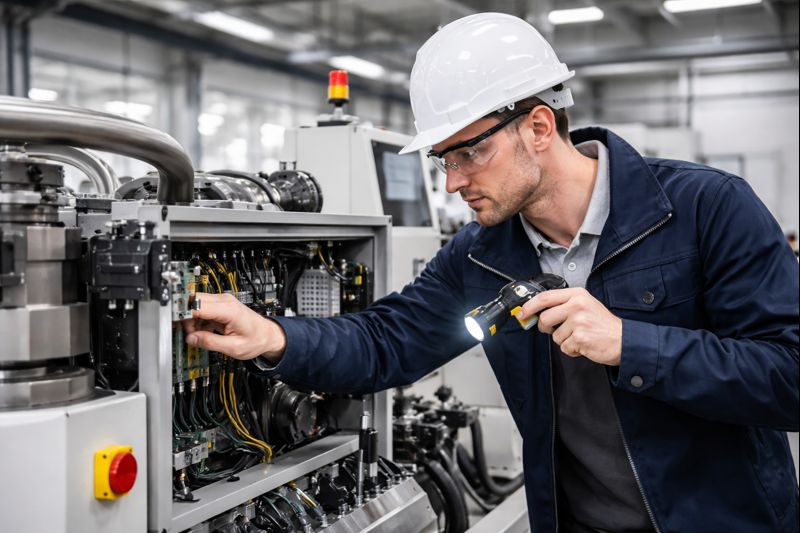
Vibration and repeated movement during early production can loosen electrical terminals or mechanical switches. A follow-up emergency check helps identify early wear, misalignment, or signal instability before it affects safety performance.
Tube Bender Emergency Check After Software or Parameter Changes
Ensuring Safety Logic Remains Intact
Any software update, parameter modification, or program optimization should be followed by a Tube Bender Emergency Check. I have seen cases where safety logic was unintentionally affected by control changes. Verifying emergency stop behavior after software adjustments ensures that safety functions remain intact.
Testing Emergency Functions in Automatic Mode
It’s especially important to test emergency stops while the tube bender is running in automatic mode. Emergency response in manual mode does not always reflect behavior during automatic production cycles.
FAQs
How many times should I perform a Tube Bender Emergency Check after installation?
From my experience, you should perform a Tube Bender Emergency Check at least five times: after mechanical installation, during power-on, before trial bending, after the first trial run, and within the first week of production. Additional checks are required after any software or parameter changes.
Can I skip a Tube Bender Emergency Check if the machine passed factory testing?
No. Factory testing does not account for on-site installation conditions, wiring differences, or floor stability. A Tube Bender Emergency Check after installation is essential to confirm real operating safety.
Who should perform the Tube Bender Emergency Check?
Ideally, the check should be performed by an installation engineer together with the site maintenance team. Operators should also be involved so they understand emergency procedures clearly.
Does a Tube Bender Emergency Check affect bending accuracy?
Yes. Proper emergency stop behavior protects tooling alignment, axis calibration, and mandrel positioning. Poor emergency response can cause hidden mechanical stress that affects long-term bending accuracy.
Conclusion
Knowing when to perform a Tube Bender Emergency Check after installation is just as important as knowing how to perform it. By carrying out emergency checks at every critical stage—from initial installation to early production—you significantly reduce safety risks, prevent early machine failures, and protect long-term bending accuracy. A disciplined emergency check routine gives both operators and managers confidence in daily production. If you need detailed emergency check procedures or professional support after installation, feel free to contact the HARSLE technical team or explore our related documentation for deeper guidance.


