


Tube Bender Gear Maintenance is often the key factor behind unexpected tube bending machine failures, even though many people initially suspect hydraulic or electrical issues. Based on my hands-on experience with CNC tube bending equipment, gear and chain systems are frequently overlooked despite playing a decisive role in machine reliability. If you’re looking for practical ways to reduce downtime, avoid expensive repairs, and maintain consistent bending accuracy, this article is designed to help. I’ll explain how gear and chain mechanisms function inside tube benders, which maintenance actions truly make a difference, and how a preventive approach can stop small signs of wear from developing into serious breakdowns.
Why Tube Bender Gear Maintenance Is Critical for Reliability
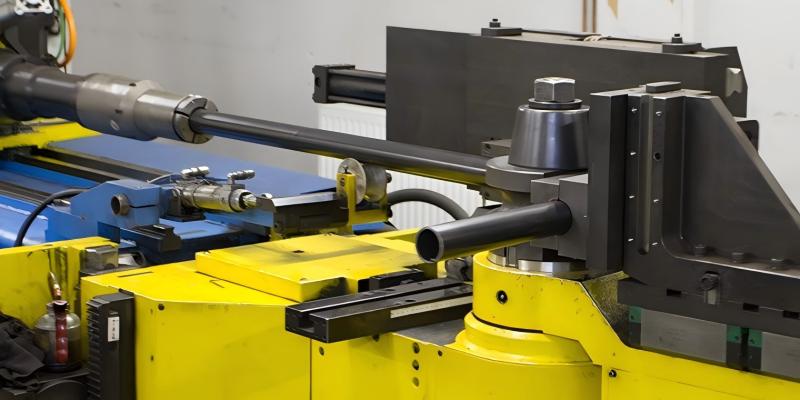
Gears and chains transmit torque from the motor to the bending head, clamp, and pressure die movements. Any wear, misalignment, or lubrication issue directly affects motion stability. Poor Tube Bender Gear Maintenance often leads to vibration, backlash, inconsistent bending angles, or complete drive failure.
In CNC tube benders, gear systems operate under high load and repeated cycles. Without proper maintenance, micro-damage accumulates quickly. Over time, this increases resistance, overloads motors, and triggers unexpected shutdowns that interrupt production schedules.
How Gear Wear Leads to Unexpected Breakdowns
Gear wear usually starts subtly. Tooth surface pitting, uneven contact patterns, or chain elongation may not immediately stop the machine, but they slowly reduce transmission efficiency. As friction rises, heat builds up, lubrication degrades faster, and the risk of tooth breakage increases. This chain reaction is a common reason tube benders fail without warning.
Key Components in Tube Bender Gear and Chain Systems
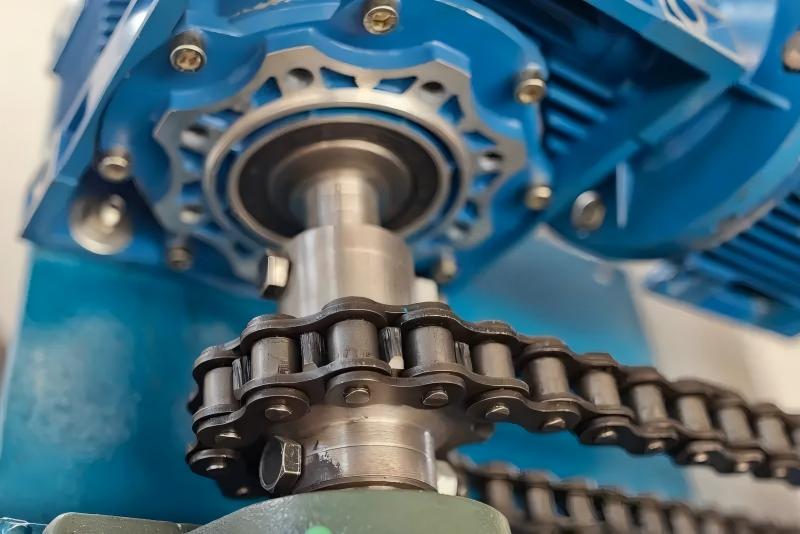
Understanding what to maintain is the first step toward effective Tube Bender Gear Maintenance. Most tube benders use a combination of gears, chains, sprockets, and bearings to control bending rotation and auxiliary motions.
Drive Gears and Transmission Shafts
Drive gears handle high torque loads during bending. Misalignment or insufficient lubrication causes uneven tooth contact, accelerating wear. Regular inspection of gear tooth patterns helps identify early problems before breakdowns occur.
Chains, Sprockets, and Tensioners
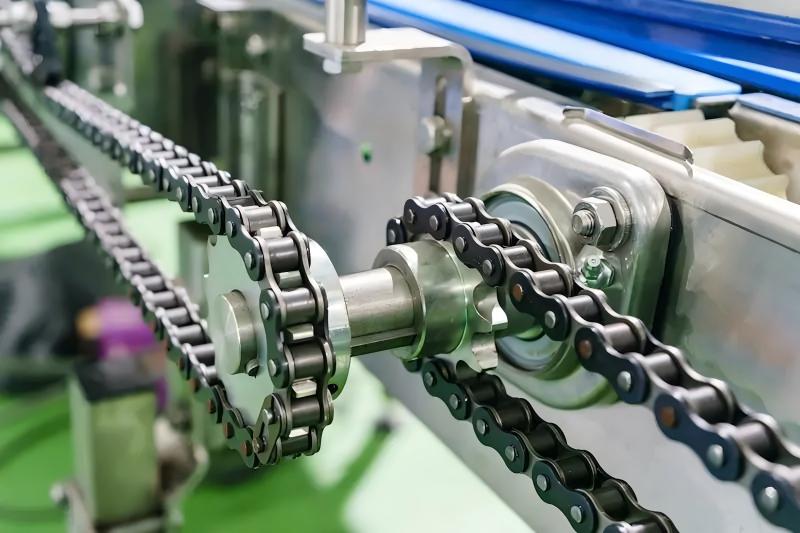
Chains transfer motion smoothly only when tension is correct. Loose chains cause shock loads, while over-tensioned chains stress bearings and shafts. Proper Tube Bender Gear Maintenance always includes checking chain elongation and tension balance.
Bearings Supporting Gear Assemblies
Bearings support rotational accuracy. If bearing lubrication fails, gears lose alignment, leading to noise, vibration, and eventual seizure. Bearing condition is often a silent contributor to gear failure.
Step-by-Step Tube Bender Gear Maintenance Practices
A structured maintenance routine significantly reduces breakdown risks. I recommend following these steps consistently rather than waiting for performance issues to appear.
Step 1: Routine Visual and Audible Inspections
Before production starts, I always advise operators to listen for abnormal noise and feel for unusual vibration near the gear housing. Changes in sound often indicate lubrication loss or gear misalignment.
Step 2: Proper Lubrication for Tube Bender Gears
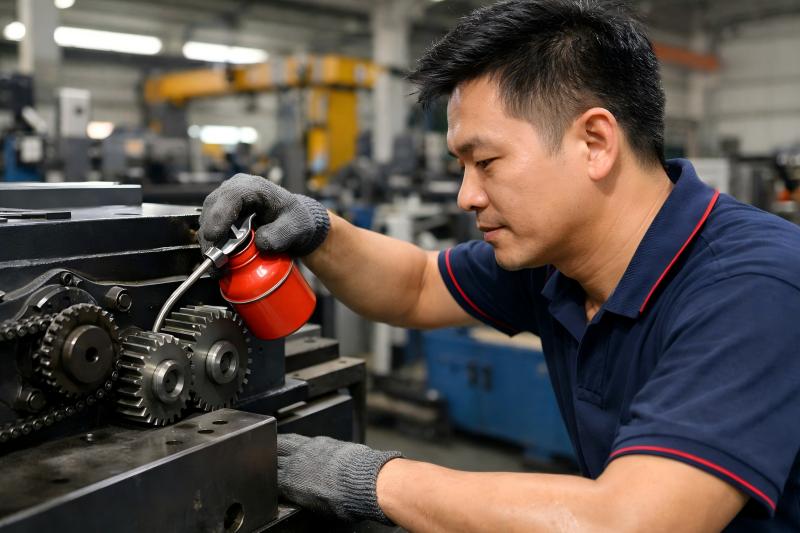
Lubrication is the foundation of Tube Bender Gear Maintenance. Use manufacturer-recommended grease or oil grades, and never mix lubricants. Insufficient lubrication causes metal-to-metal contact, while excessive grease traps contaminants and raises operating temperature.
Step 3: Chain Tension and Alignment Adjustment
Check chain tension regularly using specified deflection values. Align sprockets accurately to prevent uneven wear. This simple adjustment prevents shock loading that often leads to sudden chain or gear failure.
Step 4: Cleaning to Prevent Abrasive Wear
Metal dust, coolant mist, and debris act as abrasives inside gear systems. Cleaning gear housings and covers reduces contamination and extends component life significantly.
Step 5: Scheduled Replacement of Wear Parts

Even with perfect maintenance, gears and chains have finite lifespans. Replacing chains and worn gears during scheduled maintenance is far less costly than emergency repairs after a breakdown.
How Preventive Gear Maintenance Reduces Downtime
Preventive Tube Bender Gear Maintenance shifts maintenance from reactive to proactive. Instead of stopping production due to unexpected failures, issues are addressed during planned downtime. This improves machine availability, stabilizes bending accuracy, and protects motors and servo drives from overload damage.
Consistent maintenance also helps operators detect early warning signs such as backlash increase or torque fluctuation, allowing adjustments before production quality is affected.
Common Mistakes in Tube Bender Gear Maintenance
One common mistake is focusing only on hydraulic or electrical systems while ignoring mechanical transmission components. Another is over-lubrication, which many believe offers extra protection but often causes overheating and contamination. Inconsistent inspection schedules are also a major contributor to preventable breakdowns.
FAQ
How often should Tube Bender Gear Maintenance be performed?
I recommend basic inspections daily, lubrication checks weekly, and detailed gear and chain inspections every 500–1000 operating hours, depending on workload.
Can poor Tube Bender Gear Maintenance affect bending accuracy?
Yes. Gear backlash and chain slack directly impact rotational precision, leading to angle deviation and inconsistent bend results.
What are early warning signs of gear failure in tube benders?
Increased noise, vibration, uneven bending angles, and rising motor load are common early indicators.
Is lubrication alone enough to prevent gear breakdowns?
No. Lubrication is essential, but alignment, tension control, cleaning, and timely replacement are equally important parts of Tube Bender Gear Maintenance.
Conclusion
From my experience, effective Tube Bender Gear Maintenance is one of the most reliable ways to prevent unexpected breakdowns and protect long-term machine performance. By inspecting gears regularly, maintaining proper lubrication, adjusting chain tension, and replacing worn components on schedule, you can significantly reduce downtime and extend equipment life. If you want more guidance on tube bender maintenance strategies or need support for your specific machine model, feel free to explore our related documentation or contact the HARSLE technical team for professional assistance.


