


Tube Bender Installation Safety is often the missing factor when tube bending machines fail, vibrate, or trigger safety incidents immediately after installation. In most cases, the issue is not the machine itself, but critical safety checks being overlooked during the startup phase. If you are installing a new tube bender or restarting a machine after relocation, you are in the right place. In this article, I’ll share practical, experience-based steps to help you avoid startup accidents, protect operators, and ensure your tube bender operates safely and reliably from day one. My aim is to help you reduce risk, minimize downtime, and create a strong foundation for long-term production.
Understanding Tube Bender Installation Safety Risks
Why Startup Is the Most Dangerous Phase

The startup phase is when hidden installation issues reveal themselves. Unsecured foundations, incorrect electrical connections, or poorly adjusted tooling may not be obvious at first glance, but they often lead to sudden movements, inaccurate bending, or emergency stops. From my experience, most startup accidents happen because basic Tube Bender Installation Safety checks were skipped in the rush to begin production.
Common Causes of Startup Accidents
Typical risks include uneven floors, loose anchor bolts, misaligned dies, incorrect hydraulic pressure settings, and unverified safety devices. These problems can cause machine shifting, unexpected axis movement, or operator exposure to pinch points. Addressing them early is far easier than dealing with repairs after an incident.
How to Prepare the Installation Area Safely
Evaluating Floor Strength and Levelness
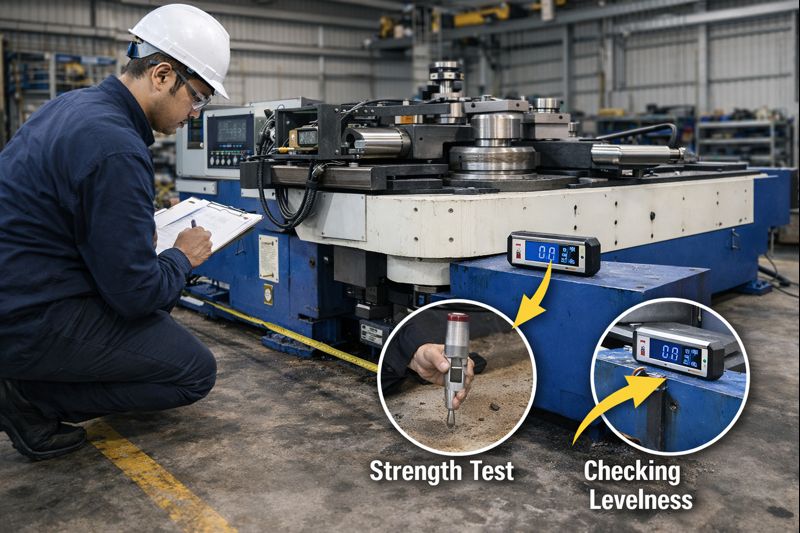
Before installing a tube bender, I always start with the floor. The concrete foundation must meet the machine’s load requirements and be perfectly level. Even small deviations can affect bending accuracy and increase vibration. A stable foundation is one of the most overlooked but critical aspects of Tube Bender Installation Safety.
Ensuring Adequate Space and Clearance
Sufficient space around the machine is essential. Operators need clear access for loading tubes, adjusting tooling, and performing inspections. Proper clearance also allows safety guards and emergency exits to function as intended, reducing the chance of operator injury during startup.
Safe Mechanical Installation Procedures
Anchoring the Tube Bender Correctly
Anchoring is not optional. I’ve seen machines shift during the first test runs simply because anchor bolts were undersized or improperly installed. Correct anchoring prevents movement, protects alignment, and ensures repeatable bending results. Always follow manufacturer recommendations for bolt type, depth, and torque.
Checking Tooling and Axis Alignment
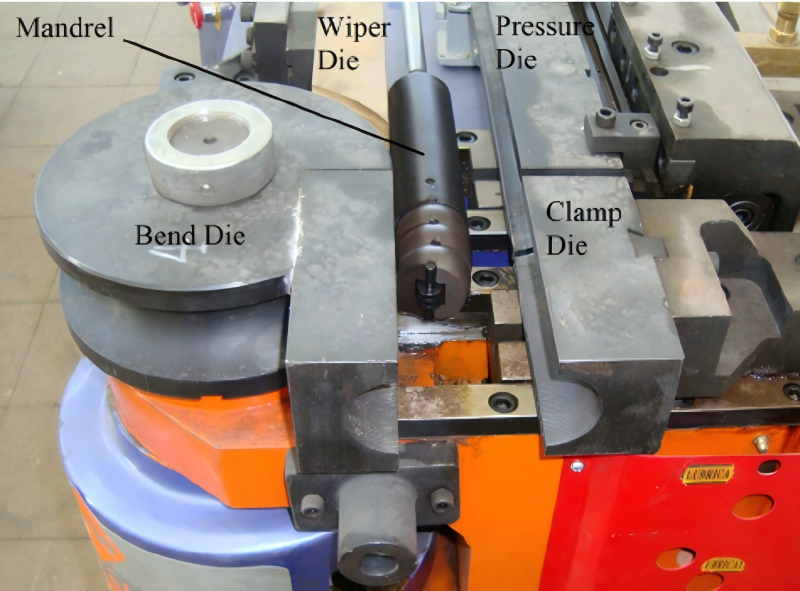
Before powering on, all bending dies, clamps, and mandrels must be installed correctly and aligned. Misaligned tooling increases stress on mechanical components and raises the risk of sudden tool failure. Careful alignment is a core part of Tube Bender Installation Safety and should never be rushed.
Electrical and Hydraulic Safety Checks Before Startup
Verifying Electrical Connections and Grounding
Electrical safety is a major contributor to startup accidents. I always confirm correct voltage, phase sequence, and proper grounding before energizing the machine. Incorrect wiring can cause control system errors or unexpected motion, putting operators at risk.
Inspecting Hydraulic Systems for Leaks and Pressure
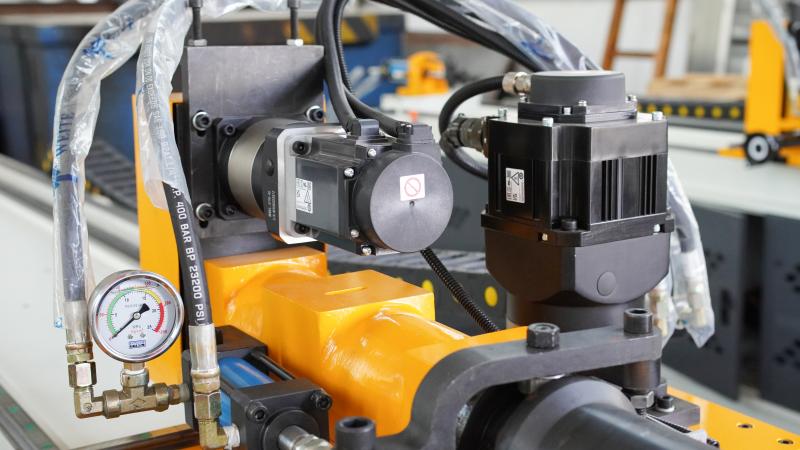
Hydraulic pressure should be set according to specifications before test runs. Loose fittings or incorrect pressure values can result in unstable clamping or sudden force changes. A thorough hydraulic inspection helps avoid dangerous surprises during initial operation.
Performing Safe Test Runs and Initial Operation
Dry Run Without Material
One rule I always follow is to perform a dry run first. Running the machine without tubes allows you to observe axis movement, check clearances, and verify safety interlocks. This step significantly reduces the likelihood of startup accidents related to Tube Bender Installation Safety.
Gradual Load Testing
After a successful dry run, introduce material gradually. Start with low-speed, low-force settings and monitor machine behavior closely. This controlled approach helps identify issues early, before they escalate into safety incidents or equipment damage.
Operator Training and Safety Awareness
Confirming Safety Devices and Emergency Stops
Before full production, I always test emergency stop buttons, light curtains, and safety guards. Operators must know exactly how these systems work and when to use them. Functional safety devices are a cornerstone of Tube Bender Installation Safety.
Training Operators Before Full Production
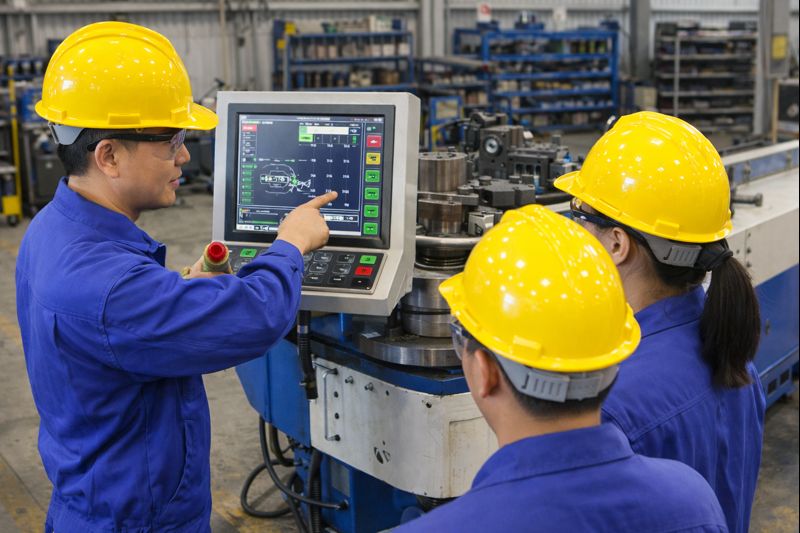
Even a perfectly installed machine can be dangerous if operators are unprepared. Clear instructions on startup procedures, warning signs, and emergency responses help prevent accidents and build confidence during initial operation.
FAQs
Why is Tube Bender Installation Safety critical during startup?
Startup is when installation errors first appear. Proper Tube Bender Installation Safety prevents unexpected movement, tooling failure, and operator injuries during initial operation.
Should I perform test runs without material?
Yes. Dry runs allow you to verify axis movement, safety devices, and clearances without risk, making them an essential startup safety step.
How does improper anchoring affect tube bender safety?
Poor anchoring can cause machine shifting and vibration, leading to inaccurate bends and increased accident risk during startup.
Do operators need training before the first production run
Absolutely. Operator training ensures correct use of controls, safety systems, and emergency procedures, reducing the likelihood of startup accidents.
Conclusion
Tube Bender Installation Safety is not just a checklist item—it’s the foundation of safe and efficient production. By preparing the installation area, securing the machine correctly, verifying electrical and hydraulic systems, and conducting careful test runs, you can avoid most startup accidents before they happen. Taking the time to train operators and confirm safety devices further reduces risk and builds long-term reliability. If you need professional guidance or detailed installation support, I recommend reaching out to our technical team or exploring related documentation to ensure your tube bender starts safely and stays productive.


