


Tube Bender Lifespan Maintenance is often the decisive factor behind unexpected machine failures, even though many users initially blame component quality or machine age. From my experience, most breakdowns stem from maintenance that is insufficient, inconsistent, or incorrectly executed. If you are looking for practical ways to reduce downtime, extend service life, and keep bending accuracy stable over years of operation, you are in the right place. In this article, I’ll explain how a well-structured lifespan maintenance strategy helps prevent failures, which areas deserve the most attention, and how daily habits combined with long-term planning can protect both your investment and production continuity.
Why Tube Bender Lifespan Maintenance Matters
Tube bending machines operate under constant mechanical stress, repeated motion, and high precision requirements. Without systematic Tube Bender Lifespan Maintenance, wear accumulates silently until it turns into sudden failures.
The Link Between Maintenance and Failure Reduction
Most failures are not random. They result from gradual degradation of key components such as bearings, mandrels, clamps, guide rails, and hydraulic or servo systems. Lifespan maintenance focuses on early intervention, allowing operators to correct small issues before they escalate into costly downtime.
Common Failures Caused by Poor Maintenance
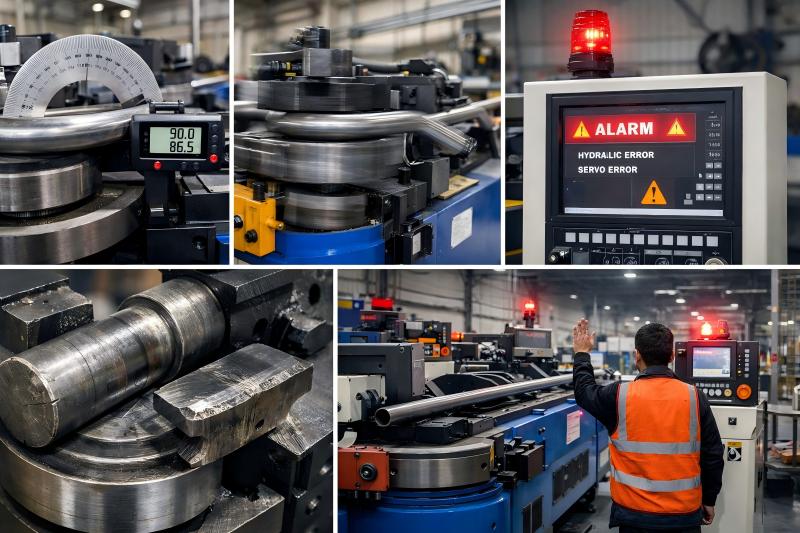
When maintenance is neglected, tube benders often suffer from:
- Inconsistent bending angles and radii
- Abnormal vibration during bending cycles
- Unexpected servo or hydraulic alarms
- Premature wear of tooling and mandrels
- Sudden production stoppages
All of these issues shorten machine life and increase operating costs.
Core Areas of Tube Bender Lifespan Maintenance
Effective Tube Bender Lifespan Maintenance is not limited to lubrication. It requires a structured approach covering mechanical, hydraulic, electrical, and operational aspects.
Mechanical Components Inspection and Care
Mechanical parts form the foundation of bending accuracy and stability.
Bearings, Guide Rails, and Moving Assemblies

Bearings and guide rails must be inspected regularly for wear, noise, and uneven movement. Proper lubrication intervals should match production intensity, not just calendar schedules. Clean lubrication points prevent contamination-related damage.
Tooling, Clamps, and Mandrels
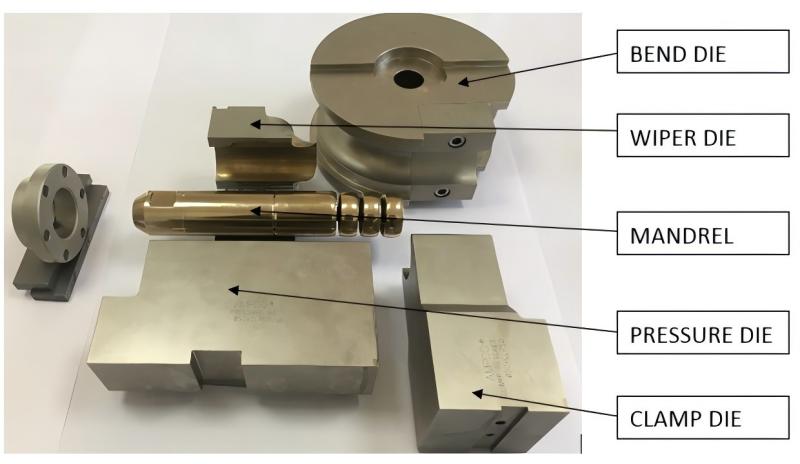
Tooling directly contacts the tube material and absorbs bending force. Regular inspection for surface wear, deformation, or misalignment helps prevent tube cracking and dimension errors. Replacing worn tooling early is far more cost-effective than repairing secondary damage.
Hydraulic and Servo System Maintenance for Long-Term Reliability
Hydraulic and servo systems are common sources of unexpected failures if overlooked.
Hydraulic Oil Quality and Leak Prevention

Hydraulic oil condition directly affects pressure stability and component lifespan. Oil contamination leads to valve sticking, seal damage, and overheating. Regular oil analysis, filter replacement, and leak inspections are essential steps in Tube Bender Lifespan Maintenance.
Servo Motors and Drive Systems
Servo systems demand clean electrical environments and accurate parameter settings. Loose connections, dust accumulation, or incorrect parameters can cause alarms or motion instability. Periodic checks ensure smooth, precise bending cycles.
Daily and Periodic Maintenance Practices That Reduce Failures
Lifespan maintenance works best when daily routines and scheduled inspections complement each other.
Daily Operator Checks

Simple daily checks make a significant difference. Operators should:
- Visually inspect bolts, clamps, and safety devices
- Listen for abnormal sounds during operation
- Check lubrication levels and pressure readings
- Clean the work area to avoid debris entering moving parts
These habits help detect early warning signs before failures occur.
Scheduled Preventive Maintenance Plans
Beyond daily checks, a structured preventive maintenance schedule should include weekly, monthly, and annual inspections. This approach aligns with Tube Bender Lifespan Maintenance goals by controlling wear progression instead of reacting to breakdowns.
How Proper Maintenance Extends Tube Bender Service Life
Consistent maintenance does more than prevent failures—it preserves machine value.
Maintaining Bending Accuracy Over Time

Accuracy loss is often gradual. Regular calibration, alignment checks, and tooling inspection help maintain repeatable bending results even after years of use.
Reducing Total Cost of Ownership
Machines that receive proper lifespan maintenance experience fewer emergency repairs, lower spare part consumption, and longer overhaul intervals. This directly reduces total operating costs while improving production stability.
Common Mistakes That Shorten Tube Bender Lifespan
Even experienced users sometimes undermine their own maintenance efforts.
Overlooking Early Warning Signs
Ignoring minor oil leaks, unusual noise, or small accuracy deviations often leads to major failures later. Tube Bender Lifespan Maintenance relies on responding early, not waiting for visible damage.
Using Incorrect Lubricants or Spare Parts
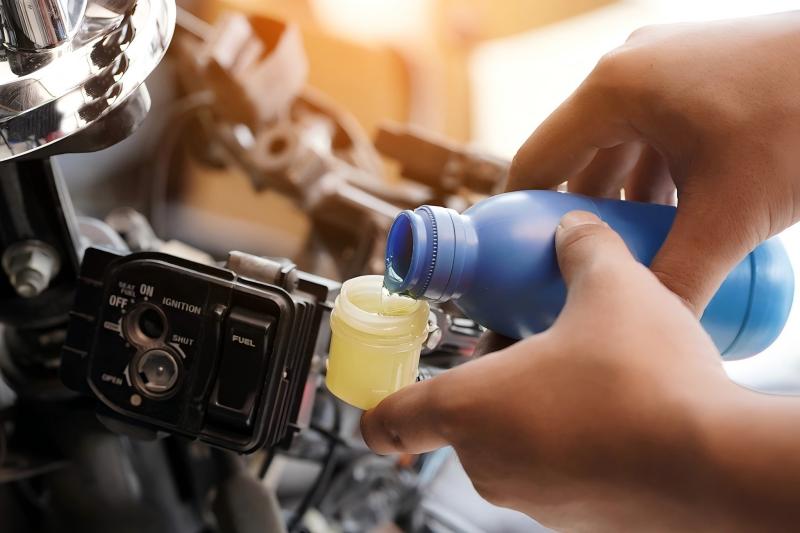
Non-recommended lubricants or incompatible spare parts may seem cost-effective initially, but they often accelerate wear and cause hidden damage. Always follow manufacturer guidelines for long-term reliability.
FAQs
How often should Tube Bender Lifespan Maintenance be performed?
Daily visual checks should be done every shift, while preventive maintenance should follow weekly, monthly, and annual schedules based on operating hours and workload.
Can proper maintenance really reduce unexpected tube bender failures?
Yes. Most failures develop gradually. Lifespan maintenance detects wear early, allowing planned intervention instead of emergency repairs.
Which components affect tube bender lifespan the most?
Bearings, tooling, hydraulic systems, servo drives, and guide rails have the greatest impact on lifespan and reliability.
Is Tube Bender Lifespan Maintenance different for CNC machines?
CNC tube benders require additional attention to software parameters, sensors, and servo systems, but the core maintenance principles remain the same.
Conclusion
Tube bender failures are rarely unavoidable. In my experience, Tube Bender Lifespan Maintenance is the most effective way to reduce breakdowns, protect bending accuracy, and extend machine service life. By combining daily operator habits with structured preventive maintenance, you can turn maintenance from a cost burden into a reliability strategy. If you want more detailed maintenance guidance or support tailored to your tube bending application, feel free to contact our technical team or explore related documentation on our website.


