


When your tube bender suddenly loses force or starts bending inconsistently, production can stop immediately—and that’s when Tube Bender Low Pressure becomes a real problem. If you’ve been searching for a fast and practical way to diagnose and fix this issue, you’re in the right place. In this guide, I’ll walk you through the most common causes, how to troubleshoot them step by step, and what you can do to restore full hydraulic pressure quickly and safely. Whether you’re maintaining a CNC tube bender or working with a simple hydraulic model, these methods will help you get your machine running smoothly again.
Main Reasons for Tube Bender Low Pressure
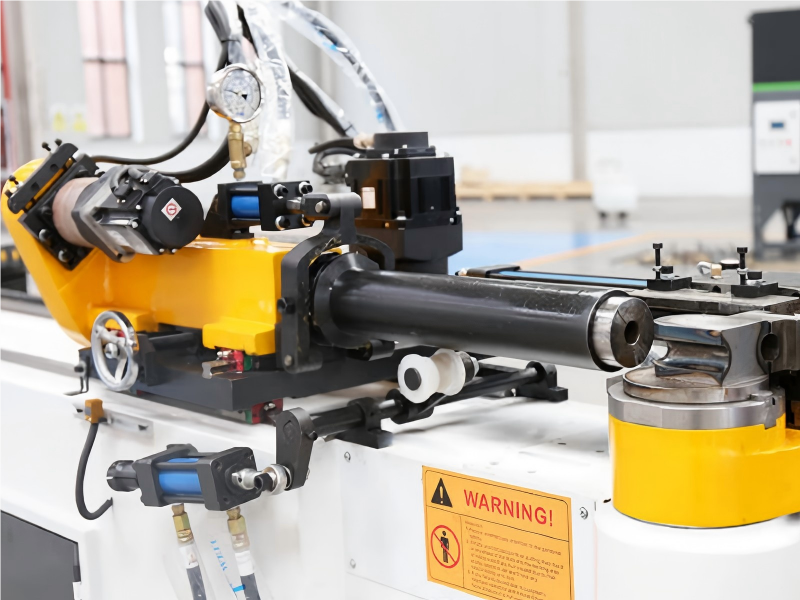
Understanding why hydraulic pressure drops is the first step to solving the issue. Below are the most common causes and how they impact bending performance.
Low Hydraulic Oil Level
One of the easiest problems to overlook is low oil volume. When the tank doesn’t have enough oil, the pump can’t build sufficient pressure, causing slow or weak bending operations. I always recommend checking the oil sight glass first before moving into deeper diagnostics.
Incorrect or Contaminated Hydraulic Oil
Using the wrong viscosity or degraded oil can lead to pressure loss. Contamination causes internal friction, valve sticking, and reduced pump efficiency. If the oil looks dark, milky, or has particles, the system needs flushing and refilling with the manufacturer-recommended oil.
Worn Hydraulic Pump

A worn vane pump or gear pump will not generate enough flow and pressure. If you hear unusual noises, feel excessive vibration, or notice slow bending speed even with full oil, the pump may require repair or replacement.
Internal Leakage in Valves or Cylinders
Internal leaks—especially in proportional valves or cylinder seals—can dramatically reduce pressure. If the cylinder retracts slowly or the pressure gauge fluctuates heavily, internal leakage is likely the cause.
How to Fix Tube Bender Low Pressure Fast
Below is a step-by-step guide you can follow to diagnose and fix pressure loss efficiently.
Step 1 – Check and Refill Hydraulic Oil
I always start by verifying the oil level. Make sure the tank is filled to the recommended mark. If the level is too low, refill using the correct hydraulic oil grade. After adding oil, run the machine for a few minutes to let the system bleed any air.
Step 2 – Inspect for Visible External Leaks
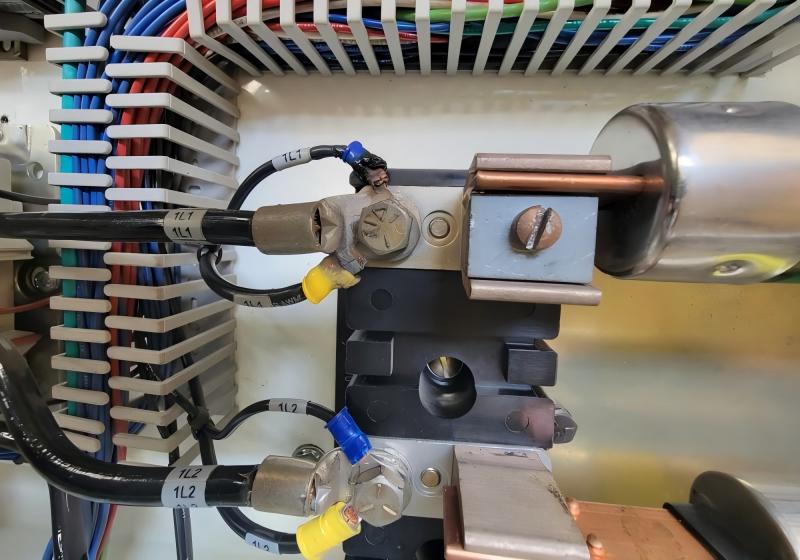
Look around hoses, fittings, cylinders, and pump connections. Even minor leaks can cause noticeable pressure drops. Tighten loose fittings and replace cracked hoses immediately to prevent further damage.
Step 3 – Replace Contaminated or Low-Quality Oil
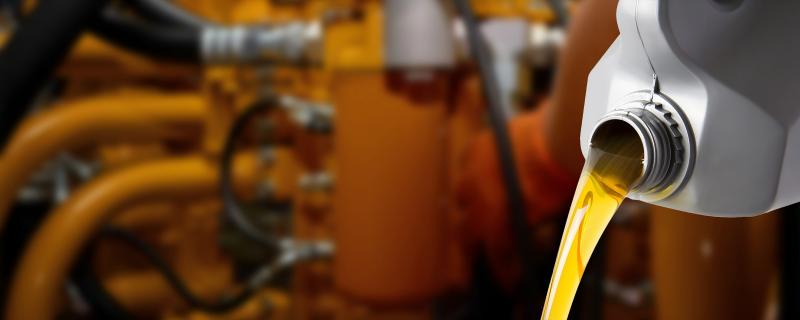
If the oil appears dirty, foamy, or discolored, drain the tank completely. Clean the filter screen, replace the hydraulic filter, and refill with clean oil. This often restores stable pressure and prevents valve sticking.
Step 4 – Test the Hydraulic Pump Output
Use a pressure gauge to check whether the pump can reach rated pressure. If the pump fails to build pressure even under no load, it may be worn out. Replacing a weak pump usually solves low-pressure problems quickly.
Step 5 – Examine Valves for Internal Leakage
Directional valves, relief valves, and proportional valves are common trouble points. If they are stuck or leaking internally, pressure will drop regardless of pump condition. Remove and clean the valve components or replace them if necessary.
Step 6 – Inspect the Cylinder Seals
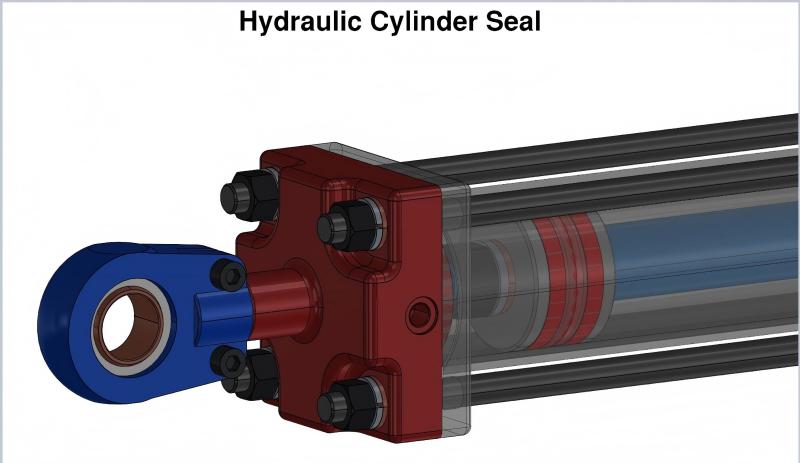
Damaged cylinder seals allow hydraulic oil to bypass internally, weakening bending force. If the cylinder shakes, moves unevenly, or cannot hold pressure, rebuilding or replacing the cylinder seals is the best fix.
Step 7 – Verify Pressure Settings
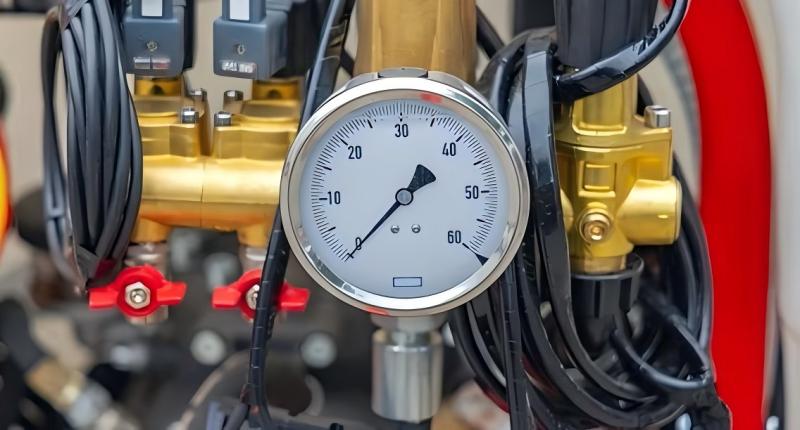
Sometimes the issue is as simple as an incorrect relief valve setting. Confirm that the pressure relief valve is set to the manufacturer-recommended level. A valve set too low will automatically limit the machine’s maximum pressure.
Preventing Tube Bender Low Pressure Issues
Fixing the problem is important, but preventing it saves much more time and cost in the long run.
Maintain Clean Hydraulic Oil
I always advise replacing hydraulic oil every 1,500–2,000 working hours or as recommended by the machine manufacturer. Clean oil ensures stable pressure and protects the pump and valves.
Perform Regular System Checks
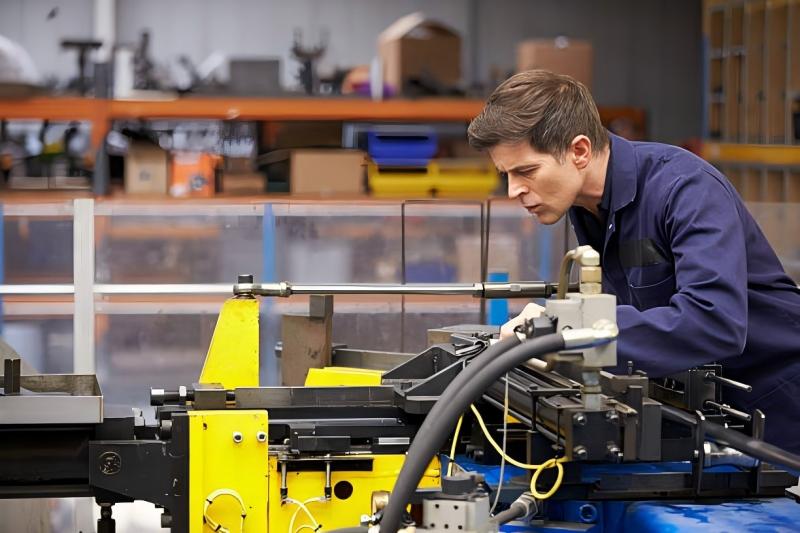
Regularly check filters, hoses, fittings, and gauge readings. Early detection prevents major failures and reduces downtime.
Follow Manufacturer Calibration Procedures
A properly calibrated hydraulic system ensures consistent bending accuracy. Make sure the pressure settings, tooling alignment, and bending parameters are checked according to the specific model you use.
FAQ
What is the first thing I should check when experiencing Tube Bender Low Pressure?
The first thing I check is the hydraulic oil level. Low oil is the most common cause and the easiest to fix.
Can contaminated hydraulic oil cause Tube Bender Low Pressure?
Yes. Contaminated or degraded oil can cause valve sticking, internal leakage, and reduced pump efficiency, all leading to pressure loss.
How do I know if the hydraulic pump is failing?
Symptoms include loud noise, slow bending speed, low pressure reading, or the inability to maintain pressure under load.
How often should I replace hydraulic oil?
I recommend replacing oil every 1,500–2,000 hours or whenever you notice contamination.
Can incorrect pressure settings cause low bending force?
Absolutely. If the relief valve is set too low, the system cannot build enough pressure to achieve full bending force.
Conclusion
Tube Bender Low Pressure can bring your production line to a halt, but the good news is that most causes are easy to diagnose and fix once you know where to look. By checking the oil level, inspecting the pump, testing valves, and verifying pressure settings, you can restore your machine’s performance quickly. For ongoing reliability, make sure to maintain clean oil, follow regular inspection routines, and adhere to the manufacturer’s calibration standards.
If you need more detailed guidance, troubleshooting assistance, or help choosing replacement parts, feel free to contact the HARSLE team anytime. We’re here to support your metalworking operations and keep your tube bender running at peak performance.


