


Tube Bender Maintenance Data becomes essential when CNC tube bending machines start showing accuracy drift, frequent alarms, or increasing maintenance costs. In my experience, real improvements begin when companies stop relying only on mechanical inspections or parameter adjustments and start using their maintenance data effectively. By collecting and analyzing this data, it becomes possible to identify early warning signs before failures occur. In this article, I’ll explain how maintenance data supports preventive service, improves machine reliability, and enables smarter maintenance planning. Whether you manage one tube bender or an entire production line, proper data usage directly improves uptime and reduces operating costs.
How Tube Bender Maintenance Data Supports Preventive Service
Preventive service is not just about fixed schedules or visual inspections. It is about making maintenance decisions based on real operating conditions. Tube Bender Maintenance Data provides the factual foundation that preventive service relies on.
What Is Tube Bender Maintenance Data?
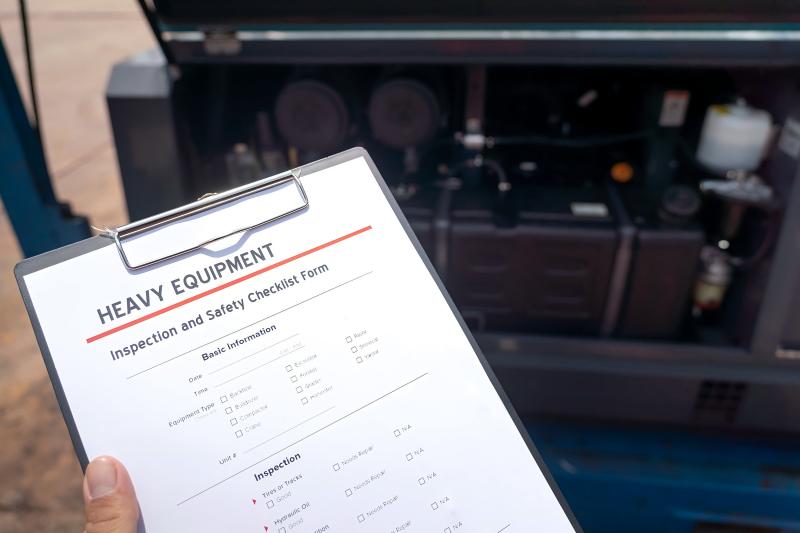
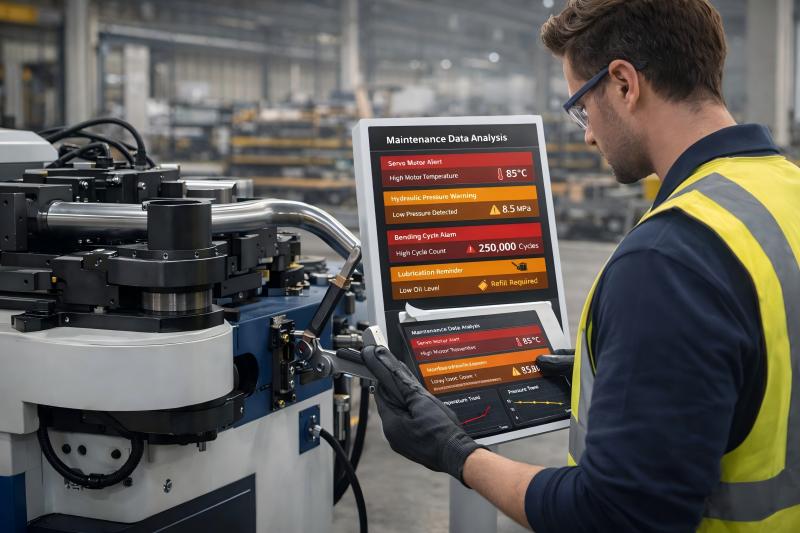
Tube bender maintenance data includes all measurable and recorded information related to machine operation and condition. This can include operating hours, bending cycles, servo motor loads, hydraulic pressure trends, alarm histories, lubrication intervals, tooling usage, and sensor feedback. When this data is consistently logged, it creates a clear picture of how the machine behaves over time instead of relying on assumptions.
Why Data Is More Reliable Than Experience Alone
Experienced operators can often sense when a machine is “not right,” but experience alone is subjective. Maintenance data turns those feelings into measurable facts. For example, a gradual increase in bending force or servo load may not trigger an alarm, but the data clearly shows abnormal wear developing. Preventive service based on data allows issues to be addressed earlier and more accurately.
Key Types of Tube Bender Maintenance Data to Track
Not all data has the same value. Focusing on the right Tube Bender Maintenance Data makes preventive service more effective and manageable.
Operating Hours and Production Cycles
Tracking actual operating hours and bending cycles is essential. Many components such as mandrels, wiper dies, clamps, and bearings wear based on usage rather than calendar time. Maintenance schedules based on real cycles help avoid both over-maintenance and late replacements.
Alarm History and Error Logs
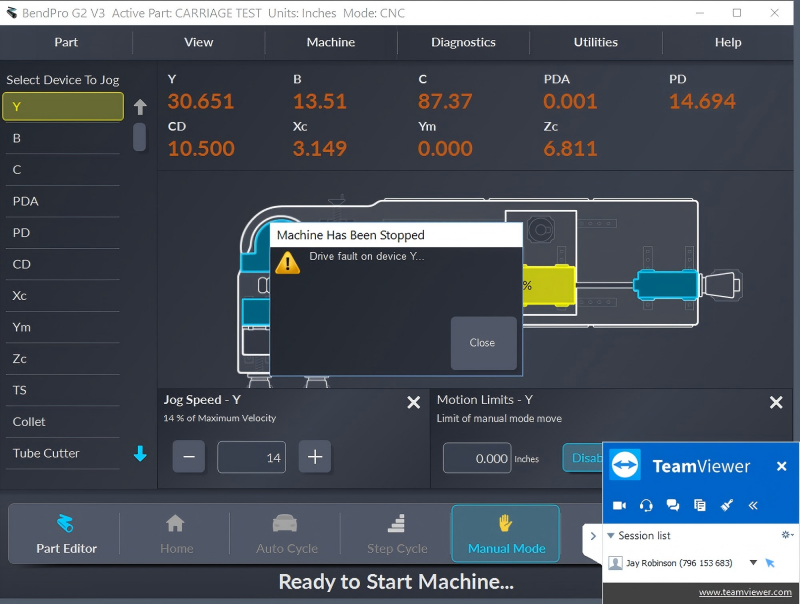
Alarm records are one of the most underestimated data sources. Repeated minor alarms often indicate early-stage issues such as sensor misalignment, unstable parameters, or electrical interference. Reviewing alarm trends helps maintenance teams correct root causes instead of repeatedly resetting faults.
Hydraulic and Servo Performance Data

Changes in hydraulic pressure stability, oil temperature, or servo motor current are strong indicators of developing problems. By monitoring these parameters, preventive service can target seals, pumps, valves, or motors before performance drops or failures occur.
Tooling and Wear Parts Usage Records
Tooling life varies widely depending on material, bending radius, lubrication quality, and production volume. Tube Bender Maintenance Data related to tooling usage allows realistic replacement planning and avoids unexpected quality issues caused by worn mandrels or dies.
How Tube Bender Maintenance Data Reduces Unexpected Downtime
Unexpected downtime is one of the most expensive problems in tube bending operations. Maintenance data directly addresses this risk.
Early Detection of Abnormal Trends

Most failures do not happen suddenly. They develop gradually. Data trends reveal small changes long before production stops. A slow rise in cycle time, repeated micro-adjustments by operators, or increased scrap rates are all early warning signals that preventive service can address.
Planning Maintenance Without Production Disruption
With accurate Tube Bender Maintenance Data, maintenance can be scheduled during planned stops instead of emergency shutdowns. This reduces overtime labor, avoids delayed deliveries, and keeps production planning stable.
Improving Spare Parts Management
Data-driven maintenance clarifies which spare parts are truly critical and how often they are needed. This avoids excessive inventory while ensuring that high-risk components are always available when preventive service is required.
How to Use Tube Bender Maintenance Data in Daily Maintenance Work
Collecting data alone is not enough. The real value comes from how it is used in daily maintenance routines.
Establishing a Structured Data Logging Process

Maintenance data should be recorded consistently and in a standardized format. This can be done through the CNC system, maintenance logs, or digital monitoring platforms. Consistency ensures that data remains comparable over time.
Linking Data to Maintenance Actions
Every maintenance action should be linked to data findings. For example, replacing a mandrel should be tied to cycle count and wear observations, not just operator feedback. This builds a feedback loop that continuously improves preventive service accuracy.
Sharing Data Between Operators and Maintenance Teams
Tube Bender Maintenance Data should not stay locked in maintenance records. Operators benefit from understanding how their machine usage affects wear and performance. Clear communication helps align daily operation habits with preventive maintenance goals.
Common Mistakes When Managing Tube Bender Maintenance Data
Even companies that collect data sometimes fail to get real value from it.
Collecting Too Much Data Without Focus
Recording every possible parameter can overwhelm maintenance teams. It is more effective to focus on data that directly influences machine reliability, accuracy, and safety.
Ignoring Long-Term Trends
Short-term fluctuations are normal. The real insight comes from long-term patterns. Ignoring historical data often leads to repeated issues that could have been prevented.
Failing to Update Maintenance Strategies
Maintenance data should lead to action. If preventive service plans never change despite clear data trends, the value of data collection is lost.
FAQs
How does Tube Bender Maintenance Data improve preventive service accuracy?
Tube Bender Maintenance Data provides objective information about machine condition, usage, and performance trends. This allows preventive service to be scheduled based on actual wear and operating behavior rather than fixed intervals.
What is the minimum data needed for effective tube bender preventive maintenance?
At a minimum, operating hours, cycle counts, alarm history, and key performance parameters such as servo load or hydraulic pressure should be tracked. These data points already provide strong guidance for preventive service.
Can Tube Bender Maintenance Data help reduce maintenance costs?
Yes. By preventing unexpected failures and avoiding unnecessary part replacements, data-driven maintenance reduces emergency repairs, downtime losses, and excessive spare parts inventory.
How often should maintenance data be reviewed?
Basic data should be reviewed daily or weekly, while trend analysis is most effective when reviewed monthly or quarterly as part of a preventive maintenance review.
Conclusion
Preventive service is most effective when it is driven by facts rather than assumptions. Tube Bender Maintenance Data turns daily machine operation into actionable insight, helping detect problems early, plan maintenance efficiently, and reduce unexpected downtime. By tracking the right data, analyzing trends, and linking information to maintenance actions, tube bending operations can achieve higher reliability and lower long-term costs. If you want to improve your preventive maintenance strategy or need guidance on data-driven tube bender service, feel free to contact our team or explore related documentation on advanced tube bender maintenance practices.


