


Tube Bender Maintenance Tools play a critical role in keeping tube bending machines accurate, stable, and reliable over time, not just when breakdowns occur. When operators ask me how to maintain consistent bending quality and avoid unexpected downtime, my answer almost always comes back to selecting the right tools for daily service. If you are looking for clear, practical guidance on which tools truly matter, how to choose them, and how they fit into everyday maintenance routines, you are in the right place. In this article, I’ll share my experience in choosing maintenance tools that improve accuracy, reduce component wear, and make daily service more efficient—whether you run a single CNC tube bender or manage a full production line.
Understanding Daily Maintenance Needs for Tube Benders
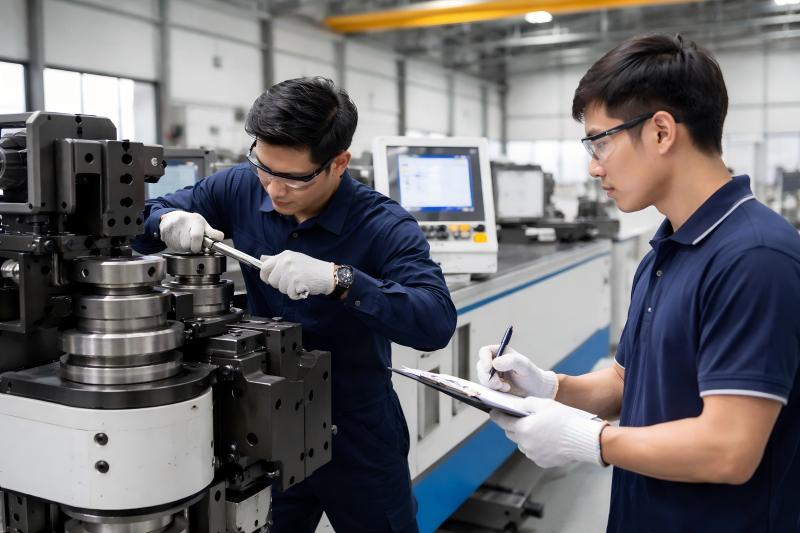
Daily maintenance focuses on prevention rather than repair. The goal is to identify early signs of wear, misalignment, or lubrication issues before they affect bending accuracy or cause machine stoppages. Choosing Tube Bender Maintenance Tools starts with understanding what your machine needs on a day-to-day basis: inspection, cleaning, adjustment, and basic calibration.
Different tube benders may vary in structure, but daily service requirements are surprisingly similar across models. Most machines require regular checks on tooling alignment, clamp pressure, mandrel position, guide rails, sensors, and lubrication points. The right tools make these checks faster, safer, and more reliable.
Identifying Critical Components for Daily Service
Before selecting tools, I always recommend listing the components that are most frequently inspected. These usually include bending dies, clamp dies, pressure dies, mandrels, guide rails, hydraulic fittings, servo drives, and sensors. Daily service tools should be chosen based on how often these components are adjusted or measured, not just their cost.
Essential Mechanical Tube Bender Maintenance Tools

Mechanical tools form the foundation of daily tube bender service. They are used for fastening, alignment, and wear inspection, and they should be durable, accurate, and easy to handle in a production environment.
Torque Wrenches for Consistent Fastening
One of the most important Tube Bender Maintenance Tools is a calibrated torque wrench. Many bending accuracy issues come from over-tightened or under-tightened bolts on tooling and clamps. Using a torque wrench ensures fasteners are tightened to manufacturer specifications, helping maintain repeatable bending results and preventing premature wear.
Precision Measuring Tools for Alignment Checks
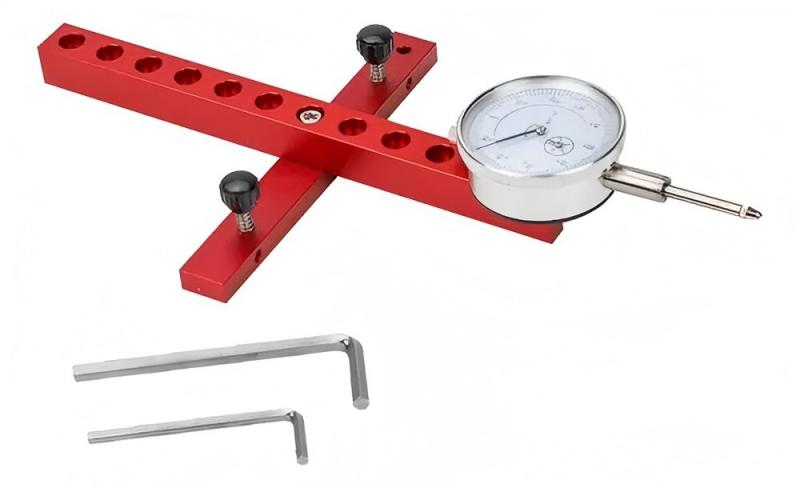
Daily service often includes checking tooling alignment and mandrel position. Digital calipers, feeler gauges, and straight edges are essential for verifying clearances and offsets. These tools help operators detect small deviations early, before they turn into quality problems or tooling damage.
Hand Tools Designed for Confined Spaces
Tube benders often have compact working areas around the bending head. Selecting slim-profile hex keys, ratcheting spanners, and insulated screwdrivers makes daily adjustments easier and reduces the risk of accidental damage to nearby components.
Electrical and Sensor Maintenance Tools for CNC Tube Benders
Modern CNC tube benders rely heavily on electrical systems and sensors. Daily service does not require advanced diagnostics, but basic electrical Tube Bender Maintenance Tools are essential for safe and effective checks.
Multimeters for Basic Electrical Verification

A reliable digital multimeter allows operators to verify power supply stability, sensor signals, and grounding conditions during routine inspections. Catching abnormal readings early can prevent unexpected alarms or machine stoppages later in the shift.
Sensor Cleaning and Calibration Tools
Dust, oil mist, and metal particles can affect sensor performance. Soft cleaning brushes, lint-free cloths, and manufacturer-approved cleaning solutions are simple tools that play a big role in daily maintenance. For machines with frequent sensor adjustments, basic calibration tools or reference blocks are also valuable.
Lubrication Tools That Support Long-Term Accuracy
Lubrication is one of the most overlooked aspects of daily service, yet it directly affects machine life and bending precision. The right lubrication tools ensure that grease and oil are applied correctly, consistently, and cleanly.
Manual Grease Guns and Oil Applicators

Choosing high-quality grease guns with precise flow control helps prevent over-lubrication, which can attract contaminants. Clear-label oil applicators ensure that the correct lubricant is used at each lubrication point, reducing the risk of cross-contamination.
Inspection Tools for Lubrication Points
Small inspection mirrors and portable lights are surprisingly effective Tube Bender Maintenance Tools. They allow operators to visually confirm lubrication coverage in hard-to-see areas without disassembling components.
Organizing and Managing Tube Bender Maintenance Tools
Having the right tools is only part of the solution. How they are organized and maintained also matters. Poorly managed tools can slow down daily service and introduce errors.
Tool Kits Dedicated to Daily Maintenance
I always recommend creating a dedicated daily maintenance tool kit for each tube bender or production line. This ensures that essential tools are always available and reduces time wasted searching for equipment during shifts.
Calibration and Condition Tracking
Measurement and torque tools should be checked and calibrated regularly. Even the best Tube Bender Maintenance Tools lose accuracy over time. Simple tracking labels or logs help ensure tools remain reliable.
How to Match Maintenance Tools to Your Production Environment
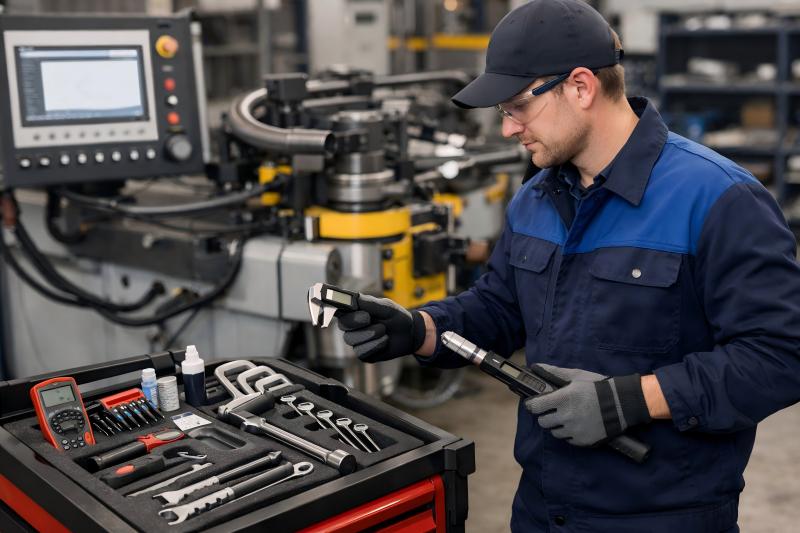
Not every factory needs the same tool setup. High-volume production lines may require more robust tools, while small workshops may prioritize versatility and portability. When choosing tools, consider production volume, material types, bending complexity, and operator skill levels.
Selecting tools that match real operating conditions improves efficiency and reduces resistance from operators. Tools that are easy to use and clearly labeled are more likely to be used correctly every day.
FAQs
What are the most important Tube Bender Maintenance Tools for daily service?
The most important tools include torque wrenches, precision measuring tools, basic hand tools, lubrication equipment, and simple electrical testing tools. These cover the majority of daily inspection and adjustment tasks.
How often should Tube Bender Maintenance Tools be calibrated?
Measurement and torque tools should typically be checked every 6 to 12 months, depending on usage frequency. High-use tools may require more frequent calibration to maintain accuracy.
Can improper maintenance tools affect bending accuracy?
Yes. Using worn, inaccurate, or incorrect tools can lead to misalignment, inconsistent clamping force, and undetected wear, all of which directly impact bending precision and repeatability.
Are daily maintenance tools different from repair tools?
Daily maintenance tools focus on inspection, adjustment, and prevention. Repair tools are usually heavier, more specialized, and used only when failures occur.
Conclusion
Choosing the right Tube Bender Maintenance Tools for daily service is one of the most effective ways to protect machine accuracy, extend component life, and reduce unplanned downtime. By focusing on practical mechanical, electrical, and lubrication tools—and organizing them properly—you create a maintenance routine that supports stable production rather than interrupting it. If you want to optimize your daily maintenance setup or need guidance tailored to your tube bender model, feel free to contact our team or explore more technical documentation on our website.


