


Tube Bender Maintenance Training plays a critical role when customers ask me how to keep their tube bending machines reliable, accurate, and productive over the long term. If you are looking for clear and practical benefits of investing in proper maintenance training, you are in the right place. In this article, I’ll explain how structured training directly improves machine uptime, bending accuracy, workplace safety, and operating costs. Whether you operate a single CNC tube bender or manage a complete bending line, understanding these advantages will help you make smarter decisions and protect your equipment investment.
How Tube Bender Maintenance Training Improves Machine Reliability
One of the most immediate benefits of Tube Bender Maintenance Training is improved machine reliability. Many breakdowns do not happen suddenly; they develop slowly due to incorrect operation, missed inspections, or improper adjustments. Training helps operators recognize early warning signs before they turn into serious failures.
Identifying Early Wear and Failure Risks
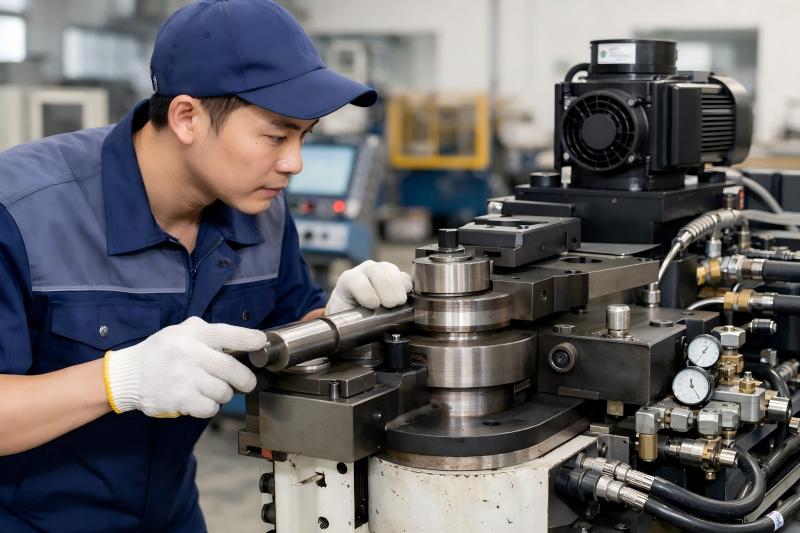
Through maintenance training, operators learn how to inspect critical components such as clamps, mandrels, pressure dies, servo motors, and hydraulic systems. They become familiar with normal wear patterns and can quickly spot abnormal noise, vibration, or temperature changes. This early detection allows maintenance actions to be planned instead of reacting to unexpected shutdowns.
Reducing Unplanned Downtime
Unplanned downtime is costly and disruptive. When operators understand correct maintenance procedures, they can address small issues during scheduled stops rather than halting production. Tube Bender Maintenance Training helps teams create predictable maintenance routines that keep machines running consistently.
How Maintenance Training Enhances Bending Accuracy and Quality
Accuracy is one of the most important performance indicators for any tube bending operation. Poor maintenance practices often lead to inconsistent bend angles, radius deviations, and part scrap. Training plays a critical role in maintaining bending precision.
Maintaining Consistent Tooling Alignment
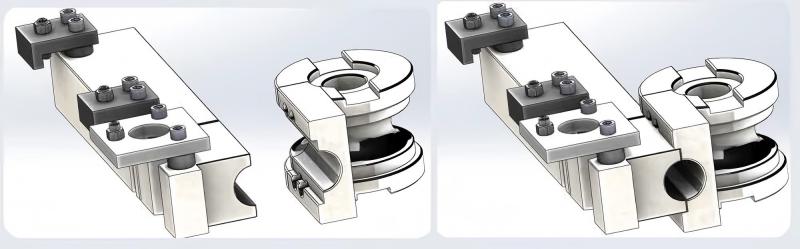
Operators trained in tube bender maintenance know how to check tooling alignment, clamp pressure, and mandrel positioning. Small alignment errors can accumulate over time, affecting part quality. Proper training ensures these adjustments are made correctly and consistently.
Understanding Calibration and Compensation Settings
Modern CNC tube benders rely heavily on software compensation and calibration. Maintenance training teaches operators how mechanical condition affects digital settings. When operators understand this relationship, they can maintain accurate bending results even during long production runs.
How Tube Bender Maintenance Training Extends Machine Lifespan
Tube bending machines are long-term investments, and extending their service life directly improves return on investment. Tube Bender Maintenance Training helps protect critical components from unnecessary stress and premature failure.
Preventing Overload and Misuse
Without proper training, operators may unknowingly overload the machine or use incorrect settings for certain materials. Training ensures that machines are operated within their design limits, reducing fatigue on mechanical and electrical components.
Establishing Proper Lubrication and Cleaning Practices
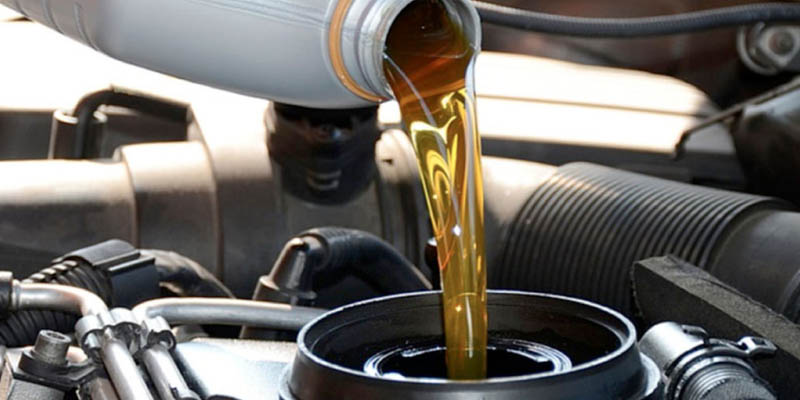
Routine lubrication and cleaning are essential for smooth operation. Maintenance training provides clear guidelines on lubrication intervals, correct lubricants, and cleaning methods. These practices reduce friction, heat buildup, and contamination, all of which shorten machine life if ignored.
Improving Workplace Safety Through Maintenance Training
Safety is another major benefit of Tube Bender Maintenance Training. Tube bending machines involve high forces, moving parts, and automated motion. Improper maintenance increases the risk of accidents.
Reducing Operator Errors
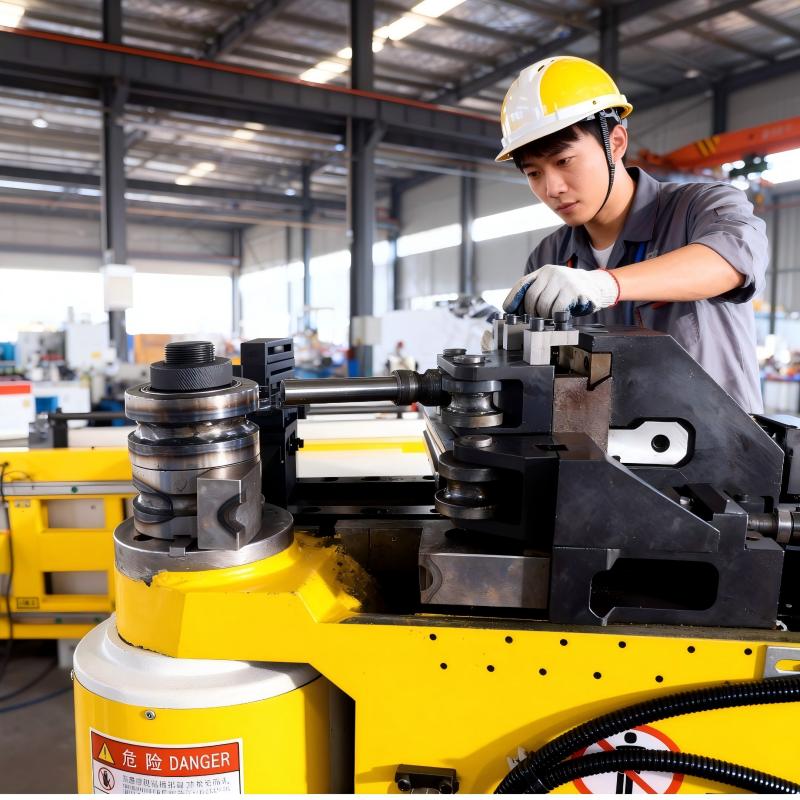
Trained operators understand safe lockout procedures, correct maintenance sequences, and emergency stop functions. This knowledge significantly reduces the risk of injury during maintenance tasks.
Supporting Compliance With Safety Standards
Many regions require documented maintenance and operator training as part of safety compliance. Tube Bender Maintenance Training helps companies meet these requirements while creating a safer working environment.
Lowering Operating and Repair Costs
Maintenance training also delivers clear financial benefits. Well-trained operators reduce repair frequency and avoid unnecessary service calls.
Minimizing Costly Emergency Repairs
Emergency repairs often cost more due to downtime, spare parts availability, and urgent labor. By applying preventive maintenance skills learned in training, operators can schedule repairs at lower cost and with less disruption.
Optimizing Spare Parts Usage
Training teaches operators how to assess component condition accurately. This prevents premature replacement of parts that are still functional while ensuring worn parts are replaced before failure.
Building a Skilled and Confident Maintenance Team
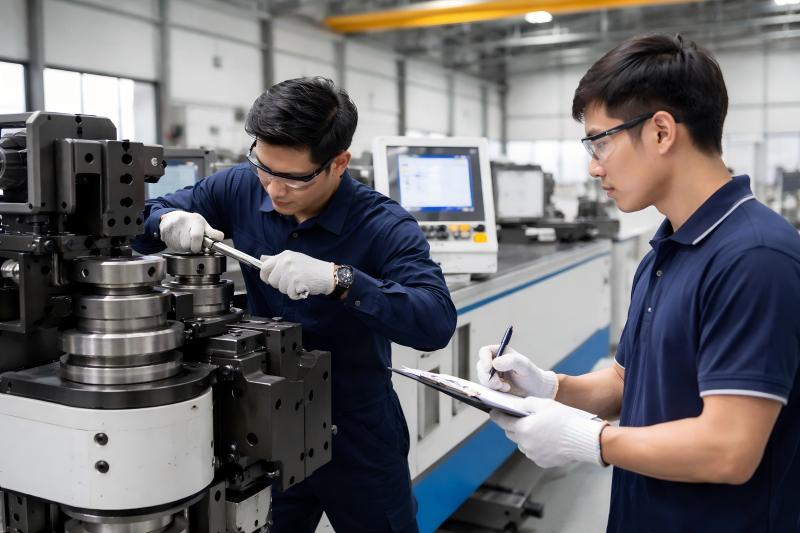
Tube Bender Maintenance Training does more than improve machines; it strengthens the entire production team.
Standardizing Maintenance Procedures
Training creates a shared understanding of maintenance standards across operators and shifts. This consistency improves communication and ensures that maintenance tasks are performed correctly every time.
Increasing Operator Confidence and Accountability
When operators understand how their actions affect machine performance, they take greater ownership of maintenance responsibilities. This confidence leads to better decision-making and improved overall efficiency.
FAQs
How often should Tube Bender Maintenance Training be conducted?
I recommend refresher training at least once a year or whenever new operators, tooling, or machine upgrades are introduced. Regular updates help reinforce best practices.
Can Tube Bender Maintenance Training really reduce downtime?
Yes. Training helps operators identify issues early, perform correct adjustments, and avoid mistakes that lead to sudden machine stops.
Is maintenance training necessary for experienced operators?
Absolutely. Even experienced operators benefit from structured training, especially when working with advanced CNC tube benders and evolving control systems.
What topics should Tube Bender Maintenance Training include?
Effective training should cover daily inspections, lubrication, tooling alignment, calibration basics, safety procedures, and troubleshooting common issues.
Conclusion
The benefits of Tube Bender Maintenance Training go far beyond basic upkeep. Proper training improves reliability, accuracy, safety, and cost control while extending machine lifespan. By investing in structured maintenance education, you create a more skilled team and a more stable production process. If you want to reduce downtime, protect your equipment, and achieve consistent bending quality, maintenance training is one of the most effective steps you can take. For more guidance or technical support, feel free to contact the HARSLE team or explore our related tube bender documentation resources.


