


Tube Bender Motor Overheating is a frequent problem in tube bending operations, and it can lead to production delays or even serious equipment damage if not handled properly. If you’re noticing rising temperatures or unusual behavior from your machine’s motor, this guide will help you pinpoint the most common causes and walk you through effective troubleshooting steps. I’ll show you how to identify the root issue, apply the right solutions, and take preventive actions to keep your tube bender running efficiently and avoid future overheating.
Common Causes of Tube Bender Motor Overheating
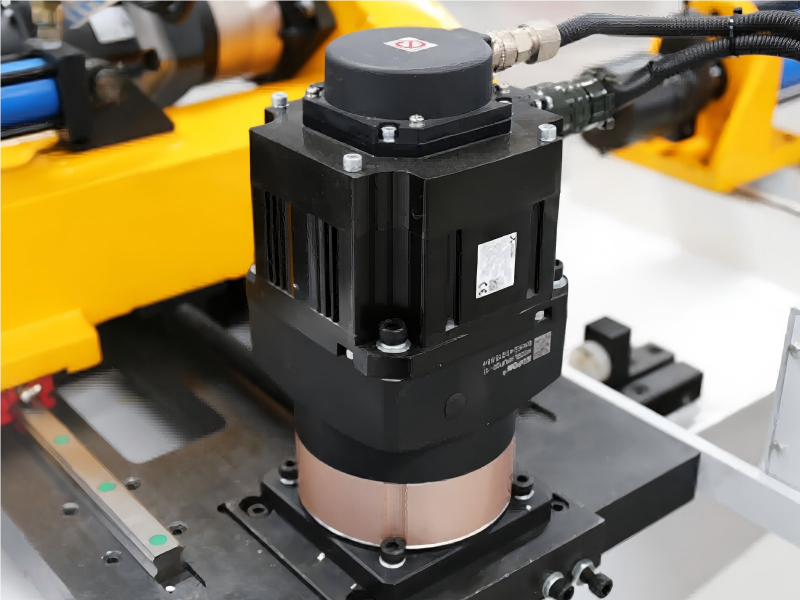
Overloading the Tube Bender
Excessive bending loads are one of the primary reasons for motor overheating. When the motor is forced to handle more than its rated capacity, it generates extra heat, which can lead to performance degradation or failure. To prevent this, always ensure the material thickness and diameter match the machine’s specifications and avoid forcing bends that exceed the recommended limits.
Insufficient Ventilation
Tube bender motors rely on proper airflow to dissipate heat. If vents are blocked by dust, debris, or metal shavings, the motor cannot cool efficiently. Regularly inspect the motor housing and clean any obstructions to maintain optimal ventilation. Installing additional cooling fans or ensuring the machine is in a well-ventilated area can further reduce the risk of overheating.
Electrical Supply Issues
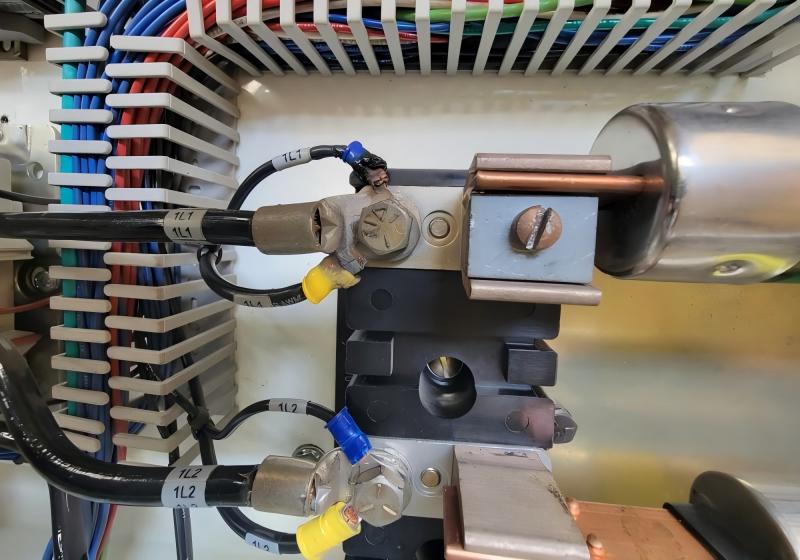
Voltage fluctuations or improper wiring can cause the motor to draw excessive current, resulting in overheating. I always recommend checking the electrical supply to ensure it matches the manufacturer’s requirements. Additionally, verify that all wiring connections are secure and free from corrosion or wear, as poor connections can create hotspots in the motor.
Step-by-Step Troubleshooting for Tube Bender Motor Overheating
Step 1: Monitor Motor Temperature

Begin by checking the motor temperature using an infrared thermometer or built-in sensors if available. Compare the readings to the recommended operating range in the user manual. Continuous high temperatures indicate an active overheating issue that needs immediate attention.
Step 2: Inspect the Motor Load
Evaluate the bending tasks being performed and ensure they are within the machine’s rated capacity. Reduce the load or break down larger jobs into smaller, manageable sections. Overloading the motor consistently will shorten its lifespan and can lead to permanent damage.
Step 3: Clean and Check Ventilation
Remove any dust, metal shavings, or debris from the motor housing and surrounding areas. Confirm that air vents and cooling fans are functioning properly. For machines in dusty environments, consider using protective covers or filters to prevent obstruction and maintain consistent airflow.
Step 4: Verify Electrical Connections
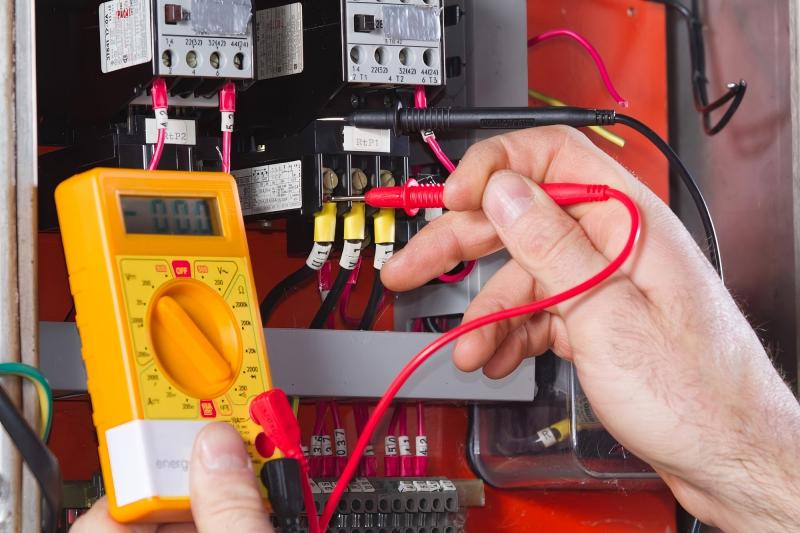
Turn off the machine and inspect all electrical connections, including the power supply and internal wiring. Tighten loose connections, replace worn cables, and ensure the voltage supplied matches the motor’s specifications. Electrical issues are often overlooked but are a critical factor in motor overheating.
Step 5: Test Motor Performance
After performing the above checks, run the tube bender under normal operating conditions. Monitor the motor temperature closely. If overheating persists, it may indicate internal motor issues such as winding damage or bearing wear, which require professional servicing.
Preventive Measures for Tube Bender Motor Overheating
Routine Maintenance
I always emphasize performing regular maintenance, including cleaning the motor, lubricating moving parts, and inspecting electrical connections. Scheduled maintenance reduces the risk of overheating and ensures consistent machine performance.
Proper Material Handling

Use the correct tube sizes and thicknesses for your machine and avoid exceeding its bending capacity. By distributing workloads evenly and avoiding excessive stress on the motor, you can significantly reduce the likelihood of overheating.
Environmental Considerations
Ensure the machine operates in a well-ventilated and temperature-controlled environment. Avoid placing the tube bender near heat sources or in enclosed spaces with limited airflow, as this can contribute to motor overheating.
FAQ
How can I tell if my tube bender motor is overheating?
Signs include unusually high temperatures, smoke, a burning smell, or a noticeable drop in performance. Using a thermometer or built-in sensors helps detect overheating early.
Can repeated motor overheating damage my tube bender?
Yes. Continuous overheating can damage motor windings, bearings, and other components, leading to costly repairs or replacement.
How often should I inspect my tube bender motor?
I recommend checking the motor and electrical components at least once a month or after every 500 hours of operation. Regular inspections help prevent overheating and extend the machine’s lifespan.
Conclusion
Addressing tube bender motor overheating requires a combination of proper load management, electrical inspection, ventilation maintenance, and routine care. By following these troubleshooting steps and preventive measures, you can minimize downtime, improve machine performance, and extend the motor’s life. For further assistance or detailed technical guidance, feel free to contact our support team or consult additional HARSLE documentation.


