


Tube Bender Operator Self-Inspection is often the most practical answer when operators ask me how to improve tube bending machine safety without depending entirely on external technicians or complex safety systems. If you’re looking for a clear explanation of how daily operator checks help reduce accidents, prevent unexpected failures, and protect both personnel and equipment, you’re in the right place. In this article, I’ll walk through how operator self-inspection directly enhances machine safety, what key points should be checked step by step, and how these routines fit into real production environments. Whether you operate a single CNC tube bender or manage an entire bending line, understanding this approach will help you build a safer and more reliable workshop.
Why Tube Bender Operator Self-Inspection Matters for Safety

Tube bending machines operate with high forces, rotating components, and automated movements that can become dangerous if small issues go unnoticed. Tube Bender Operator Self-Inspection plays a critical role because operators are the first line of defense. They work closest to the machine and can detect early warning signs that automated alarms may miss.
By performing regular self-inspection, operators can identify loose fasteners, abnormal noises, oil leaks, or sensor misalignment before these issues escalate into safety hazards. This approach reduces the likelihood of sudden machine movements, tooling breakage, or emergency stops that may put operators at risk.
Key Safety Risks Prevented by Operator Self-Inspection
Mechanical Failures and Unexpected Movement
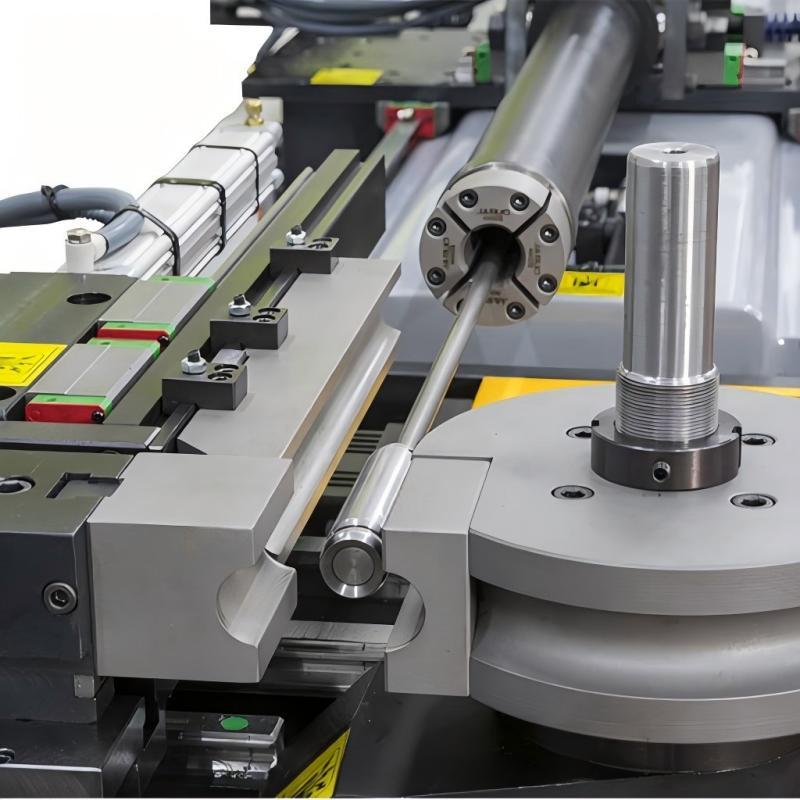
One of the most common safety risks in tube bending comes from mechanical looseness. Bolts, clamps, and mandrels that are not properly secured can shift during bending, causing sudden movements or inaccurate bends. Through Tube Bender Operator Self-Inspection, operators can check these components at the start of each shift, reducing the chance of unexpected motion.
Hydraulic and Lubrication Issues
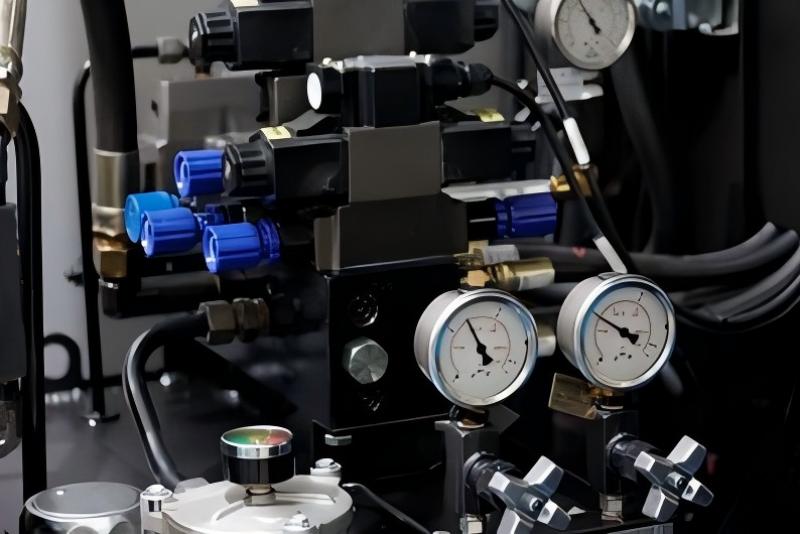
Hydraulic systems power many CNC tube benders, and leaks or pressure instability can quickly become safety hazards. During self-inspection, operators should look for oil stains, hose wear, or unusual pressure fluctuations. Early detection helps prevent sudden loss of control or slipping hazards around the machine.
Electrical and Sensor-Related Safety Risks
Modern tube benders rely heavily on sensors and electrical feedback. Misaligned proximity sensors, damaged cables, or unstable signal connections may cause incorrect positioning or delayed stops. Regular operator self-inspection ensures that sensors remain clean, aligned, and responsive, supporting safe machine operation.
How to Perform Tube Bender Operator Self-Inspection Step by Step
Daily Visual Safety Check Before Startup
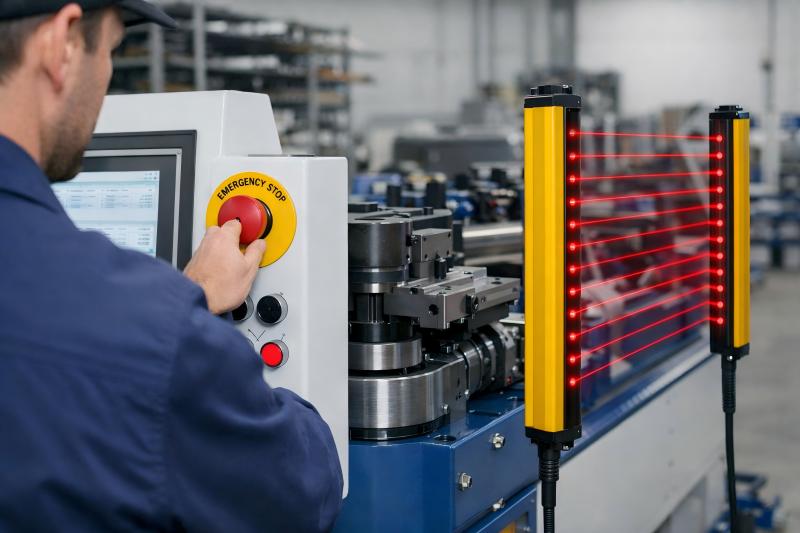
Before powering on the machine, I always recommend starting with a visual inspection. This includes checking guards, safety covers, emergency stop buttons, and light curtains. Operators should confirm that all safety devices are intact and functioning correctly. This simple routine is a core part of Tube Bender Operator Self-Inspection and sets the foundation for a safe shift.
Checking Tooling and Clamping Stability
Tooling directly interacts with the tube and experiences high stress. Operators should verify that bending dies, pressure dies, clamp dies, and mandrels are properly seated and tightened. Any sign of abnormal wear or misalignment should be addressed before production begins.
Monitoring Abnormal Sounds and Vibrations
During machine startup and first bends, operators should listen carefully. Unusual noise, vibration, or resistance often signals hidden problems. By responding immediately, Tube Bender Operator Self-Inspection helps prevent conditions that could lead to sudden failures or unsafe stops.
Integrating Operator Self-Inspection into Daily Production
Building a Consistent Inspection Routine
Safety improves when self-inspection becomes a habit rather than an occasional task. I suggest integrating Tube Bender Operator Self-Inspection into shift change procedures or startup checklists. Consistency ensures that no critical area is overlooked.
Recording Findings for Traceability
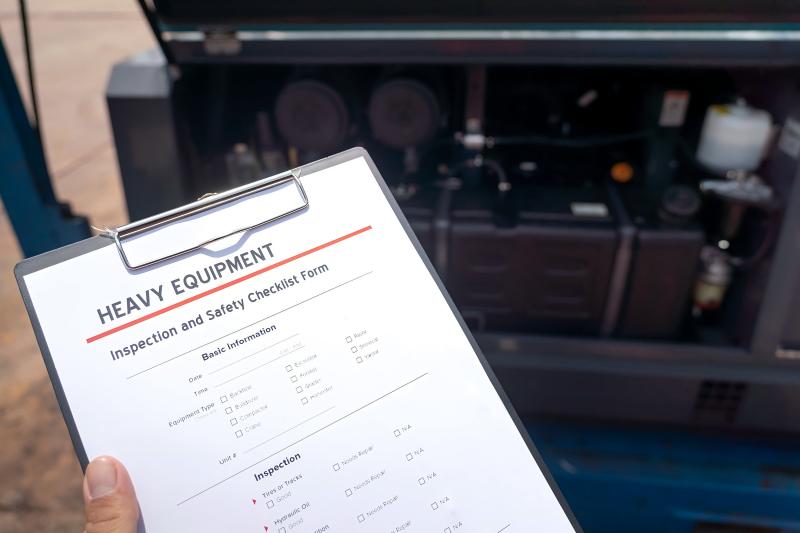
Keeping a simple inspection log allows operators and maintenance teams to track recurring issues. Over time, this data helps identify patterns and improve preventive maintenance planning, further enhancing machine safety.
Coordinating with Maintenance Teams
Operator self-inspection does not replace professional maintenance. Instead, it complements it. When operators report early signs of wear or instability, maintenance teams can intervene before safety risks escalate.
Long-Term Safety Benefits of Tube Bender Operator Self-Inspection
Reduced Accident Risk
By catching problems early, Tube Bender Operator Self-Inspection significantly reduces the chance of accidents caused by sudden machine behavior or component failure.
Improved Operator Awareness and Responsibility
Operators who actively inspect their machines develop a stronger understanding of machine behavior. This awareness leads to safer operation and faster reaction when abnormal conditions occur.
Extended Machine Life with Safer Operation
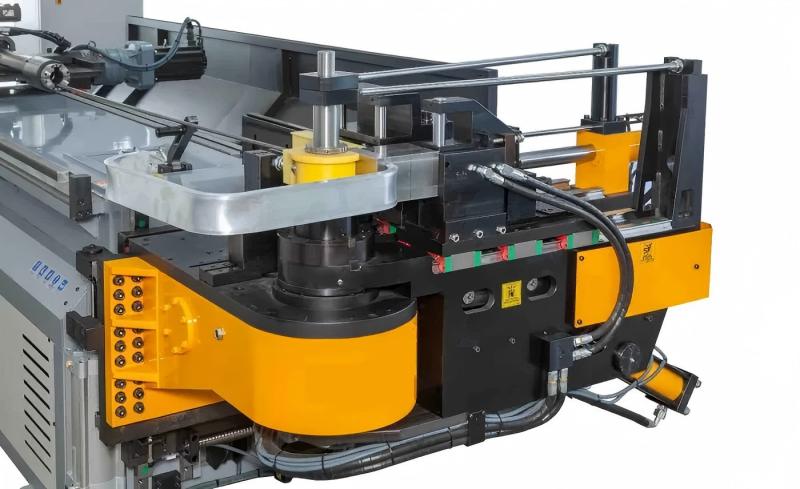
Machines that run smoothly and predictably are inherently safer. Regular self-inspection supports stable operation, reducing stress on components and extending service life.
FAQ
How often should Tube Bender Operator Self-Inspection be performed?
I recommend performing a basic safety-focused self-inspection at the start of every shift, with more detailed checks conducted weekly or when changing tooling.
Can Tube Bender Operator Self-Inspection replace professional safety inspections?
No. Operator self-inspection supports daily safety but does not replace scheduled professional inspections and maintenance. Both are necessary for a safe working environment.
What is the most critical safety check during operator self-inspection?
Emergency stop functions and safety guards are the most critical. If these systems fail, even minor machine issues can become serious safety hazards.
Conclusion
Tube Bender Operator Self-Inspection is one of the most effective ways to improve machine safety without increasing operational complexity. By performing consistent daily checks, monitoring early warning signs, and communicating findings, operators play a vital role in preventing accidents and ensuring stable production. If you want to build a safer tube bending operation or need guidance on creating inspection checklists and training materials, feel free to contact our team or explore related HARSLE documentation for deeper technical support.


