


Tube Bender Power-On Failures can bring your entire fabrication workflow to a halt, especially when you’re relying on the machine for continuous production. If your tube bender refuses to start, this guide will help you understand why. I’ll walk you through the most common causes behind start-up failures and share clear, practical steps to get your equipment running again. Whether the issue is related to electrical power, safety interlocks, or hydraulic start-up conditions, this article will help you pinpoint the problem quickly and restore normal operation with confidence.
Common Causes of Tube Bender Power-On Failures
Understanding the major reasons a tube bender fails to start is the first step toward solving the problem. Many issues are related to electrical supply, safety devices, or internal machine protection logic.
Power Supply Issues in Tube Bender Start-Up
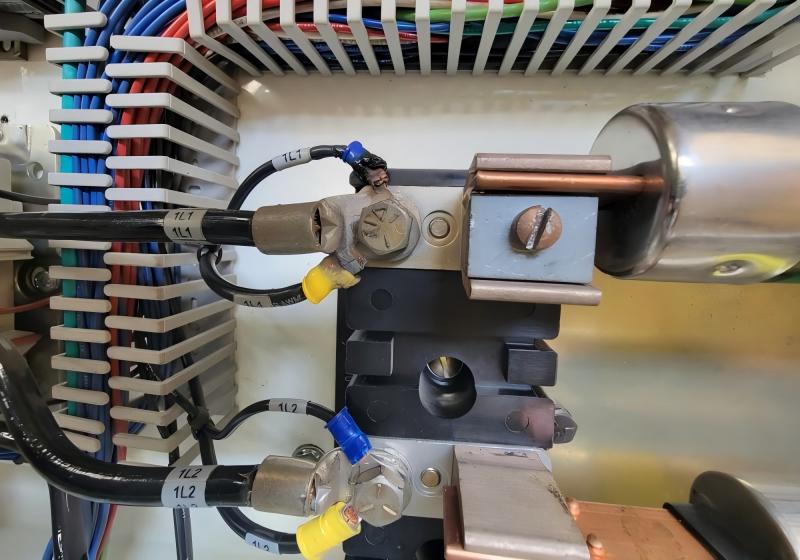
A tube bender cannot power on if the incoming electrical supply is unstable or insufficient. Check the main disconnect switch, verify voltage levels, and ensure that fuses or breakers have not tripped. Loose cables or burnt connectors can also interrupt the start-up sequence.
Safety Interlock Problems Affecting Machine Start-Up
Most modern tube benders include safety circuits—door switches, emergency stops, light curtains, and guard sensors. If any of these are triggered, the machine will refuse to power on. Inspect each safety device to confirm it is closed, reset, and functioning properly.

Internal Control System Faults
If the PLC or CNC controller detects abnormal sensor feedback, overheating, or communication errors, it may block the power-on command. Review the control panel for alarm codes, then follow the manufacturer’s troubleshooting steps.
Step-by-Step Guide: How to Troubleshooting Tube Bender Power-On Failures
This section provides a simple and workable method to diagnose power-on issues, starting from basic checks to deeper system analysis.
Step 1 – Check the Main Power Connection
Before anything else, verify the main power source. Make sure the machine’s disconnect switch is turned on and the incoming voltage matches the required specification. An unstable power supply can lead to inconsistent machine startup.
Step 2 – Inspect All Emergency Stop Buttons
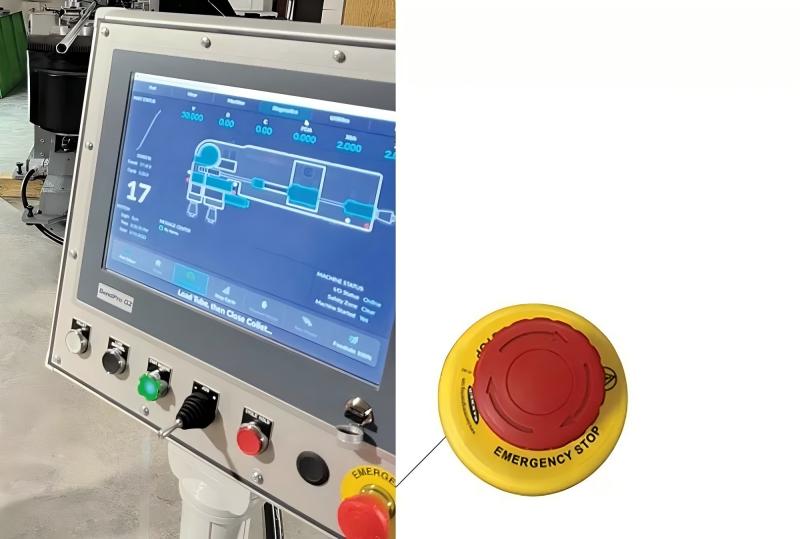
Tube benders often have multiple emergency stop (E-STOP) buttons. Even one pressed E-STOP will prevent the machine from powering up. Walk around the machine and release each button by rotating or pulling it, depending on the design. After resetting the E-STOP, attempt to power on the machine again.
Step 3 – Confirm the Safety Circuit Status
Safety circuits are essential, but they can also be the reason for power-on failures. Check guard doors, interlock switches, light curtains, or magnetic safety sensors. If any of them are out of position or dirty, the machine may assume a safety breach and refuse to start.
Step 4 – Verify Controller and PLC Alarms
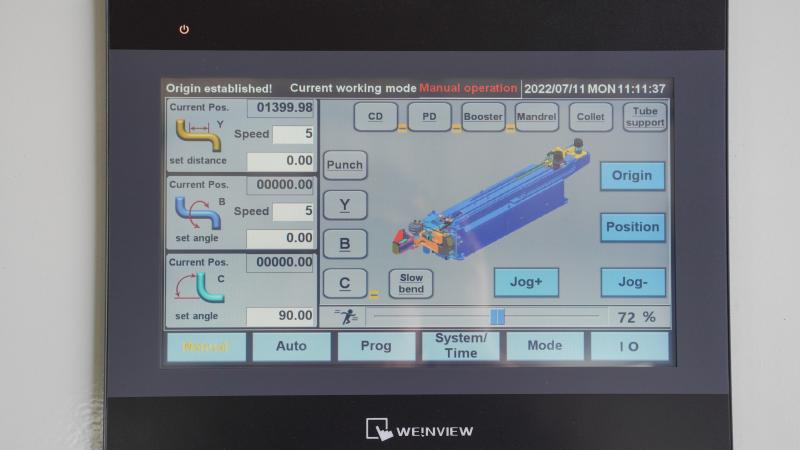
If the tube bender shows alarm codes, it means the system has detected abnormal conditions. Review the alarm list on the controller screen. Common issues include low hydraulic oil temperature, communication errors, sensor signal loss, or axis overload. Clear the alarms before attempting to start the machine again.
Step 5 – Inspect the Main Electrical Cabinet
Open the electrical cabinet and check for loose terminals, blown fuses, or tripped circuit breakers. Excessive dust or moisture inside the cabinet can also cause short circuits, preventing the machine from powering on. Clean the cabinet if necessary.
Step 6 – Check Hydraulic System Start Conditions
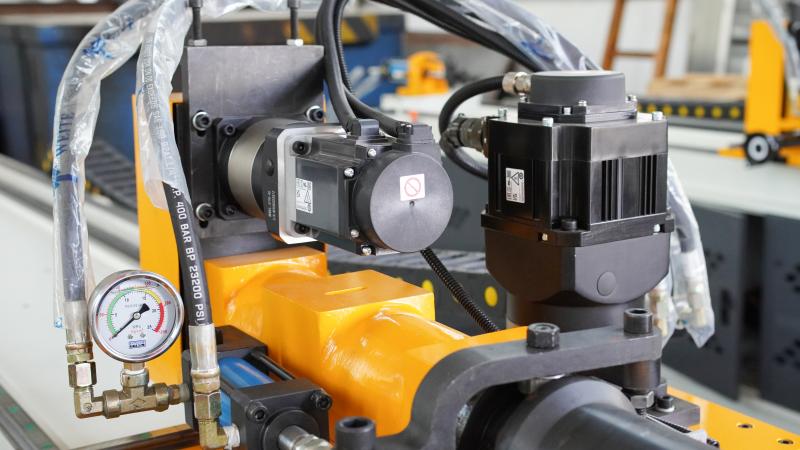
Some tube benders will not power on unless hydraulic pressure is detected. Ensure the hydraulic pump motor is functioning, the oil level is adequate, and the temperature is within the operational range. Low oil or cold oil may trigger safety protection logic.
Step 7 – Review Operator Panel and Key Switches
Make sure the operator panel keyswitch is set to “ON” mode. Also confirm that operational modes such as manual, auto, or jog are selected correctly. Sometimes an incorrect mode selection stops the machine from powering up.
Step 8 – Restart the Machine Safely
Once all checks are completed, turn off the main power, wait 10–15 seconds, then restart the machine. This allows the PLC and CNC controller to reset. If the machine still won’t power on, further diagnosis may be required.
Advanced Troubleshooting Tips for Persistent Power-On Failures
Check for Overload or Overheat Protection
Tube benders may include thermal overloads or motor protection relays that disconnect power when detecting abnormal current. Reset these relays manually if they have tripped.
Inspect Sensor Wiring and Signal Feedback
If tube bender limit switches, encoders, or pressure sensors fail to send feedback to the controller, the machine’s logic may block startup. Check each sensor for loose wiring or signal interruption.
Evaluate Software or Parameter Issues
Incorrect CNC parameter settings can also prevent start-up. If the issue started after parameter changes, restore default settings or reload the backup configuration.
FAQs
Why does my tube bender show no response when I press the power button?
A tube bender may not respond if the incoming power is insufficient, the emergency stop is triggered, or the safety interlock is open. Check the main power line and ensure all safety devices are reset.
How do safety circuits cause Tube Bender Power-On Failures?
If any guard door, photoelectric sensor, or magnetic switch is activated, the machine’s control logic blocks the power-on command to protect the operator. Reset or realign the safety devices before powering on.
What should I do if the controller shows an alarm during start-up?
Follow the alarm description on the screen, check the related part (sensors, motors, valves), and clear the alarm. The machine will not power on until all alarms are cleared.
Can hydraulic issues prevent the tube bender from powering up?
Yes. Low oil level, cold oil, or hydraulic pump failures can trigger protection logic. Ensure proper oil conditions and verify pressure signals.
When should I call technical support?
If you have inspected the electrical supply, safety circuits, controller alarms, and hydraulic systems but the machine still doesn’t power on, professional diagnostics may be required.
Conclusion
Troubleshooting Tube Bender Power-On Failures becomes much easier once you understand how electrical systems, safety devices, and controller logic interact. By following the step-by-step methods in this guide, you can quickly identify the cause of the failure and restore your machine to normal operation. Keeping your safety circuits clean, checking the controller regularly, and maintaining stable power supply will help you prevent most start-up problems.
If you need deeper assistance or want support directly from the HARSLE engineering team, feel free to reach out anytime. Our team is ready to help you keep your tube bending operations running smoothly.


