


Tube Bender Preventive Maintenance plays a critical role when bending accuracy begins to drift or unexpected downtime occurs, as these issues are often caused by neglected care on key machine components. If you are searching for a clear and practical guide on where to focus your maintenance efforts, you are in the right place. In this article, I’ll explain which components have the greatest influence on bending precision, machine reliability, and long-term operating costs. By understanding which parts require regular inspection and proper care, you can prevent failures before they occur and keep your tube bender operating smoothly, consistently, and predictably.
Key Mechanical Components in Tube Bender Preventive Maintenance
Bending Die and Clamp Die Condition
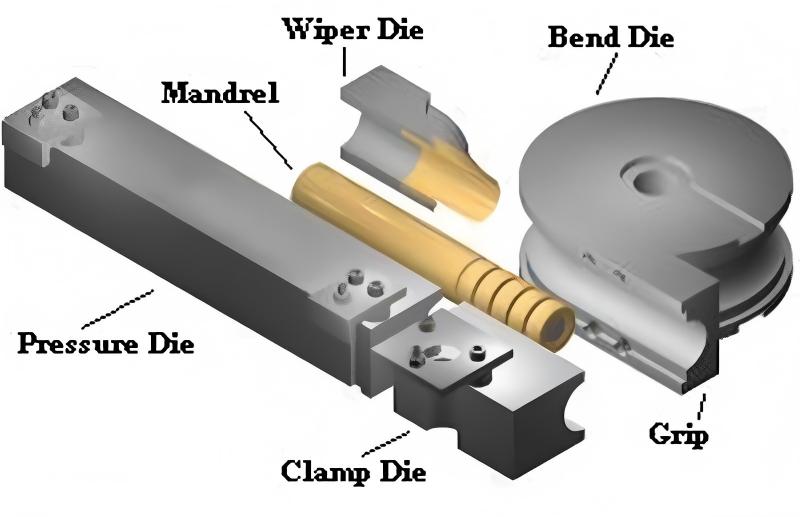
The bending die and clamp die directly shape the tube, so their condition is critical to Tube Bender Preventive Maintenance. Worn die grooves, surface scratches, or material buildup can cause slippage, ovality, or inconsistent bend angles. I always recommend inspecting dies for wear patterns, checking surface hardness, and cleaning them regularly. For high-volume production, rotating or resurfacing dies at planned intervals helps maintain consistent bending quality and reduces scrap.
Pressure Die and Assist Systems
The pressure die supports the tube during bending and prevents excessive deformation. If pressure die alignment is off or the assist mechanism is not functioning smoothly, you may see wrinkling or wall thinning. Preventive maintenance here includes checking linear guides, lubrication points, and pressure settings. Proper adjustment ensures stable tube support and reduces stress on the bending arm and hydraulic or servo systems.
Mandrel and Mandrel Rod Assembly
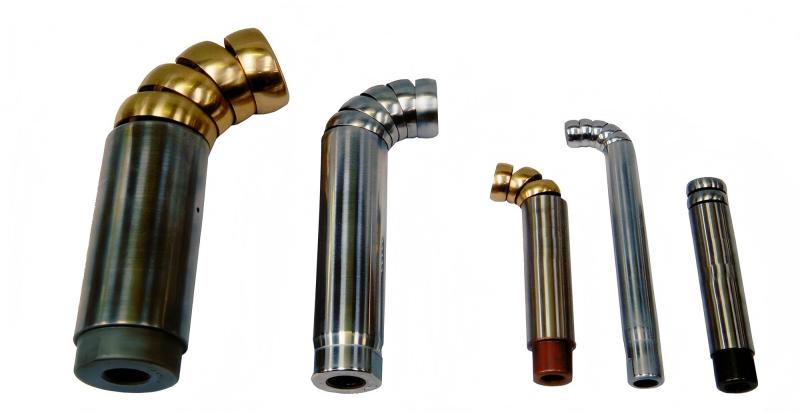
The mandrel system is one of the most sensitive components in tube bender preventive maintenance. A worn mandrel ball, bent mandrel rod, or improper lubrication can quickly lead to internal tube damage. I recommend regular inspection of mandrel balls, checking rod straightness, and ensuring the lubrication system delivers the correct amount of lubricant. Matching mandrel type to tube material and radius is also part of preventive care, not just setup.
Hydraulic and Servo Systems That Require Regular Attention
Hydraulic Cylinders and Seals
For hydraulic tube benders, cylinders and seals play a major role in motion stability. Oil leaks, pressure loss, or seal wear directly affect bending accuracy and repeatability. As part of Tube Bender Preventive Maintenance, I routinely check for leaks, monitor system pressure, and inspect seals during scheduled downtime. Replacing seals before failure helps avoid contamination and costly repairs.
Servo Motors and Drive Systems

On CNC tube benders, servo motors control rotation, feed, and bending angles. Dust buildup, loose couplings, or overheating can cause positioning errors. Preventive maintenance includes cleaning motor surfaces, checking encoder feedback, and verifying torque settings. Keeping servo systems calibrated ensures smooth motion and protects expensive electronic components.
Electrical and Control Components to Monitor
Sensors and Limit Switches
Sensors are often underestimated in tube bender preventive maintenance, yet they are a common source of unexpected stops. Position sensors, pressure sensors, and limit switches must be kept clean and properly aligned. I recommend verifying sensor signals during routine inspections and recalibrating them after tooling changes or mechanical adjustments.
CNC Controller and Electrical Cabinet

The CNC controller coordinates every bending action, so stable operation depends on a clean and well-maintained electrical cabinet. Preventive maintenance includes checking cooling fans, cleaning filters, tightening terminals, and backing up machine parameters. These small steps can prevent sudden controller faults and data loss.
Lubrication and Guide Systems for Long-Term Stability
Linear Guides and Slideways

Smooth movement is essential for accurate bending. Dry or contaminated linear guides increase friction and wear. In my experience, consistent lubrication schedules are one of the simplest yet most effective tube bender preventive maintenance practices. Always use the manufacturer-recommended lubricant and inspect guide surfaces for scoring or debris.
Lubrication System Performance
Automatic lubrication systems must be checked regularly to ensure proper flow. Blocked lines or empty reservoirs can quietly damage multiple components at once. I make it a habit to confirm lubricant delivery points and refill intervals as part of routine inspections.
FAQ
Which component fails most often without preventive maintenance?
Sensors and mandrel systems are among the most common failure points. They operate continuously and are sensitive to contamination, misalignment, and lubrication issues.
How often should I inspect key components for tube bender preventive maintenance?
Visual checks should be done daily, while detailed inspections are best scheduled every 500–1,000 operating hours, depending on workload and material type.
Can preventive maintenance really improve bending accuracy?
Yes. Consistent maintenance stabilizes pressure, motion, and alignment, which directly improves bend angle accuracy and repeatability.
Is tube bender preventive maintenance different for CNC machines?
CNC machines require additional attention to servo drives, sensors, and control systems, but the core mechanical maintenance principles remain the same.
Conclusion
Tube Bender Preventive Maintenance is not about maintaining every component equally; it’s about focusing on the parts that matter most. By paying close attention to tooling, mandrels, hydraulic or servo systems, sensors, and lubrication, you can significantly reduce downtime and extend machine life. In my experience, a structured preventive approach delivers more consistent bending quality and lower long-term operating costs. If you want guidance tailored to your tube bender model or production needs, feel free to contact the HARSLE team or explore our related maintenance documentation for deeper technical support.


