


Tube Bender Suitability plays a decisive role in determining how efficient and productive your metal fabrication workshop can be. Selecting the right tube bender isn’t just about purchasing a machine—it’s about ensuring that its capabilities align perfectly with your material types, production volume, and precision demands. In this article, I’ll guide you through practical ways to evaluate whether a tube bender meets your workshop’s real requirements. You’ll discover how to analyze machine capacity, automation level, tooling flexibility, and energy efficiency to make an informed, cost-effective investment that enhances your overall production performance.
Understanding Tube Bender Suitability
What Does Tube Bender Suitability Mean?
Tube Bender Suitability refers to how well a machine aligns with your production goals. It’s not only about whether it can bend tubes—it’s about how efficiently and accurately it performs within your specific workflow. A suitable tube bender should handle your material types, diameters, and bending angles without causing deformation or excessive setup time.
Why It Matters for Metal Fabrication
Selecting a machine with poor suitability can lead to wasted materials, frequent maintenance, and reduced throughput. On the other hand, choosing a model that perfectly matches your workshop’s requirements ensures consistent performance, longer tool life, and higher profit margins.
How to Assess Tube Bender Suitability for Your Workshop
Step 1: Define Your Production Requirements
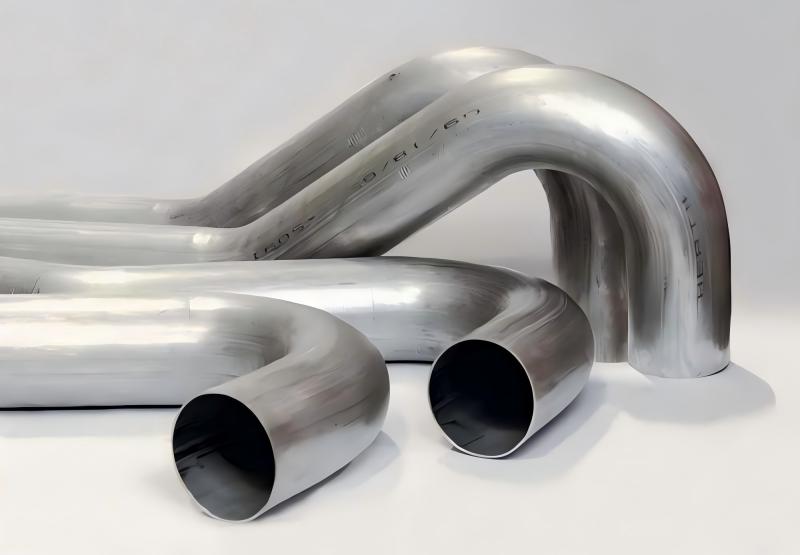
Start by listing your tube sizes, wall thicknesses, and materials—such as stainless steel, aluminum, or copper. Each material reacts differently under pressure, so your chosen tube bender must provide adequate tonnage and bending radius control. For example, if you’re producing automotive exhaust systems or furniture frames, you’ll need a machine that can handle both thin-wall precision bends and thicker sections with high repeatability.
Step 2: Check Bending Capacity and Power Type
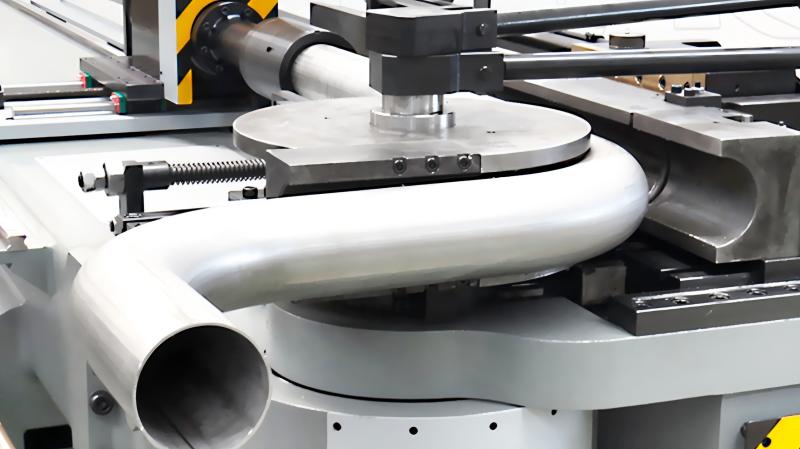
Evaluate the machine’s bending force, maximum tube diameter, and centerline radius. Hydraulic tube benders are ideal for heavy-duty, high-force operations, while electric or hybrid models offer precision and energy savings. If your production requires frequent adjustments or quick setups, an electric servo-driven tube bender may provide better control and lower energy consumption.
Step 3: Consider Automation and Control System
Modern CNC tube benders with multi-axis control systems—such as those equipped with touchscreen interfaces and programmable bending sequences—significantly improve accuracy and reduce manual input. Assess whether your workshop benefits more from a fully automated CNC system or a semi-automatic NC model. For small-batch custom work, a simpler setup may suffice; for continuous high-volume bending, automation ensures consistent results and shorter cycle times.
Step 4: Evaluate Tooling and Setup Flexibility
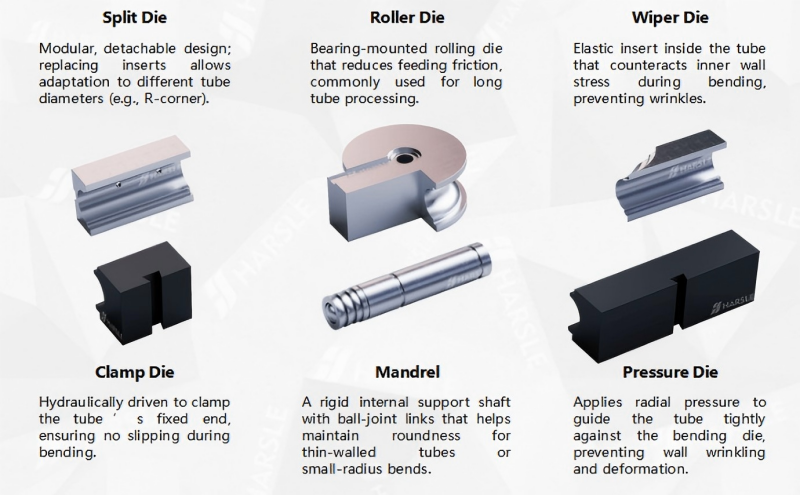
Tooling compatibility plays a key role in tube bender suitability. Check whether the machine supports quick-change tooling or modular dies for different diameters and radii. Flexible tooling not only shortens changeover time but also expands your production capabilities—allowing you to switch between different tube profiles without downtime.
Step 5: Inspect Software and Programming Capabilities
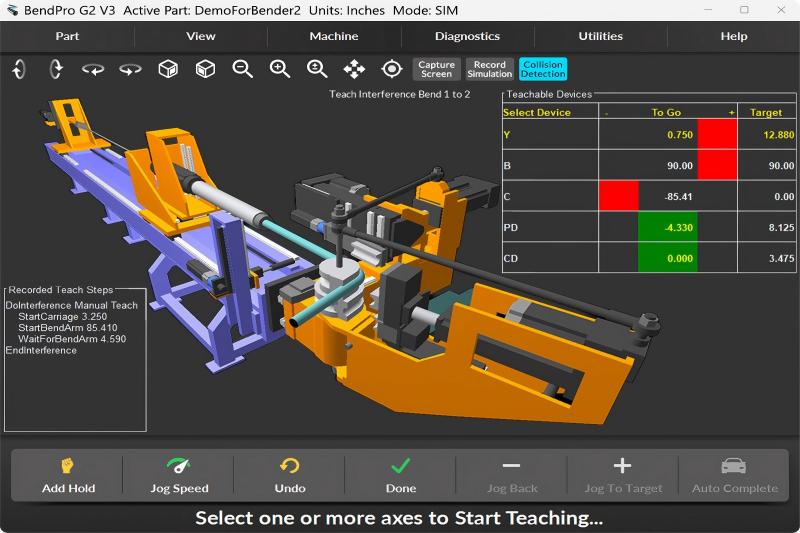
Advanced machines often include 3D simulation software that visualizes the bending process and detects potential collisions before actual production. If your workshop handles complex geometries or multi-plane bending, investing in a machine with offline programming and automatic correction features ensures fewer errors and less waste.
Step 6: Factor in Maintenance and Service Support
Even the most advanced equipment requires regular maintenance. Choose a brand that provides local technical support, spare parts availability, and online assistance. Machines with intelligent diagnostic systems can alert you to maintenance needs before downtime occurs, which is especially beneficial for high-volume production environments.
Common Mistakes When Evaluating Tube Bender Suitability
Ignoring Future Production Needs
Many workshops select a tube bender that fits their current workload but fail to account for expansion. Always consider potential upgrades, such as additional bending axes or automatic feeding attachments.
Overlooking Energy Efficiency
Energy-saving tube benders reduce operational costs in the long run. Compare the energy consumption of hydraulic vs. electric systems before purchasing.
Neglecting Operator Skill Level
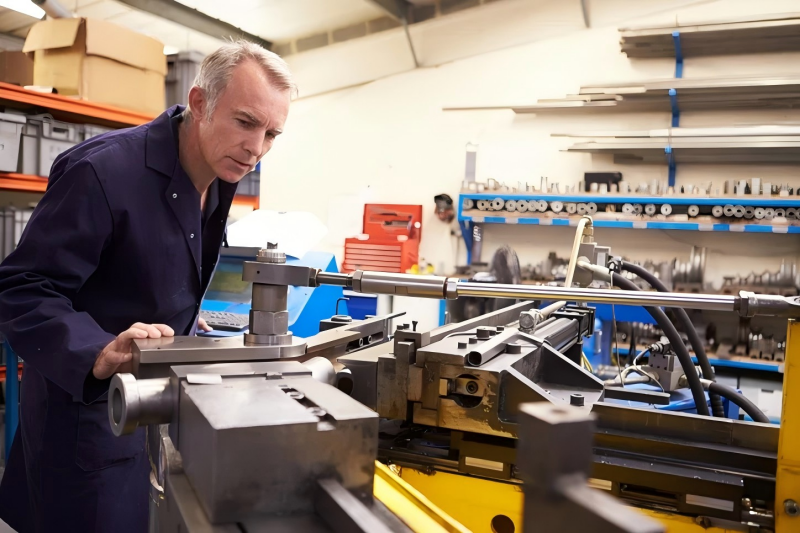
A highly advanced CNC machine might not be ideal if your team lacks training. Choose a system that matches your staff’s technical expertise and includes comprehensive training support.
FAQ Section
How can I tell if my current machine meets Tube Bender Suitability standards?
Review your machine’s bending accuracy, setup time, and energy consumption. If you experience frequent adjustments, material waste, or inconsistent results, it may be time to upgrade to a more suitable model.
What’s the best Tube Bender Suitability choice for small workshops?
For small or medium workshops, a semi-automatic NC tube bender provides a balance between precision and affordability, especially when handling low-to-medium production volumes.
Does automation always mean better Tube Bender Suitability?
Not necessarily. Full automation is ideal for large-scale production, but for custom or low-batch jobs, a semi-automatic model might offer greater flexibility and faster ROI.
How does tooling affect Tube Bender Suitability?
Properly matched tooling prevents tube flattening, wrinkling, and springback. Investing in high-quality, compatible tooling ensures smooth bending and consistent product quality.
Conclusion
Evaluating Tube Bender Suitability is about understanding your workshop’s production goals, materials, and long-term efficiency needs. By focusing on machine capacity, automation level, tooling options, and support availability, you can select equipment that delivers both performance and profitability.
If you’re ready to optimize your bending operations or want expert advice on machine selection, contact the HARSLE technical team today—we’ll help you find the perfect tube bender for your production line.


