


When it comes to modern vehicle production, precision and efficiency are everything. Tube Benders in Automotive Manufacturing play a vital role in shaping exhaust systems, chassis components, and hydraulic lines with accuracy and speed. If you’re wondering how these machines enhance quality, productivity, and cost savings in automotive fabrication, you’re in the right place. In this article, I’ll explain the key benefits of using tube benders in car manufacturing, explore their applications, and show you how they contribute to stronger, lighter, and more efficient vehicles.
How Tube Benders Improve Automotive Production
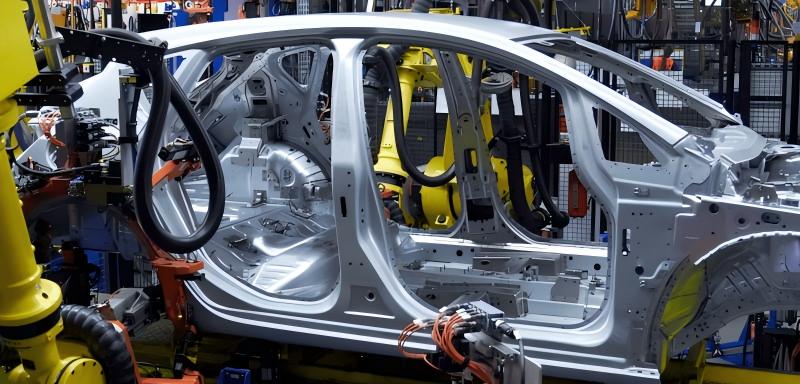
Tube benders are essential in every stage of automotive manufacturing—from prototyping to mass production. They simplify complex bending processes, ensuring high repeatability and dimensional consistency across thousands of parts.
Enhanced Precision and Consistency
One of the main benefits of tube benders in automotive manufacturing is their ability to deliver repeatable precision. CNC-controlled tube benders ensure that each bend angle, radius, and dimension is identical to the digital design, reducing material waste and rework. This precision is especially critical for exhaust pipes, roll cages, and chassis frames where even small deviations can impact performance and safety.
Increased Production Efficiency
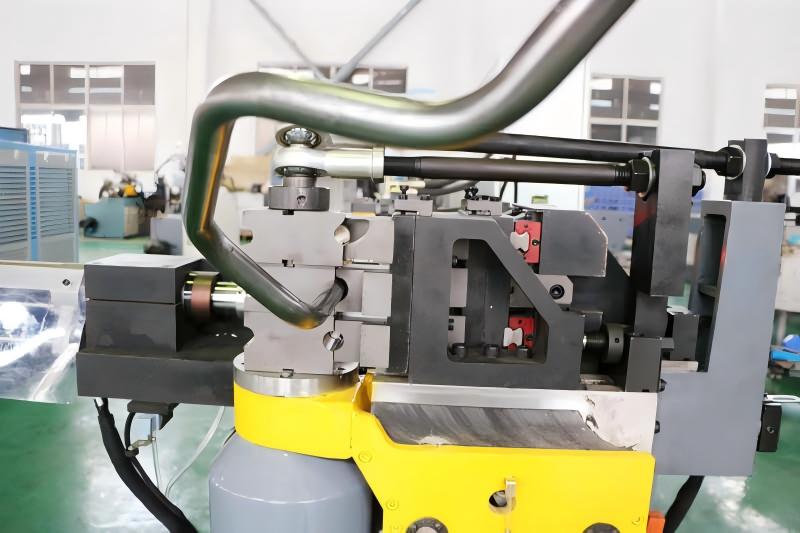
Automotive factories demand high-speed and continuous production. Automated tube benders minimize manual handling, reduce setup time, and allow operators to program multiple bends in a single cycle. By integrating servo motors and automatic feeding systems, these machines can achieve consistent output with minimal downtime, helping manufacturers meet tight deadlines without sacrificing quality.
Improved Material Utilization
Tube benders optimize material use by calculating the most efficient bending sequence and minimizing scrap lengths. This not only saves raw material costs but also supports sustainability goals—a growing concern in the automotive sector. Efficient material management also allows manufacturers to experiment with lightweight materials such as aluminum and stainless steel without compromising structural strength.
Applications of Tube Benders in Automotive Manufacturing
Exhaust and Muffler Systems
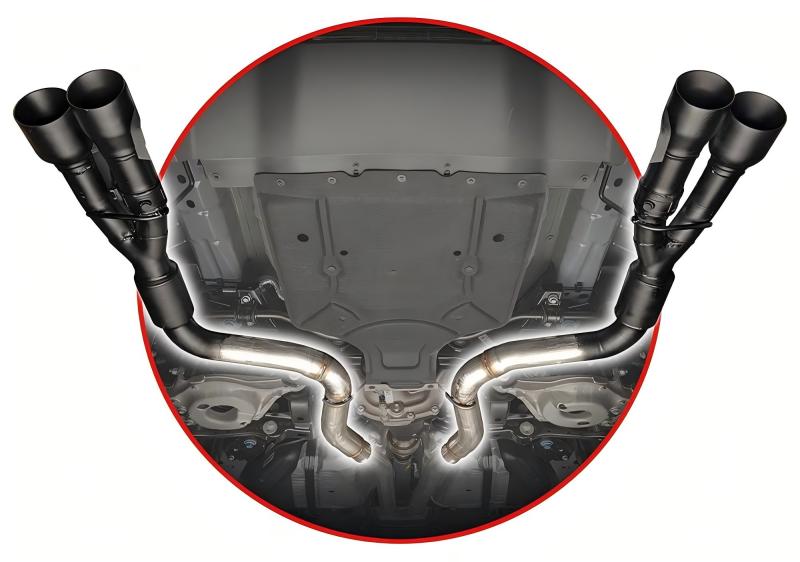
Tube benders are widely used to produce exhaust manifolds, catalytic converter pipes, and muffler systems. The ability to create precise, smooth curves ensures optimal airflow, better performance, and compliance with emission standards.
Chassis and Frame Construction
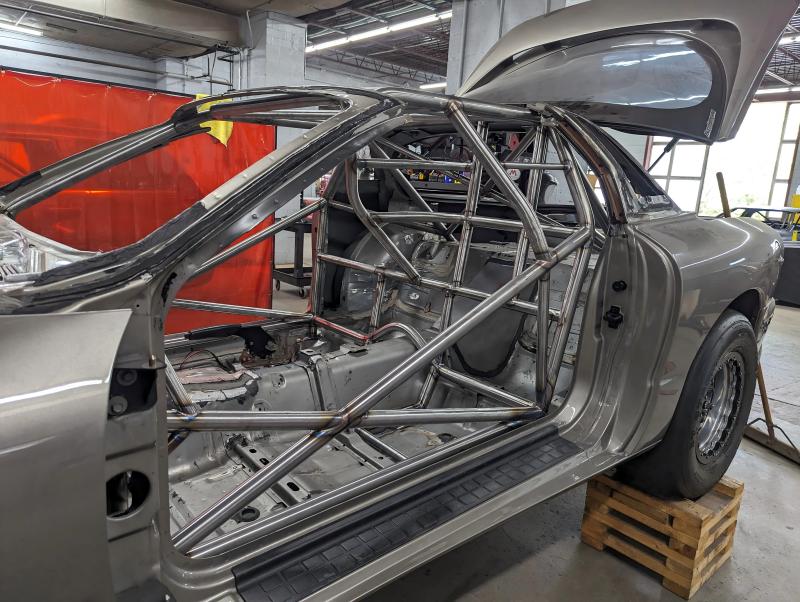
In vehicle frame construction, tube benders help form roll bars, roof frames, and support structures with high mechanical strength. Consistent bending ensures uniform stress distribution, improving overall vehicle stability and safety.
Brake, Fuel, and Hydraulic Lines
Precision tube bending is critical for small-diameter tubes used in brake, fuel, and hydraulic systems. CNC tube benders can bend these tubes without kinking, preserving flow integrity and maintaining safety under pressure.
Seating and Interior Components
Automotive seats and interior structures also rely on tube bending for ergonomic shapes and lightweight designs. With programmable tube benders, manufacturers can achieve complex forms with perfect repeatability.
How to Choose the Right Tube Bender for Automotive Applications
Consider the Tube Material and Diameter
Different materials require different bending forces and tooling. For example, stainless steel needs higher torque, while aluminum requires softer pressure to prevent cracks. Always choose a machine that matches your material type and diameter range.
Look for Automation and CNC Control
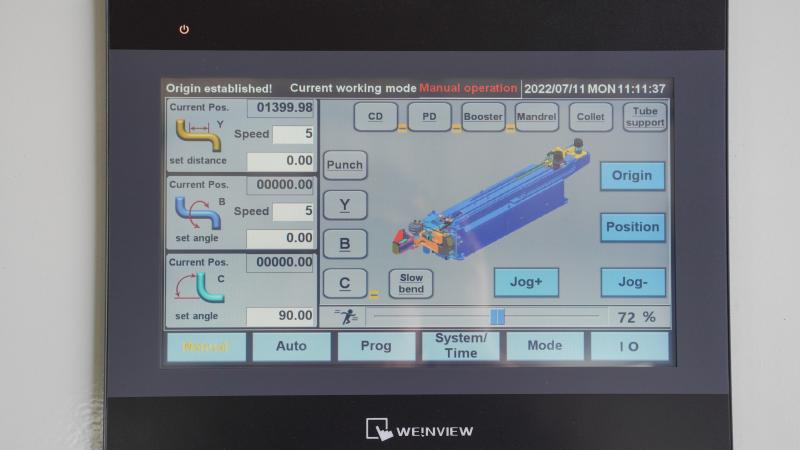
CNC tube benders allow operators to input bend angles, rotation degrees, and length settings through intuitive software. This ensures accuracy and reduces the risk of operator error—essential for high-volume automotive manufacturing.
Evaluate Production Volume
If your production demands are continuous and large-scale, opt for a fully automatic CNC tube bender with multi-stack tooling. For smaller batches or prototyping, a semi-automatic model might be more cost-effective.
FAQ
How do tube benders improve accuracy in automotive components?
Tube benders use servo-driven motion and digital control systems to maintain precise bending angles and repeatable dimensions, ensuring that every component fits perfectly during assembly.
Can tube benders handle high-strength materials used in modern vehicles?
Yes, advanced tube benders are designed with high-torque drives and robust tooling to bend materials like stainless steel and high-strength alloys without cracking or deformation.
What maintenance is required to keep tube benders in top condition?
Regular cleaning, lubrication, and calibration of the bending head and tooling are essential. Most manufacturers recommend a full inspection every 500–1,000 working hours.
Are CNC tube benders worth the investment for automotive applications?
Absolutely. Although the initial cost is higher, CNC benders dramatically reduce labor, minimize waste, and ensure long-term consistency—offering a faster return on investment for automotive production lines.
Conclusion
Tube benders in automotive manufacturing are more than just forming tools—they are key enablers of precision, productivity, and innovation. By integrating advanced CNC control, automation, and intelligent material handling, they help car manufacturers produce stronger, lighter, and more efficient vehicles. Whether you’re upgrading your production line or starting a new project, investing in a high-quality tube bender is a smart step toward improving efficiency and quality.
If you’d like to learn more about selecting the right tube bender for your automotive applications or want to explore HARSLE’s range of precision bending solutions, feel free to contact our technical team for professional advice and customized support.


