


When it comes to large-scale projects, precision and durability are everything. If you’re wondering why Tube Benders in Construction Engineering have become essential equipment for modern infrastructure and structural design, you’re in the right place. In this article, I’ll explain how these machines improve accuracy, reduce waste, and optimize workflow in metal framework production. Whether you’re managing a construction site, fabricating structural components, or planning to upgrade your production line, this guide will help you understand why investing in tube benders is a smart decision for long-term efficiency and quality.
How Tube Benders Support Modern Construction Engineering
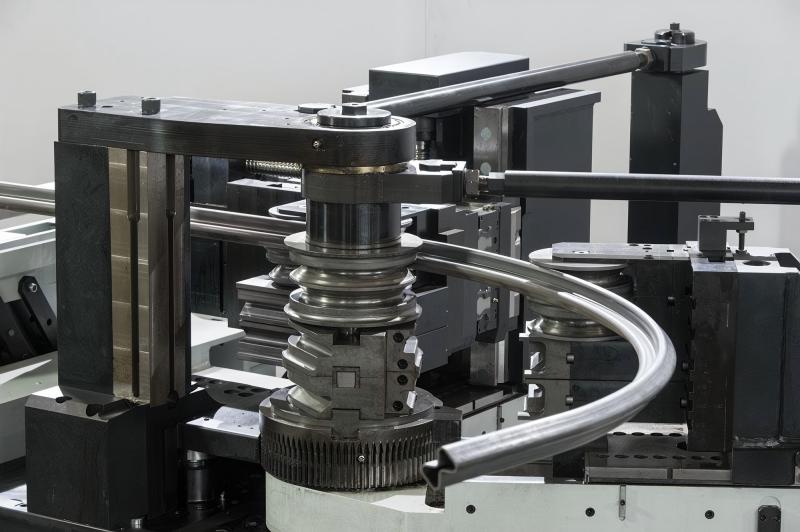
Tube benders play a critical role in forming structural elements used in bridges, buildings, and industrial frameworks. With construction materials evolving toward lighter and stronger metals, manual bending is no longer practical. Tube Benders in Construction Engineering provide consistent, repeatable bends that meet exact specifications and ensure structural integrity under load.
Precision for Complex Frameworks
Modern construction projects often require curved metal structures—such as handrails, support frames, and pipelines—that demand high accuracy. CNC tube benders use programmable controls to achieve precise bending angles and radii without material deformation. This precision ensures that each component fits perfectly during assembly, minimizing on-site adjustments and reducing material waste.
Increased Efficiency and Productivity
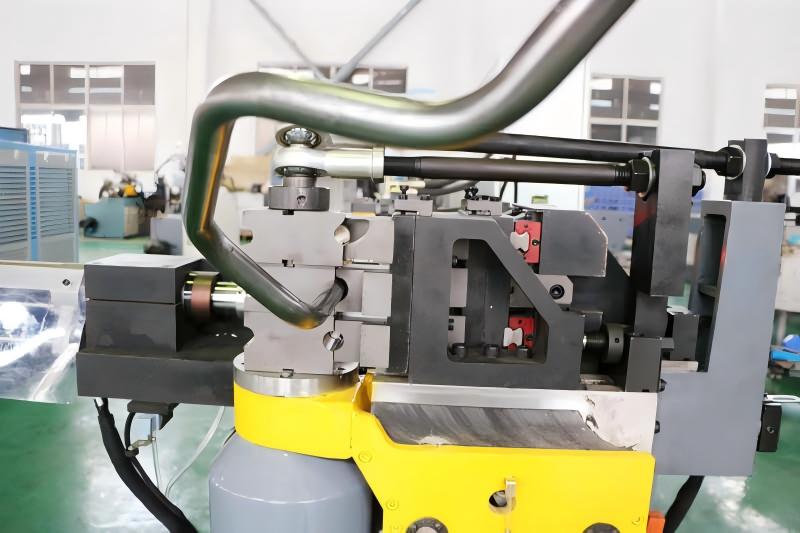
Using automated tube benders significantly speeds up the fabrication process. Operators can pre-set multiple bending programs, allowing the machine to perform continuous operations with minimal supervision. For companies handling repetitive tasks like producing beams, trusses, or tubular frames, this automation means higher output, shorter lead times, and lower labor costs.
Strength and Safety in Structural Applications
In construction and structural engineering, even minor inaccuracies can compromise safety. Tube benders prevent cracks and distortions by maintaining uniform wall thickness during bending. This mechanical consistency is vital for load-bearing elements and ensures compliance with international construction standards. The result is safer, longer-lasting infrastructure.
Choosing the Right Tube Bender for Construction Projects
Selecting the proper tube bender depends on the type of material, tube diameter, and project scale. Here are the main considerations before investing.
Material Compatibility

Tube benders should be compatible with various materials like steel, aluminum, copper, and stainless steel. For heavy-duty construction projects, hydraulic or electric CNC benders are ideal since they handle thick-walled tubes without compromising accuracy.
Machine Capacity and Control System
Evaluate the machine’s bending force, maximum diameter capacity, and control system. CNC-controlled benders allow for storing multiple programs, perfect for projects requiring high customization or complex multi-radius bends.
Maintenance and After-Sales Support
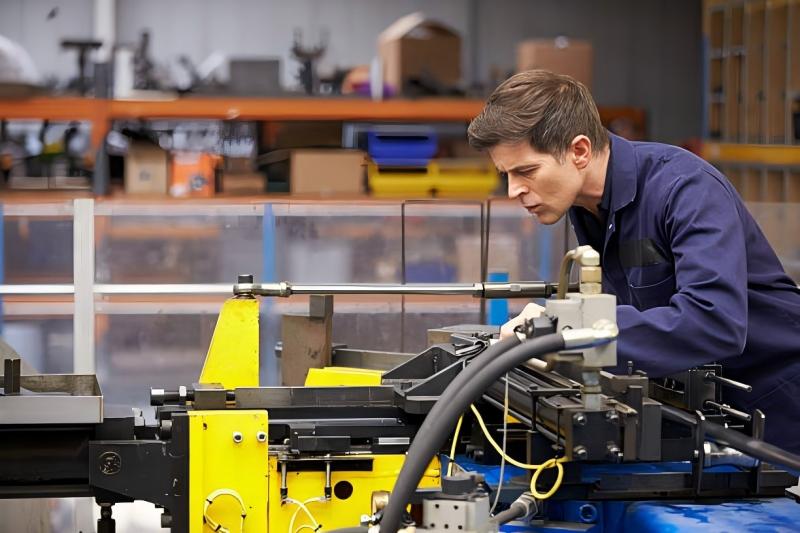
Reliable after-sales service ensures long-term performance. Regular maintenance—such as checking hydraulic fluid levels, lubricating moving parts, and calibrating bending angles—keeps your machine performing efficiently. Investing in a brand that offers technical training and remote support can minimize downtime and boost production reliability.
Applications of Tube Benders in Construction Engineering
Fabrication of Metal Frameworks
From columns and beams to curved roofing supports, tube benders allow engineers to create durable, aesthetically pleasing designs that meet both functional and architectural requirements.
Bridge and Pipeline Construction
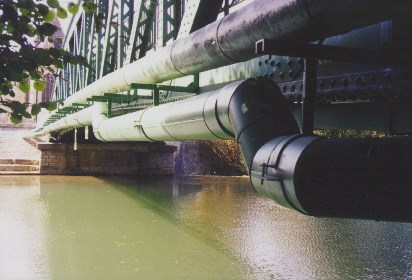
Tube benders are vital for bending pipes and beams used in bridge decks, guardrails, and fluid transport systems. Their precision ensures alignment across long distances, enhancing structural strength and project safety.
Industrial and Commercial Structures
In manufacturing plants, warehouses, and commercial complexes, tube benders are used to produce frames for ventilation systems, cable conduits, and reinforcement structures—ensuring cost-effective and reliable production.
FAQs
Why are Tube Benders in Construction Engineering considered essential?
They improve accuracy, reduce waste, and enhance safety in metal structure fabrication. By automating bending operations, they also increase productivity and ensure consistent quality across large-scale projects.
What type of tube bender is best for structural applications?
Hydraulic or CNC tube benders are most suitable for construction work because they offer high bending power and programmable precision, especially for thick or large-diameter tubes.
How often should I maintain a tube bender in construction use?
Routine maintenance every 500 hours of operation is recommended. This includes inspecting hydraulic systems, cleaning the machine, and checking the accuracy of bending dies to prevent deviations during production.
Can tube benders handle both small and large-scale construction projects?
Yes, modern tube benders come in various capacities. Compact models are ideal for smaller workshops, while high-tonnage CNC systems handle large industrial and infrastructure projects efficiently.
Conclusion
Investing in Tube Benders in Construction Engineering is more than just upgrading equipment—it’s about elevating your entire production process. With precise control, improved efficiency, and long-term durability, these machines ensure the highest standards of safety and performance in every project. By choosing the right machine and maintaining it properly, you can reduce costs, enhance structural integrity, and gain a competitive edge in the construction industry.
If you’d like to learn more about selecting the right tube bender for your next project or request a customized solution, feel free to contact the HARSLE engineering team—we’re here to help you build stronger and smarter.


