


When it comes to modern design, aesthetics and precision go hand in hand. Tube Benders in Decorative Applications make it possible to transform simple metal tubes into elegant curves, geometric structures, and smooth contours used in interior decoration. If you’ve ever admired the graceful metal framework of a staircase railing, a stylish furniture frame, or an artistic lighting fixture, there’s a high chance tube bending played a role in its creation. In this article, I’ll explain how tube benders are shaping the world of modern interiors by enabling designers and fabricators to create unique, high-quality, and visually appealing decorative elements.
The Role of Tube Benders in Modern Interior Design
Creating Aesthetic Metal Structures
One of the primary advantages of using Tube Benders in Decorative Applications is the ability to produce sleek, continuous metal forms without welding multiple parts. This seamless bending process not only enhances visual appeal but also increases the strength and durability of decorative components. Architects and designers often rely on tube benders to shape stainless steel, brass, or aluminum tubes into custom patterns for furniture, partitions, stair railings, and art installations.
Supporting Custom Furniture Design
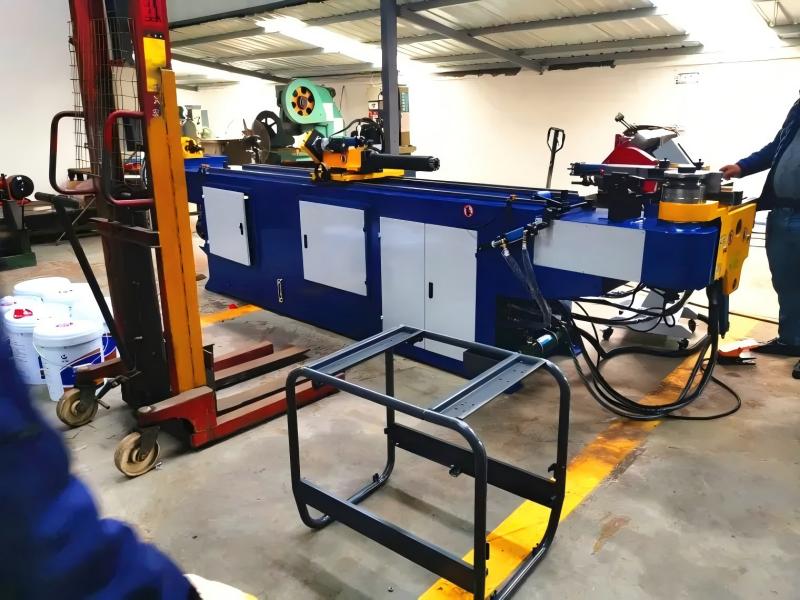
In the furniture industry, creativity and precision are essential. Tube benders allow manufacturers to achieve customized angles and curves, giving life to contemporary chairs, tables, and frames with consistent geometry. Whether it’s a minimalist sofa structure or an artistic shelf design, bending machines help ensure every piece maintains both function and form. By using CNC-controlled tube benders, designers can repeat complex bends with perfect accuracy—ideal for mass production of decorative furniture lines.
Enhancing Lighting and Architectural Features
Lighting systems in modern interiors often incorporate curved metal frames or intricate geometric forms. Tube benders are key tools for crafting these designs, helping fabricators shape fixtures that blend art with function. Similarly, in architectural décor—such as metal wall panels or suspended ceiling elements—precise bending allows smooth transitions and visually balanced structures. This precision makes Tube Benders in Decorative Applications a must-have for interior architects aiming for high-end results.
Advantages of Using Tube Benders in Decorative Applications
Precision and Consistency
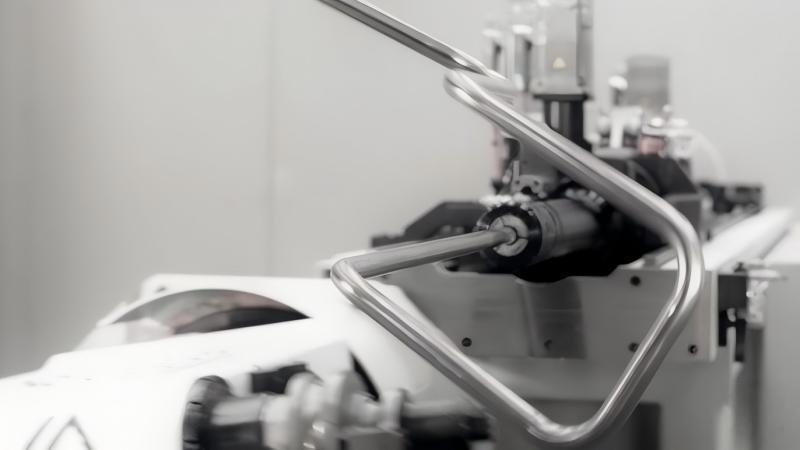
High-end interior products demand perfect symmetry and clean aesthetics. Modern CNC tube benders can execute exact radius bends with minimal distortion, ensuring consistency across every piece. This precision is especially important for installations like stair handrails or modular partitions that require alignment and uniformity.
Flexibility in Design
Manual and CNC tube benders both support a variety of tube materials and thicknesses. Designers can experiment with different metals, wall thicknesses, and shapes to achieve distinct visual styles. Whether the goal is an industrial aesthetic using steel or a luxury finish using brass, tube bending enables flexible design execution without compromising quality.
Time and Material Efficiency
Another reason why Tube Benders in Decorative Applications are so popular is efficiency. By bending tubes directly into the required shape, fabricators minimize cutting, welding, and material waste. This not only reduces production costs but also speeds up project timelines—benefiting both custom and mass-production decorative projects.
Common Decorative Applications of Tube Bending
Metal Furniture Frames
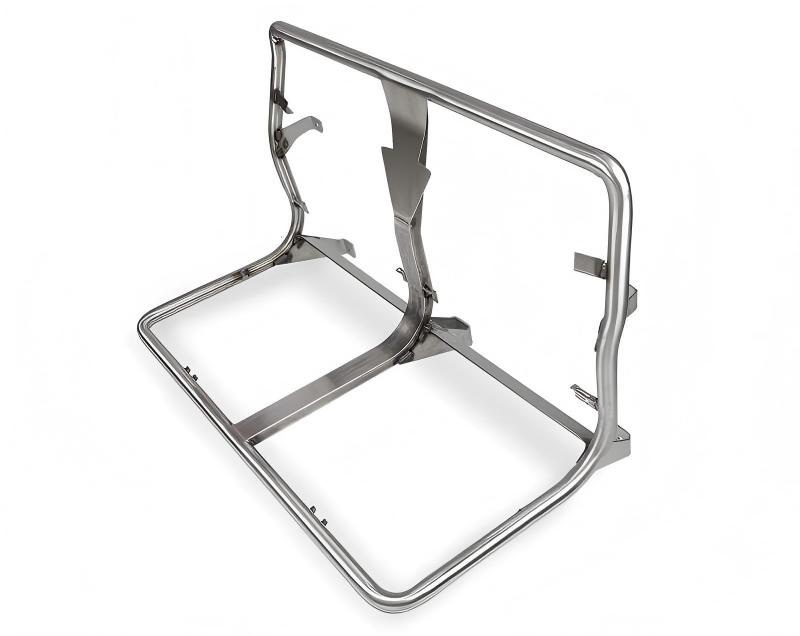
From coffee tables to bar stools, tube benders are widely used to produce stylish, strong, and lightweight furniture frames. Designers often choose bending over welding to achieve seamless joints and elegant contours.
Interior Railings and Balustrades
Tube benders enable smooth curves for stair railings, balcony guards, and decorative barriers, offering both safety and beauty in modern architecture.
Artistic Installations and Sculptures
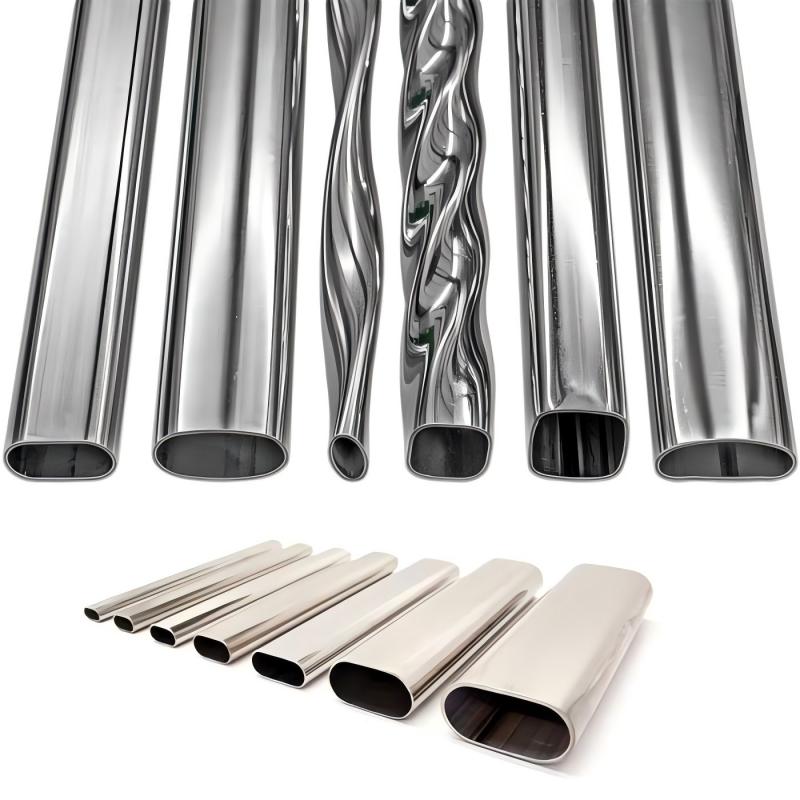
In galleries, hotels, and public spaces, metal art installations often rely on precise tube bending to create complex 3D forms that capture light and shadow beautifully.
FAQ
What materials can be used with Tube Benders in Decorative Applications?
Most decorative projects use stainless steel, aluminum, brass, or copper tubes. These materials are ideal for bending due to their ductility and polished surface finishes that enhance visual quality.
How do CNC tube benders improve decorative fabrication?
CNC-controlled systems provide exact angle control, repeatability, and complex multi-radius bending, which are essential for creating symmetrical and high-precision designs in modern interiors.
Are tube benders suitable for custom small-batch designs?
Yes, tube benders—especially CNC models—are perfect for both large-scale and custom decorative projects. They allow quick adjustments to parameters, making them ideal for personalized interior designs or limited production runs.
Conclusion
In today’s interior design world, metal is not just a structural element—it’s a medium for creativity. Tube Benders in Decorative Applications empower designers and manufacturers to bring elegant concepts to life, from smooth architectural railings to avant-garde furniture and art pieces. Their precision, flexibility, and efficiency make them an invaluable tool for modern fabrication.
If you’re exploring ways to enhance your interior design or decorative metalwork production, HARSLE’s advanced tube bending solutions can help you achieve exceptional results. Contact our team today to learn more about our machine models, customization options, and after-sales support tailored to your decorative manufacturing needs.


