


When it comes to producing modern handrails, precision, safety, and design flexibility are critical. Tube Benders in Handrails Manufacturing play a vital role in achieving these goals by providing consistent bends, reducing manual labor, and improving overall production efficiency. If you’ve been looking for ways to optimize your handrail fabrication process, this article will help you understand how tube benders make your operations faster, more accurate, and cost-effective.
How Tube Benders Improve Productivity in Handrail Production
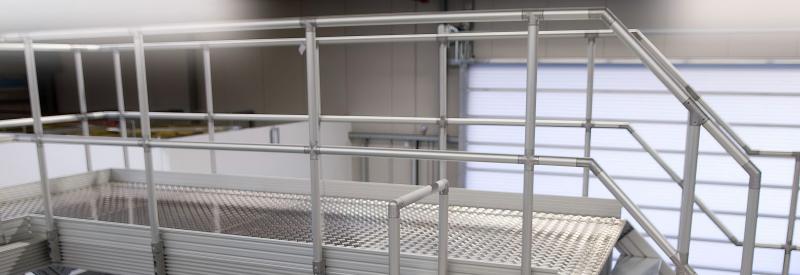
Streamlining the Bending Process
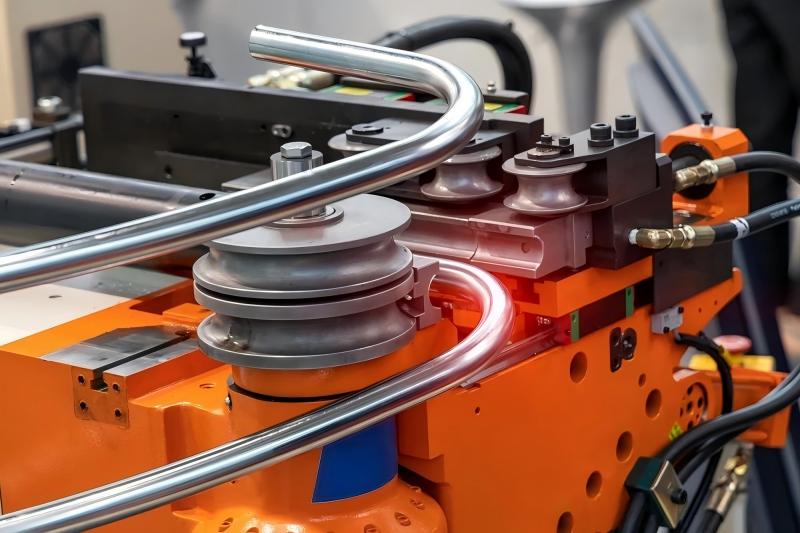
In traditional handrail production, bending pipes manually or with basic mechanical tools often results in inconsistent curvature and wasted materials. With automated Tube Benders in Handrails Manufacturing, the process becomes faster and more repeatable. CNC control systems allow operators to set precise angles and radii, ensuring that every section matches perfectly with design specifications. This reduces setup time and eliminates rework, saving both time and resources.
Enhancing Accuracy and Consistency
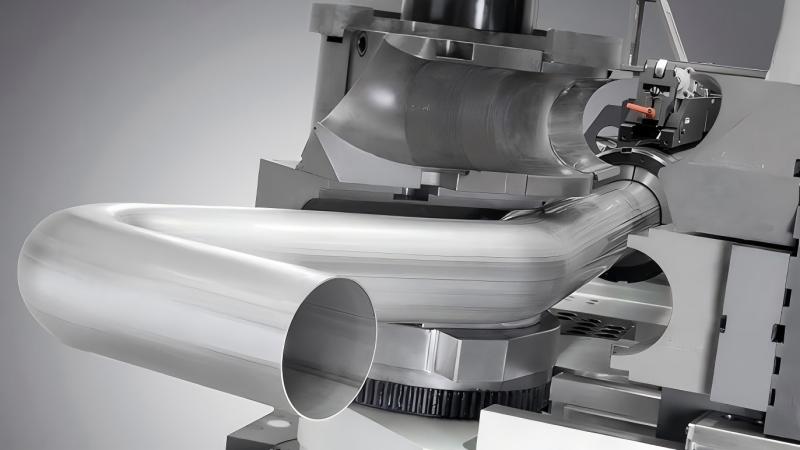
Handrails must meet strict quality and safety standards, especially for architectural and industrial applications. Tube benders ensure consistent geometry across multiple production batches, which is crucial for large projects like staircases, balconies, and safety barriers. Advanced machines use servo-electric or hydraulic systems to maintain exact force and positioning during bending, minimizing deformation and ensuring high dimensional accuracy.
Reducing Material Waste
Manual bending often leads to material loss due to misalignment or incorrect angles. Automated tube benders optimize the bending sequence and use built-in compensation features to prevent flattening or wrinkling. This level of precision minimizes scrap rates, leading to significant cost savings over time, particularly when working with stainless steel or aluminum tubes used in decorative handrails.
Key Features of Modern Tube Benders for Handrails
CNC and Servo Control Systems
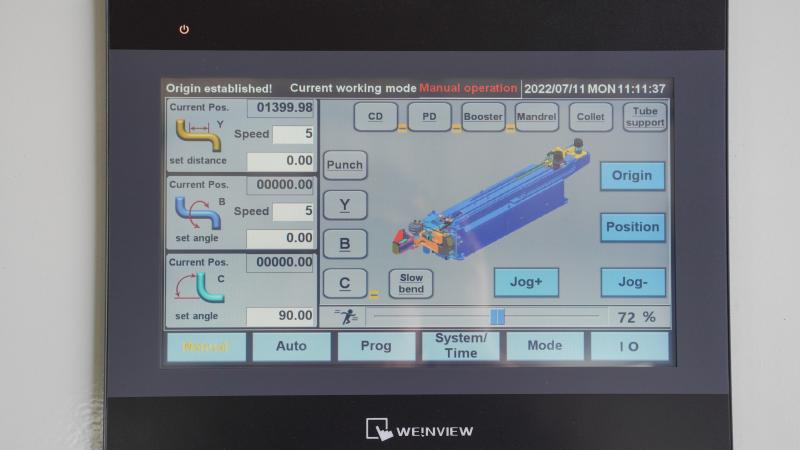
CNC tube benders integrate advanced programming that allows operators to store multiple bend sequences and recall them for repeat orders. Servo motors provide precise control over bending speed and torque, ensuring smooth operation and consistent quality even with complex handrail designs.
Multi-Radius and Multi-Layer Bending
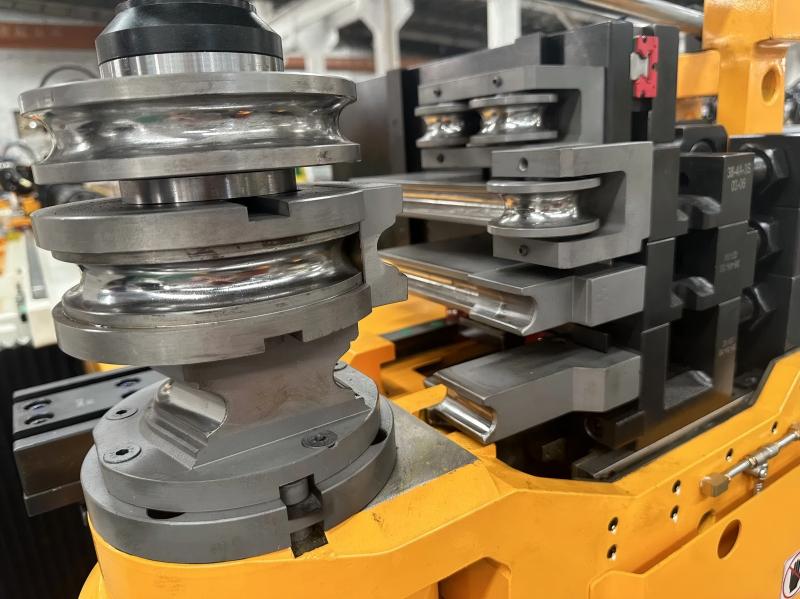
Modern tube benders can handle multiple radii and layer setups in a single run, allowing manufacturers to produce curved handrails with elegant transitions and complex shapes. This capability is particularly valuable for custom architectural projects where aesthetics are as important as structural integrity.
Easy Setup and Quick Changeovers
The latest generation of tube benders includes quick-change tooling and intuitive software interfaces. These features allow operators to switch between different tube sizes or materials rapidly, reducing downtime and improving overall equipment utilization.
Common Issues and Solutions in Handrail Tube Bending
Managing Springback
One common challenge in handrail manufacturing is springback, where the tube slightly returns to its original shape after bending. CNC tube benders automatically calculate and compensate for springback using pre-programmed material data, ensuring the final shape matches the intended design.
Avoiding Surface Damage
When bending polished stainless steel or aluminum, surface scratches can be a concern. Modern machines use mandrels and wiper dies that maintain smooth contact with the tube surface, preventing marks and ensuring a flawless finish — essential for visible handrail components.
Maintaining Dimensional Accuracy
For long and complex handrails, maintaining consistent dimensions is crucial. Tube benders equipped with real-time monitoring systems and feedback sensors ensure that every bend angle and position remains within tolerance, even after extended production runs.
FAQ Section
What types of materials can Tube Benders in Handrails Manufacturing handle?
Tube benders can efficiently bend a variety of materials, including stainless steel, mild steel, aluminum, and copper, commonly used in handrail applications.
How do CNC Tube Benders improve efficiency compared to manual methods?
CNC tube benders automate the bending process, reducing setup time, eliminating human error, and ensuring consistent results across large production batches.
Can tube benders create custom curved handrails for architectural projects?
Yes. Modern CNC-controlled benders allow for custom radius programming, enabling manufacturers to produce complex and decorative handrail designs with precision.
How often should I maintain a tube bender used in handrail production?
Routine maintenance, including lubrication, calibration, and tooling inspection, should be done every 500 hours of operation to ensure stable performance and extend machine lifespan.
Conclusion
Efficient handrail production depends on precision, consistency, and speed — all of which are enhanced by advanced tube bending technology. Tube Benders in Handrails Manufacturing streamline workflows, reduce material waste, and ensure high-quality results that meet both functional and aesthetic standards. By adopting CNC or servo-driven tube benders, manufacturers can significantly improve productivity and achieve long-term cost savings.


