


Tube Benders in Heat Exchangers play a vital role in achieving precision and consistency, which are key to maximizing thermal performance. If you’re looking to understand how these machines enhance energy transfer, reliability, and manufacturing efficiency, you’ve come to the right place. In this article, I’ll show how modern tube bending technology improves heat exchanger quality by increasing accuracy, minimizing material waste, and allowing for more advanced and compact designs. Whether you’re involved in HVAC, power generation, or industrial manufacturing, this guide will help you see how tube benders streamline and optimize your production process.
Understanding the Role of Tube Benders in Heat Exchanger Manufacturing
Why Tube Benders Are Crucial for Heat Exchangers
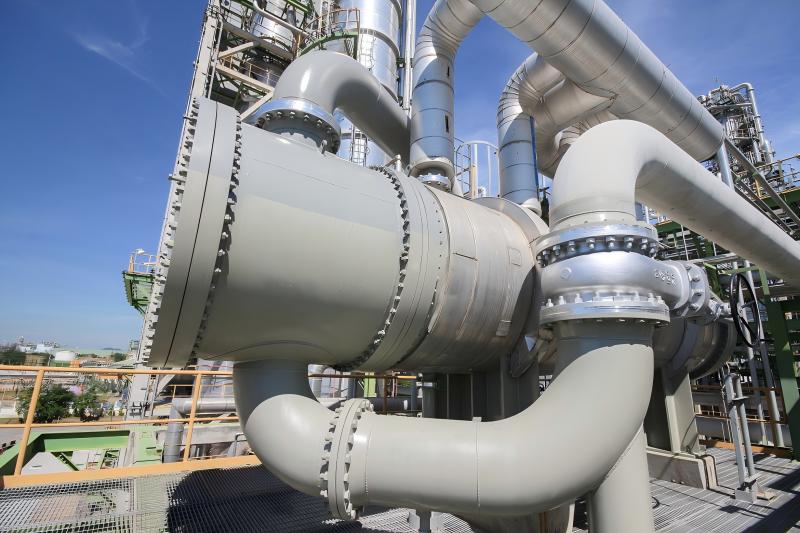
In heat exchangers, tubes are responsible for transferring heat between fluids. To achieve maximum surface contact and flow efficiency, these tubes must be bent with high precision and repeatability. Tube benders ensure consistent curvature, reduce internal stress, and maintain smooth flow paths, which all contribute to better thermal performance. Unlike manual bending methods, CNC tube benders guarantee tight tolerances and eliminate deformation or wrinkling.
The Advantages of Using CNC Tube Benders
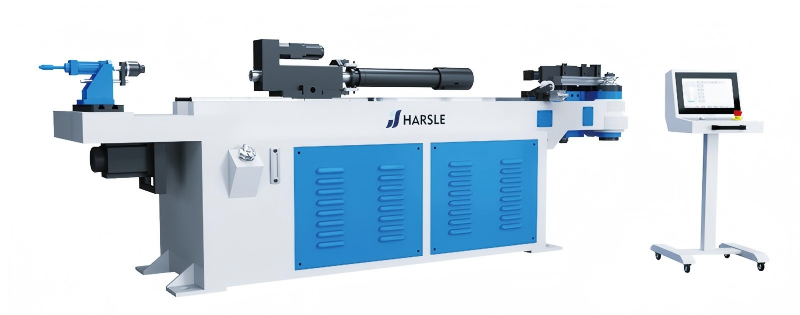
CNC-controlled tube benders combine automation, servo-driven systems, and intelligent programming to deliver uniform bends at high speed. They minimize human error, save time on setup, and allow the operator to reproduce the same results across multiple production runs. This makes them ideal for manufacturing compact heat exchanger designs with tight radii and complex geometries, commonly found in air conditioners, refrigeration units, and industrial condensers.
How Tube Benders in Heat Exchangers Improve Efficiency
1. Enhancing Thermal Performance through Precision
Every bend in a heat exchanger tube affects fluid dynamics and heat transfer. When tubes are bent precisely, internal resistance decreases, allowing fluids to move more efficiently. This results in improved heat exchange efficiency and reduced energy consumption during operation. CNC tube benders achieve this by maintaining consistent bending radii and avoiding ovalization.
2. Reducing Material Waste
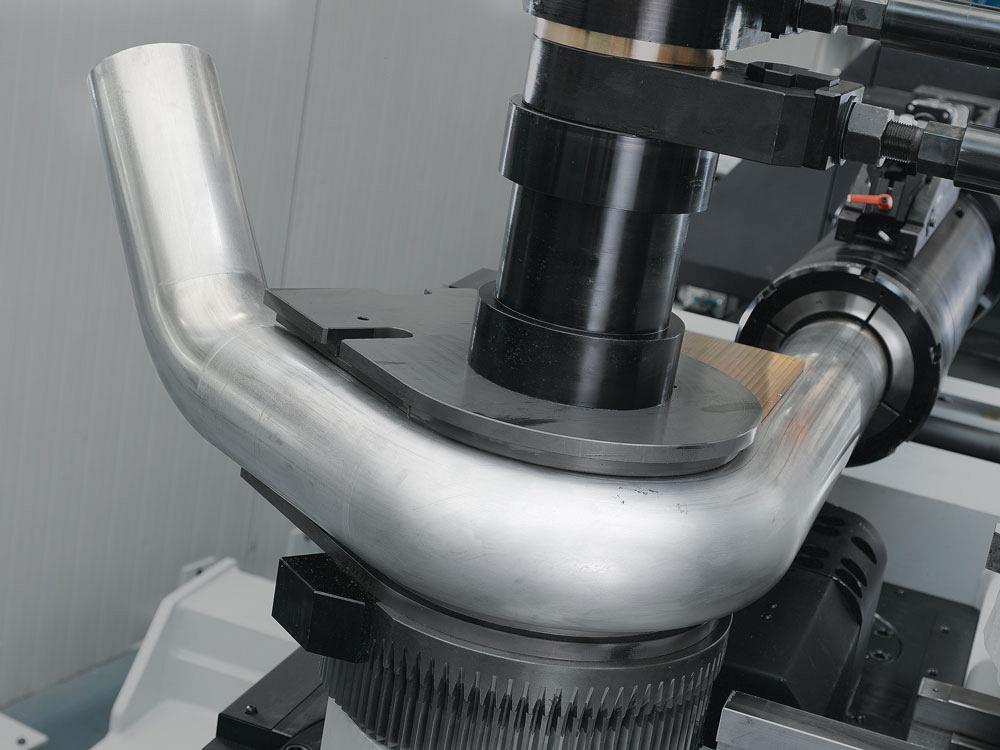
Material waste can be a significant issue in large-scale production. By accurately controlling the bend angle and minimizing trial runs, modern tube benders reduce scrap rates. The machine’s software also optimizes tube layout, ensuring minimal material loss between bends. This efficiency directly translates to lower production costs and faster ROI.
3. Increasing Production Speed and Consistency
Traditional manual bending is slow and inconsistent. Tube benders, especially CNC types, streamline the entire process. Once the parameters are set, the machine repeats the same operation flawlessly, maintaining identical quality from the first tube to the last. This automation not only improves productivity but also supports large-scale heat exchanger manufacturing with minimal supervision.
4. Enabling Complex and Compact Designs

Modern industries demand compact heat exchangers with high capacity. To meet this challenge, manufacturers use tube benders capable of producing intricate tube geometries. Multi-radius and multi-plane bending features allow designers to create highly efficient units without increasing size or weight, making them ideal for modern HVAC systems and energy-efficient machinery.
Maintenance and Calibration Tips for Optimal Tube Bending
Regular Machine Inspection
Routine inspection of your tube bender ensures long-term reliability. Check the hydraulic and electrical systems, lubricate moving parts, and inspect bending dies for wear. A well-maintained machine guarantees consistent bend angles and prevents production downtime.
Calibration for Precision Bending
Calibrating your tube bender is essential for maintaining accuracy. Use calibration gauges to verify the bend radius and adjust the pressure or feed rate accordingly. For CNC models, ensure that the software is updated and the servo drives are aligned with factory standards.
Operator Training and Software Updates
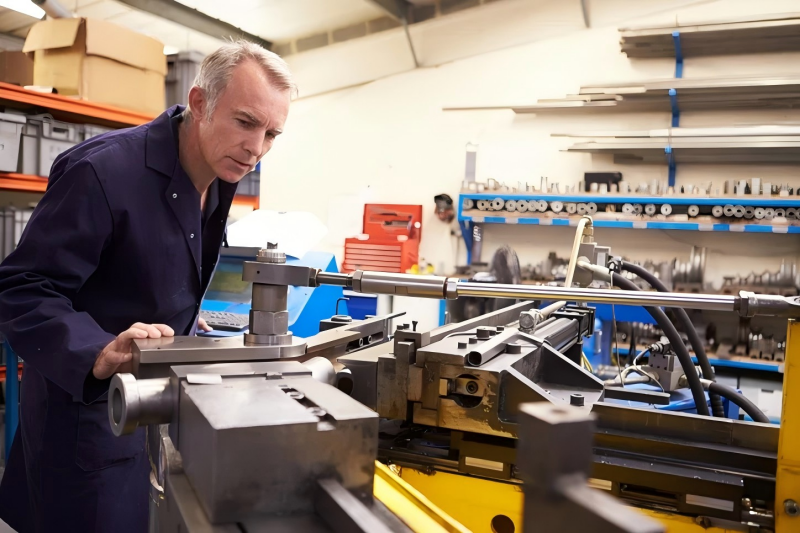
Even with the best machine, skilled operators make a difference. Proper training on tooling setup, programming, and software control can significantly improve efficiency. Regularly update the machine software to access advanced features such as simulation and automatic error correction.
FAQs
Why should I use a CNC tube bender instead of manual bending?
CNC tube benders provide higher accuracy, consistency, and repeatability. They reduce labor costs, minimize errors, and handle complex bending shapes that manual methods can’t achieve efficiently.
What tube materials are commonly used in heat exchangers?
Copper, stainless steel, and titanium are widely used due to their excellent thermal conductivity and corrosion resistance. Tube benders can be configured to handle all of these materials with appropriate tooling.
How often should I maintain my tube bender?
It’s recommended to perform a full maintenance check every 500–700 operating hours. This includes cleaning, lubrication, die inspection, and software calibration.
Can tube benders handle multi-layer tube systems?
Yes. Advanced CNC tube benders can bend multiple tubes simultaneously or handle complex coil structures, making them suitable for compact or layered heat exchanger designs.
Conclusion
Precision tube bending is the backbone of efficient heat exchanger manufacturing. By ensuring accuracy, minimizing waste, and enabling complex designs, Tube Benders in Heat Exchangers help manufacturers achieve better performance and energy efficiency in their products. Investing in a high-quality tube bender not only boosts productivity but also enhances the long-term reliability of your systems.


