


Tube Benders in Robotics and Automation play a crucial role in creating robotic arms, automated tooling, and high-precision industrial systems that demand strength, low weight, and exceptional accuracy. If you’ve ever wondered why this technology is so vital to modern automation, you’re in the right place. In this article, I’ll walk you through how tube bending enhances robotic structural design, boosts automation efficiency, and ensures more stable and reliable motion performance. Whether you’re developing new robotic equipment or improving your current fabrication workflow, this guide will help you understand how advanced tube bending supports the next generation of automated manufacturing.
How Tube Benders Enhance Robotic Structure and Performance
Designing Lightweight and Durable Robotic Frames
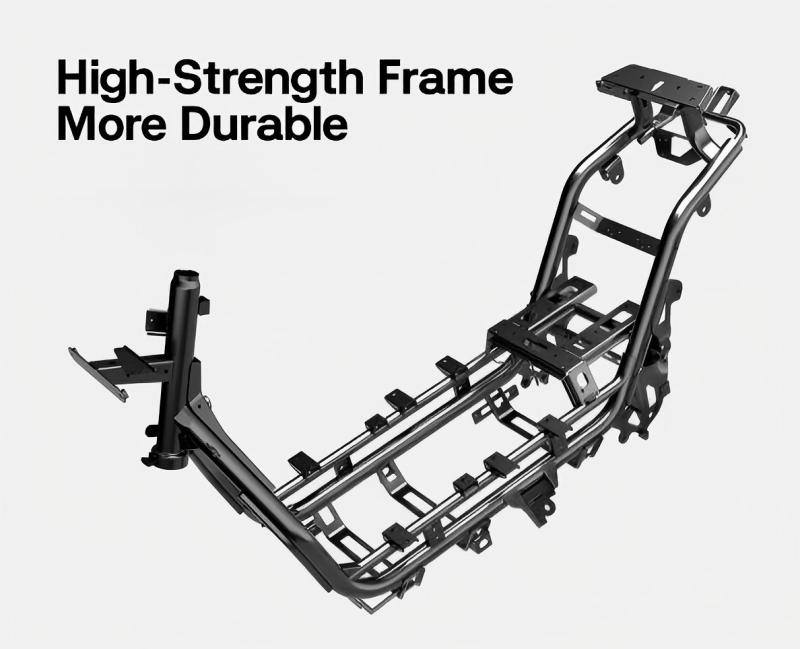
Robotic arms and automation units require components that balance strength with flexibility. By using precision tube benders, I can create curved tubes that maintain high structural integrity while reducing weight. This benefits robots by improving movement speed, lowering energy consumption, and maintaining stability during high-speed tasks.
Producing High-Precision Motion Components

Robots rely on perfect motion paths. Even small dimensional errors can cause misalignment or vibration. CNC tube benders allow me to achieve very tight bending tolerances, ensuring that components like arm segments, tubing enclosures, and sensor brackets fit exactly according to design. This consistency helps reduce wear, noise, and mechanical stress.
Creating Compact Designs for Limited Spaces
Automation systems often operate in tight spaces. With tube benders, I can produce complex geometries—such as multi-radius bends or spiral-shaped tubes—that help route cables, hydraulic lines, or pneumatic systems efficiently. This allows robotic designers to minimize machine footprint without sacrificing function.
How to Use Tube Benders in Robotic and Automation Projects
Selecting the Right Tube Material

Before bending begins, I always evaluate material properties. Stainless steel, aluminum, and titanium are common in robotics, but each behaves differently during bending. Choosing the right tooling radius and bending force helps avoid issues like wrinkling or thinning.
Adjusting Bend Radius for Motion Stability
A key step in robotic tube fabrication is selecting the correct bend radius. Too tight, and the tube weakens; too wide, and it affects system compactness. By adjusting the mandrel position and tooling angle, I can ensure the bend supports both motion smoothness and long-term durability.
Ensuring Repeatability for Automated Cells
For robotic production lines or automated workcells, repeatability is critical. I rely on CNC-controlled tube benders with multi-step memory functions to ensure every tube in a batch is identical. This reduces assembly errors and increases line efficiency.
Maintenance Tips for Tube Benders Used in Automation Work
Routine Accuracy Checks
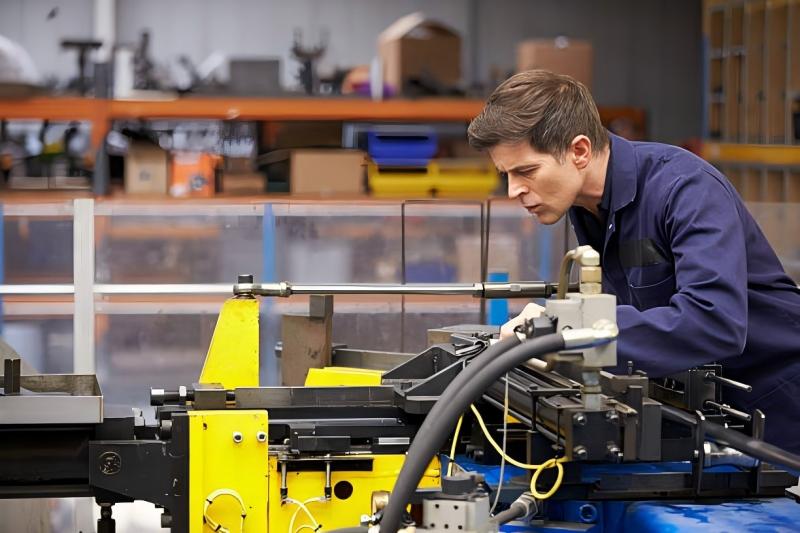
I regularly inspect the bending head alignment and backgauge calibration. These checks help maintain bending precision, especially for robotic components that require millimeter-level accuracy.
Cleaning and Lubrication
Automation environments often produce fine dust or metal debris. I make sure to keep the bending dies clean and lubricated to prevent scratches, slippage, or premature tooling wear.
Preventing Deformation During Bending
Using proper mandrel support and clamp pressure reduces tube deformation. This is essential when producing tubes for robotic arms or automation guides where appearance and strength both matter.
FAQs
Why are Tube Benders in Robotics and Automation important for accuracy?
Precision tube bending ensures consistent geometry, which directly affects robotic movement, structural stability, and repeatability. Accurate bends reduce stress on joints and improve long-term operating performance.
What materials work best for bending robotic components?
Stainless steel, aluminum, and titanium are the most common choices. They offer strong mechanical properties, corrosion resistance, and excellent performance under repeated motion.
How can I avoid defects when bending tubes for robotics?
Proper mandrel selection, correct tooling radius, adequate lubrication, and controlled bending speed all help prevent wrinkling, flattening, or cracking during bending.
Can tube benders help reduce the size of automation equipment?
Yes. Tube bending allows designers to create compact shapes and efficient routing paths, which helps reduce footprint and makes automation systems more streamlined.
Conclusion
Tube Benders in Robotics and Automation play a vital role in building precise, durable, and efficient systems. By understanding material behavior, choosing the right bending techniques, and following proper maintenance practices, I can produce robotic components with exceptional accuracy and consistency. If you want to improve your automation manufacturing or need help selecting the right tube bending solutions, feel free to reach out to our team for professional support.


