


When it comes to building efficient and long-lasting water treatment systems, every component matters. Tube Benders in Water Treatment Equipment play a crucial role in fabricating durable, corrosion-resistant piping systems that carry water and chemicals safely throughout treatment plants. If you’re wondering how tube benders help reduce manufacturing and operational costs in this industry, you’re in the right place. In this article, I’ll explain how precision bending, material optimization, and improved design flexibility contribute to lowering production expenses and enhancing long-term system performance.
How Tube Benders Improve Cost Efficiency in Water Treatment Fabrication
Precision Bending Minimizes Material Waste
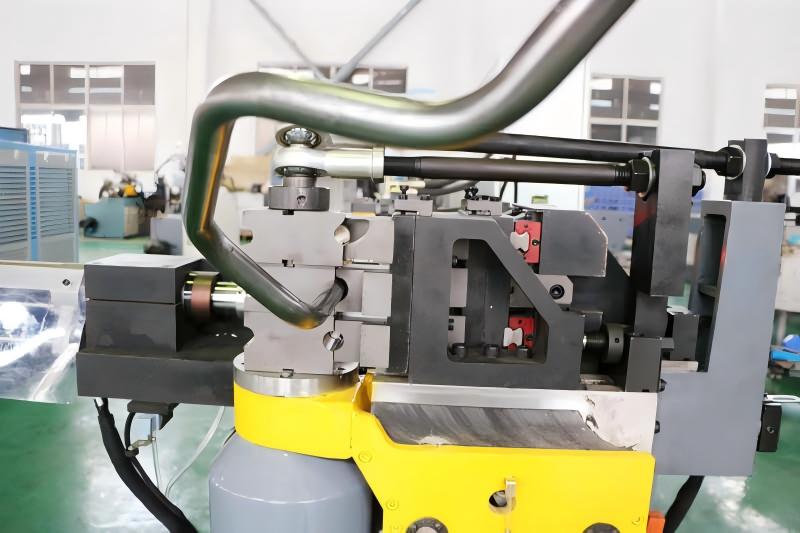
One of the most significant ways tube benders reduce costs is by ensuring high-precision bending. Modern CNC and NC tube benders can perform accurate angle and radius control, which means less material is wasted during the fabrication process. Instead of cutting and rejoining pipes, operators can form complex shapes in a single cycle. This not only saves raw material but also reduces welding time and post-processing work, leading to a leaner and more efficient workflow.
Reduced Labor and Setup Time
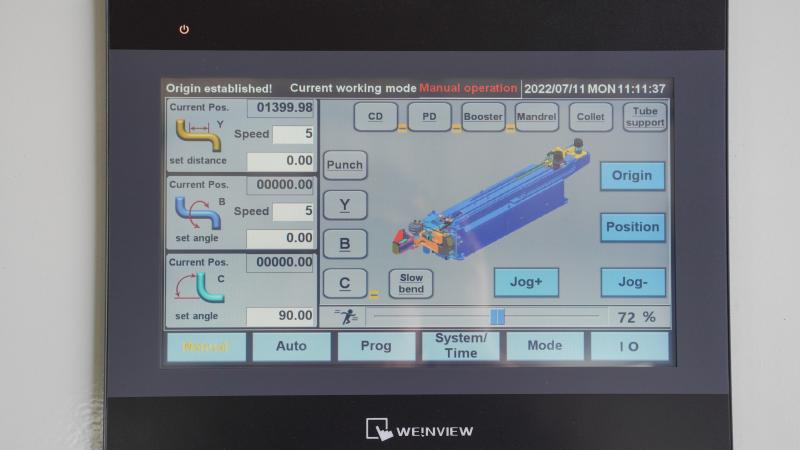
Traditional pipe fabrication often requires multiple manual adjustments, measurements, and fixtures. With automated Tube Benders in Water Treatment Equipment, operators can store and recall bending programs for repeated production. This dramatically reduces setup time and minimizes human error. The machine’s servo-driven control system ensures consistency between bends, allowing a smaller team to produce more output in less time.
Enhanced Durability Lowers Maintenance Costs
In water treatment systems, corrosion resistance and durability are key. Tube benders enable smooth, precise curves that reduce internal turbulence and stress points in piping systems. Fewer joints and welds mean fewer potential leakage areas, resulting in lower long-term maintenance and repair costs. The improved fluid dynamics also enhance energy efficiency, helping facilities cut down on pumping power consumption.
Design Flexibility for Complex Water Treatment Systems
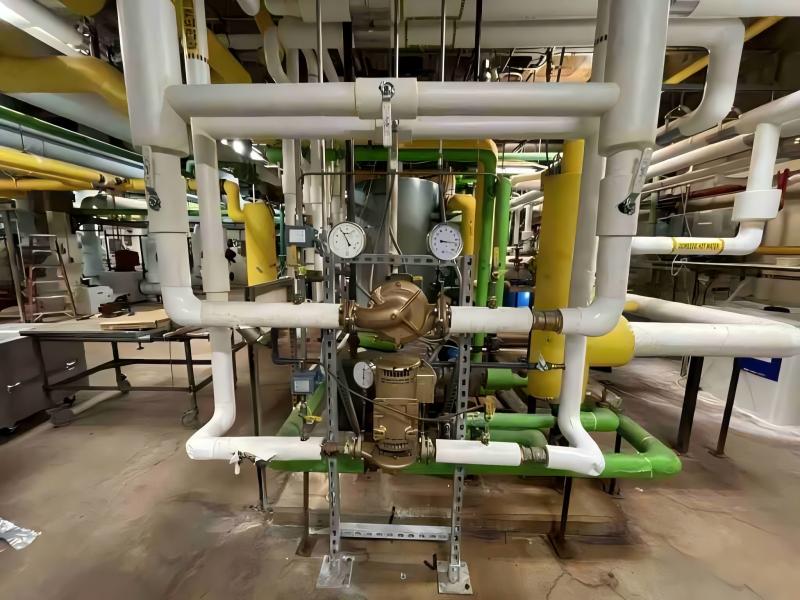
Custom Bending for Compact Plant Layouts
Water treatment facilities often have limited space, requiring compact and efficient pipe routing. Tube benders allow engineers to design custom layouts with tight-radius bends and complex multi-directional routes. This flexibility helps reduce the overall footprint of the piping system and avoids costly on-site modifications or pipe replacements.
Supporting Various Materials and Pipe Sizes
Whether it’s stainless steel, copper, or PVC-coated steel, tube benders are capable of handling a wide range of materials used in water treatment systems. Multi-diameter bending capability enables one machine to serve multiple production lines, reducing equipment investment and maintenance overhead.
Operational Benefits Beyond Manufacturing
Consistent Quality and Compliance
Using Tube Benders in Water Treatment Equipment ensures consistent tube geometry and alignment, which directly supports system reliability and compliance with strict industry standards. Consistent bending results in higher-quality weld joints, better sealing, and improved overall system safety — all of which translate to fewer reworks and warranty claims.
Lower Energy Consumption in Production
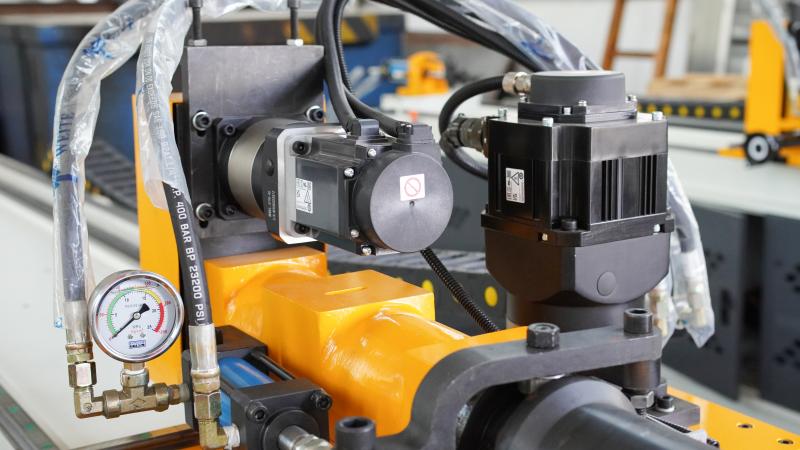
CNC-controlled bending reduces unnecessary motion and energy waste. Many modern tube benders include energy-saving hydraulic systems or servo-electric drives that optimize power use based on load requirements. Over time, this helps reduce the energy footprint of your fabrication operations, supporting both cost savings and sustainability goals.
FAQ
What type of tube bender is best for water treatment applications?
CNC tube benders are ideal due to their precision, repeatability, and ability to handle complex bending sequences. They are especially suited for stainless-steel pipes commonly used in corrosive water environments.
How do tube benders help prevent leaks in water treatment systems?
Tube benders produce smooth, uniform curves that minimize the number of joints and welds required. Fewer joints mean fewer potential leak points, enhancing the integrity of the entire piping network.
Can tube benders handle large-diameter pipes used in water treatment plants?
Yes, industrial-grade tube benders can process large-diameter tubes with strong hydraulic force, making them suitable for high-capacity piping and infrastructure systems.
Conclusion
Reducing costs in water treatment equipment manufacturing is not only about cheaper materials—it’s about smarter fabrication. Tube Benders in Water Treatment Equipment help manufacturers achieve precision, efficiency, and durability while minimizing waste and maintenance. By integrating advanced tube bending solutions, you can streamline production, extend equipment lifespan, and ensure consistent quality throughout your systems.


