


When it comes to large-scale energy production, Tube Bending Applied in the Oil & Gas Industry plays an essential role in building efficient, durable, and safe pipeline systems. If you’ve ever wondered where tube bending is used and why it matters so much in this sector, you’re in the right place. In this article, I’ll walk you through the key applications of tube bending in oil and gas operations, explain how it enhances production efficiency, and share why choosing the right tube bending equipment can make a huge difference in performance, reliability, and long-term cost savings.
Key Applications of Tube Bending in the Oil & Gas Industry
1. Pipeline Construction and Transportation Systems

In oil and gas fields, pipeline systems are the lifelines that transport crude oil, natural gas, and refined products. Tube bending allows engineers to create smooth, precise curves in metal pipes that maintain consistent flow rates while reducing pressure loss. Unlike welded fittings, bent tubes eliminate the risk of leakage at joints, which significantly improves system reliability. Whether it’s for offshore drilling platforms or cross-country pipelines, precision bending ensures optimal geometry and long-lasting performance under high pressure and temperature conditions.
2. Refinery and Processing Plant Piping
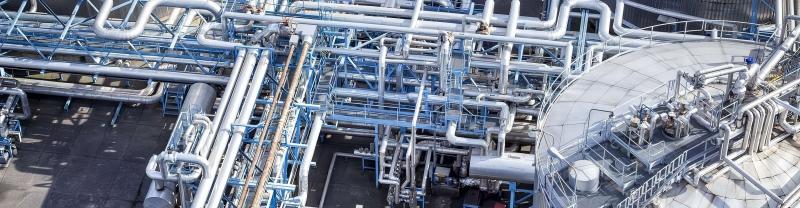
Inside refineries and gas processing facilities, thousands of pipes carry fluids, steam, and gases between different units. Tube bending is used to optimize spatial layouts, saving valuable floor space and reducing the number of welds. Complex 3D bends can be customized to fit tight areas while maintaining precise flow direction. This not only simplifies installation but also improves energy efficiency by minimizing frictional losses and turbulence.
3. Offshore and Subsea Equipment
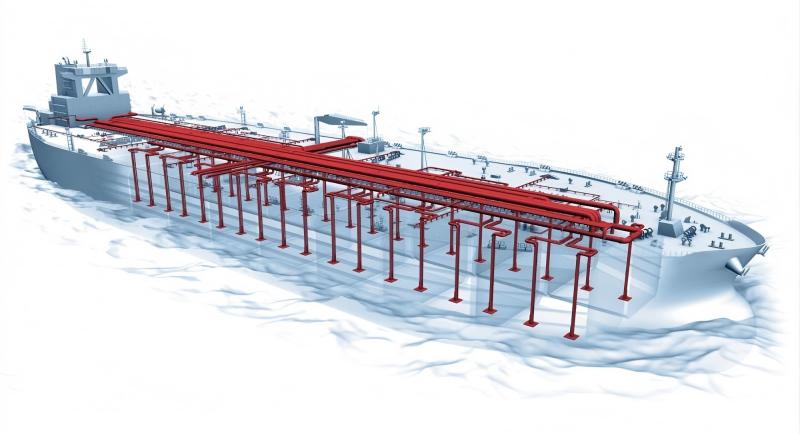
Tube bending is crucial for offshore oil rigs and subsea extraction systems, where corrosion resistance, high strength, and compact designs are vital. Tubes are bent to form hydraulic control lines, cooling circuits, and structural supports that can withstand high pressures and harsh marine environments. Advanced CNC tube bending machines ensure that every curve meets tight tolerances, guaranteeing reliability even at great ocean depths.
4. Heat Exchangers and Cooling Systems
Heat exchangers are used extensively in the oil and gas industry for temperature regulation during extraction, refining, and gas compression. Tube bending enables the production of U-shaped and serpentine coils, which maximize surface area for efficient heat transfer. By using precise bending techniques, manufacturers can create compact, leak-proof assemblies that ensure long-term thermal performance.
5. Drilling and Hydraulic Systems
Tube bending is also applied in the hydraulic systems that power drilling rigs and production platforms. These bent tubes are responsible for transmitting pressurized fluids to operate heavy machinery. Properly bent tubing minimizes vibration, reduces fatigue, and ensures consistent pressure control—critical for maintaining drilling accuracy and operational safety.
Benefits of Tube Bending in Oil & Gas Operations
Enhanced Safety and Reliability
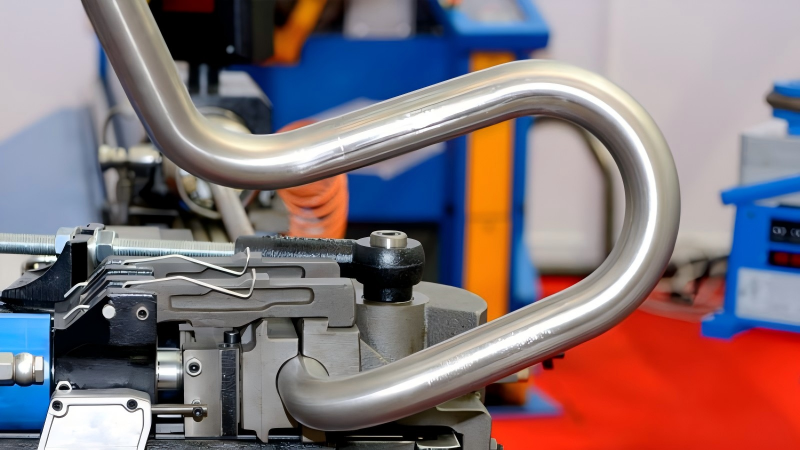
By reducing the number of welded joints, tube bending minimizes potential leak points, ensuring safer transport of hazardous materials.
Space and Cost Efficiency
Bent tubing allows for compact designs, easier installation, and reduced need for fittings—saving both time and material costs.
Improved Flow Performance
Smooth, uniform bends maintain steady flow and reduce pressure drops, which enhances the overall efficiency of pipeline systems.
Corrosion and Fatigue Resistance
Precision bending techniques preserve material integrity, preventing micro-cracks that could lead to corrosion or fatigue failure under extreme conditions.
Choosing the Right Tube Bending Machine for Oil & Gas Applications
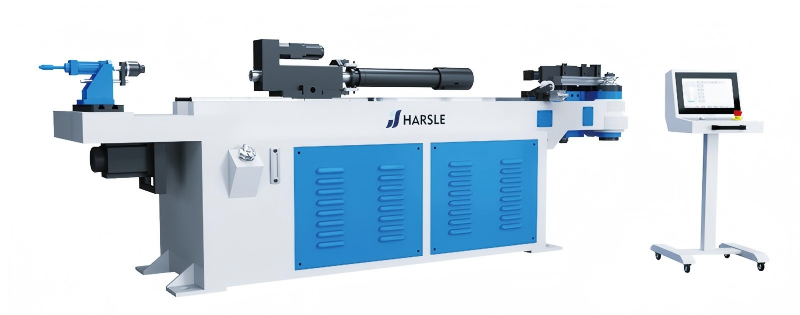
Selecting the correct equipment is crucial for achieving consistent results in demanding oil and gas environments. CNC tube bending machines with servo control systems allow for precise angle adjustments, repeatable accuracy, and easy programming of complex multi-radius bends. For heavy-duty operations, hydraulic tube benders offer the power and durability needed for thick-walled pipes commonly used in the industry. When choosing your machine, consider the pipe diameter, material type, bending radius, and the required production volume to ensure the best fit for your operation.
FAQs
Why is tube bending preferred over using pipe fittings in oil and gas systems?
Tube bending eliminates multiple welded joints, reducing the risk of leaks and corrosion while maintaining a smoother internal flow path.
What materials are commonly used for tube bending in this industry?
Stainless steel, carbon steel, Inconel, and titanium alloys are popular choices due to their high strength, heat resistance, and corrosion protection.
Can tube bending machines handle thick-walled pipes for high-pressure lines?
Yes. Modern CNC and hydraulic tube bending machines are designed to bend thick-walled pipes precisely while maintaining structural integrity.
How can tube bending improve efficiency in oil and gas refineries?
By allowing customized piping layouts, tube bending reduces installation time, optimizes fluid flow, and minimizes maintenance requirements.
Conclusion
Tube Bending Applied in the Oil & Gas Industry serves as a cornerstone of modern energy engineering, enabling efficient construction of pipelines, refinery systems, offshore platforms, and cooling networks. With its unmatched precision, durability, and safety, this technology ensures reliable fluid transport and structural integrity across all stages of production. By integrating advanced tube bending techniques, operators can enhance performance, reduce maintenance, and meet the demanding quality and environmental standards of today’s oil and gas sector.


