


Tube Bending in Aerospace Manufacturing is essential for building safe, efficient, and high-performance aircraft where every component must meet the strictest standards of precision and reliability. If you’ve ever wondered how expertly bent tubes enhance flight safety and overall performance, you’re in the right place. In this article, I’ll explore how precise tube bending strengthens critical aircraft systems, prevents structural failures, and ensures consistent operation under extreme conditions. Whether you’re an aerospace engineer, supplier, or simply interested in advanced manufacturing technology, this guide will help you understand how modern tube bending techniques contribute to keeping every flight secure and reliable.
The Importance of Tube Bending in Aerospace Manufacturing
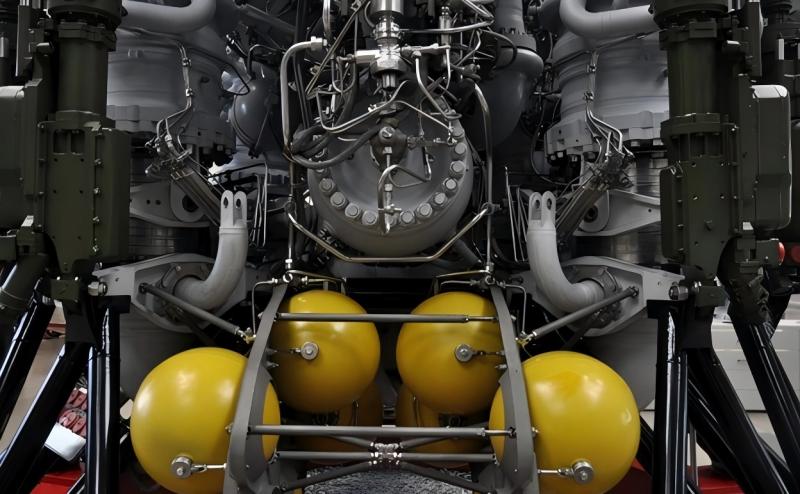
Tube bending is essential for shaping metal tubes used throughout an aircraft—fuel lines, hydraulic systems, oxygen supply tubes, and cooling circuits all rely on precise geometry. Unlike other industries, aerospace manufacturing demands extremely tight tolerances and flawless surface finishes. Even a minor bend inaccuracy can affect flow efficiency or cause mechanical stress that leads to long-term damage. That’s why aerospace manufacturers rely on high-precision CNC tube bending machines that ensure consistency, repeatability, and compliance with international safety standards.
Meeting Aerospace Standards and Certifications
Aerospace components must comply with strict standards such as AS9100 and NADCAP. To meet these requirements, tube bending machines must maintain high repeatability and use advanced tooling systems that minimize deformation and ovality. The process often includes automatic mandrel bending and real-time monitoring to detect even the smallest deviations, ensuring each tube performs safely under extreme pressure and temperature conditions.
How Precision Tube Bending Contributes to Flight Safety
1. Maintaining Structural Integrity
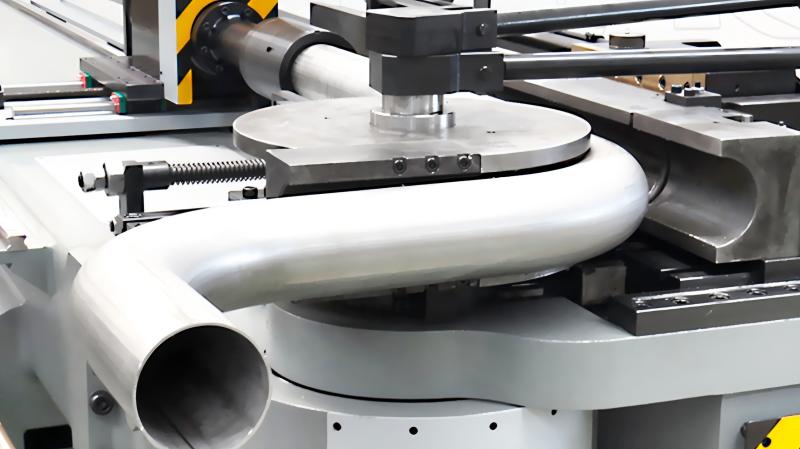
Precision tube bending helps maintain the internal structure of the material without cracking or wrinkling. In aerospace systems, this is critical because any microscopic defect can grow into a major issue due to vibration, pressure changes, and thermal cycling. Controlled bending angles and proper lubrication techniques help preserve material integrity and extend service life.
2. Ensuring Reliable Fluid and Gas Flow
Aircraft rely on thousands of meters of tubing to transport fuel, hydraulic oil, and air. Tube Bending in Aerospace Manufacturing ensures smooth internal surfaces that allow uninterrupted flow. Any distortion or roughness inside a bent tube can lead to turbulence or pressure loss, which directly impacts flight safety. Precision CNC bending eliminates this risk and guarantees optimal performance of fluid systems.
3. Reducing Component Weight Without Sacrificing Strength
Weight reduction is one of the biggest challenges in aircraft design. Advanced tube bending allows the use of lightweight materials such as titanium and aluminum alloys while maintaining strength and durability. By precisely controlling wall thinning and bend radii, manufacturers can create lightweight systems that reduce fuel consumption and improve overall flight performance.

4. Improving System Integration and Assembly Efficiency
Accurate tube bending simplifies the installation of complex aerospace systems. Tubes that fit perfectly without manual adjustment reduce assembly time and eliminate potential stress points. This not only speeds up production but also ensures that all components function exactly as intended once the aircraft is airborne.
Advanced Tube Bending Technologies Used in Aerospace
CNC Mandrel Tube Benders
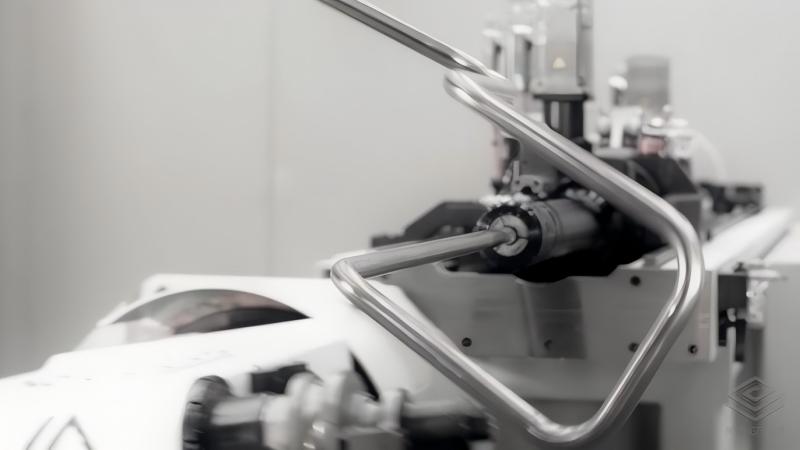
Mandrel-assisted bending machines are widely used in aerospace to prevent tube collapse and maintain tight radii. These machines use internal mandrels and wiper dies to support the tube during bending, resulting in a smooth, precise curve with minimal distortion.
Servo-Controlled Multi-Axis Systems
Modern aerospace bending systems use servo motors and multi-axis control for perfect synchronization. This level of automation allows bending at multiple angles and planes, enabling the production of complex geometries used in jet engines, landing gear, and cabin systems.
Real-Time Measurement and Quality Control
To ensure 100% accuracy, tube bending machines integrate laser measurement systems and feedback sensors. These systems automatically correct deviations in real time, guaranteeing that every tube meets the exact dimensions required for flight safety.
Common Challenges in Aerospace Tube Bending
Even with advanced technology, aerospace tube bending involves unique challenges. Material springback, heat treatment effects, and tight bend radii require precise calculation and experienced operators. To overcome these, engineers use simulation software to predict material behavior, adjust bending parameters, and verify results before actual production. This minimizes waste and ensures consistent quality.
FAQs
What materials are commonly used in Tube Bending in Aerospace Manufacturing?
Common materials include titanium, Inconel, stainless steel, and aluminum alloys. These metals offer excellent strength-to-weight ratios and corrosion resistance, making them ideal for aerospace applications.
How does precision tube bending reduce flight risks?
By ensuring accurate dimensions and smooth internal surfaces, precision tube bending minimizes the risk of leaks, fractures, or flow restrictions that could compromise aircraft systems.
What is the typical tolerance required in aerospace tube bending?
Aerospace applications often demand tolerances as tight as ±0.25 mm, depending on the system. This ensures that every tube fits perfectly within the aircraft’s complex assembly.
Why is CNC technology important for aerospace tube bending?
CNC tube bending provides automation, repeatability, and real-time monitoring, which are essential for meeting aerospace safety and performance standards.
Conclusion
Tube Bending in Aerospace Manufacturing is far more than a forming process—it’s a safety-critical operation that ensures every aircraft system works reliably from takeoff to landing. By combining advanced CNC control, precision tooling, and strict quality standards, aerospace manufacturers can produce lightweight yet durable components that guarantee performance under extreme conditions.
If you want to learn more about high-precision bending solutions or explore HARSLE’s advanced tube bending equipment, feel free to contact our technical team for professional guidance and support. Your next project deserves the same level of precision that keeps every flight safe.


