


When it comes to manufacturing firefighting equipment, precision, durability, and reliability are critical. Tube bending in firefighting equipment plays an essential role in shaping components that are both strong and functional under extreme conditions. If you’re wondering how tube bending contributes to the performance and safety of firefighting tools, you’re in the right place. In this article, I’ll explain the importance of tube bending in firefighting equipment and how it ensures that every component—from hoses to structural supports—is robust, reliable, and ready for the demands of firefighting operations.
Importance of Tube Bending in Firefighting Equipment
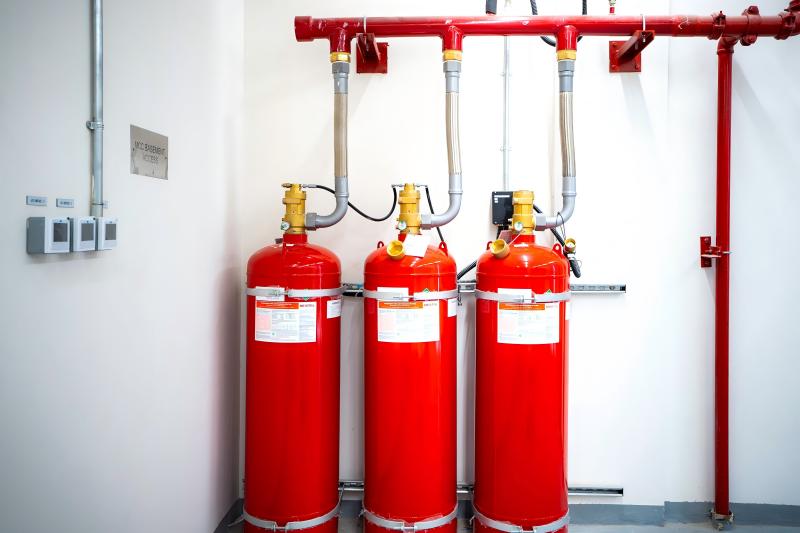
Tube bending is used in various firefighting equipment, including hoses, nozzles, and structural frames, to ensure that they maintain their strength, shape, and functionality under high-pressure conditions. Firefighting equipment must withstand extreme heat, pressure, and physical impact, which is why tube bending is used to create custom designs and precise shapes for tubes and pipes that help the equipment function efficiently.
How Tube Bending Ensures Durability in Firefighting Equipment
One of the main benefits of tube bending in firefighting equipment is its ability to improve the durability and longevity of critical components. Fire hoses, for example, require bending techniques to form smooth curves and connectors that allow for flexibility and ease of use. This flexibility is essential for maneuvering the hoses in tight spaces while maintaining structural integrity.
Tube bending also plays a role in creating structural elements for firefighting vehicles, such as roll cages and pipe systems that support various onboard systems. These structural components need to be bent with high precision to ensure that they can bear the weight and force of the equipment during high-impact situations, such as when the vehicle is in motion during a fire response.
Types of Tube Bending Used in Firefighting Equipment
There are several types of tube bending techniques employed in the manufacturing of firefighting equipment, each suited to different types of materials and applications. Some common techniques include:
1. Rotary Draw Bending
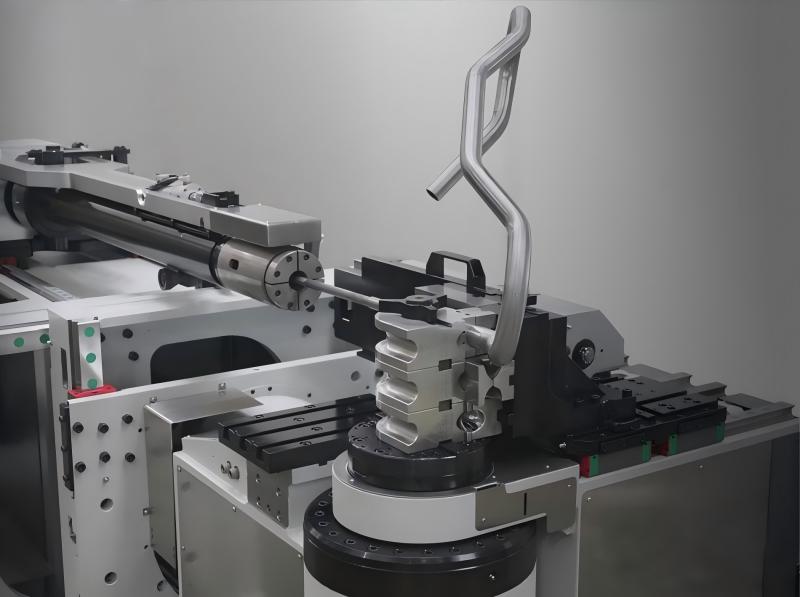
This method is widely used for creating tight-radius bends in tubes without compromising the material’s integrity. It is ideal for making curved components such as fire truck frames and hose connections, where precision is crucial.
2. Mandrel Bending
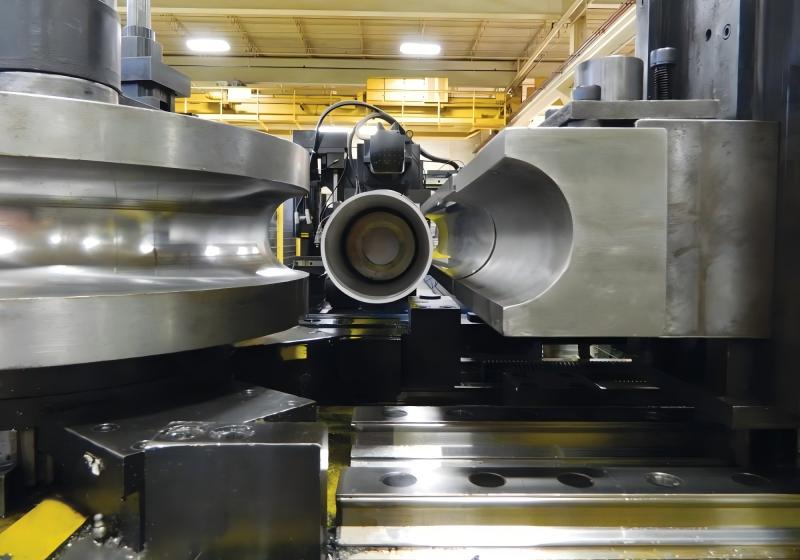
Mandrel bending is used when tight bends are required without causing wrinkles or kinks in the material. It is particularly useful for creating smooth, durable bends in larger diameter tubes used in high-pressure hoses and support structures.
3. Compression Bending
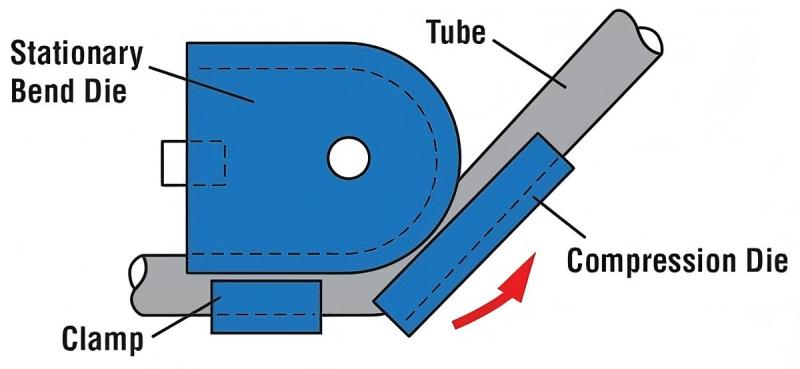
Used for less intricate bends, compression bending is often used to create simpler curves in larger firefighting pipes or parts that don’t require the same level of precision as other bending techniques.
Each of these methods ensures that the tubes used in firefighting equipment are both strong and reliable under extreme conditions.
How Tube Bending Enhances the Performance of Firefighting Equipment
Apart from enhancing the durability of firefighting equipment, tube bending also improves the overall performance of the tools. For example, bent tubes allow for optimal fluid flow in hoses and pipes, which is critical for the effective distribution of water or other firefighting agents during an emergency.
The precision of the bends also ensures that the equipment is ergonomically designed, allowing firefighters to work more efficiently. Custom bends and tailored shapes ensure that each piece of equipment fits perfectly into its intended system, whether it’s a fire truck or portable firefighting tools.
Common Firefighting Equipment That Uses Tube Bending
Several key components of firefighting equipment rely heavily on tube bending for their functionality:
- Fire Hoses: Tube bending is used to shape the connectors and nozzles of fire hoses, ensuring smooth water flow and easy handling.
- Fire Trucks: The pipe systems in fire trucks, including water distribution lines, use tube bending to ensure efficiency and strength.

- Breathing Apparatus: Components such as air supply lines in breathing equipment are often made with tube bending techniques to maintain flexibility and durability.
- Rescue Tools: Some rescue tools also incorporate bent tubes for improved design and handling during emergency situations.
FAQs
Why is tube bending important in firefighting equipment?
Tube bending is important because it allows manufacturers to create components that are durable, flexible, and capable of withstanding extreme conditions. This is essential for the performance and reliability of firefighting equipment during emergencies.
What are the types of tube bending techniques used in firefighting equipment?
Common tube bending techniques used in firefighting equipment include rotary draw bending, mandrel bending, and compression bending. Each method is chosen based on the specific application and material requirements.
How does tube bending improve the performance of firefighting equipment?
Tube bending improves performance by allowing for optimal fluid flow in hoses, creating ergonomically designed tools, and ensuring that structural components can withstand the force and heat experienced during firefighting operations.
Conclusion
Tube bending plays a vital role in the design and manufacturing of firefighting equipment, ensuring that components are both durable and functional under intense conditions. From improving the structural integrity of firefighting vehicles to enhancing the performance of hoses and nozzles, tube bending ensures that each part of firefighting equipment meets the highest standards of safety and reliability. If you want to learn more about tube bending techniques or explore specific equipment needs, feel free to contact our team for expert advice and support.


