


Tube Bending in Fitness Equipment is essential for creating strong, durable, and precisely designed gym structures. If you’ve ever wondered what makes this process so effective for fitness equipment frames, you’re in the right place. In this article, I’ll explain how tube bending enables ergonomic designs, enhances durability, and delivers a sleek, modern appearance for various gym machines. Whether you’re a manufacturer or a metal fabrication professional, this guide will help you understand why tube bending is the key to producing reliable, safe, and visually appealing fitness equipment.
Why Tube Bending Matters in Fitness Equipment Production

Tube bending is essential in the fitness industry because it allows manufacturers to create strong, seamless, and visually appealing frames. Traditional welding or cutting methods often leave visible joints that weaken the structure or require additional finishing. By using a precision tube bending process, it’s possible to produce continuous curves and compact structures that enhance both performance and durability.
Modern gym machines—such as treadmills, elliptical trainers, weight racks, and stationary bikes—rely heavily on bent tubing to form ergonomic designs that ensure user comfort and safety. Smooth bends eliminate sharp corners and create a sleek, professional appearance that meets the expectations of today’s fitness centers.
Advantages of Using Tube Bending in Fitness Equipment
1. Enhanced Strength and Stability
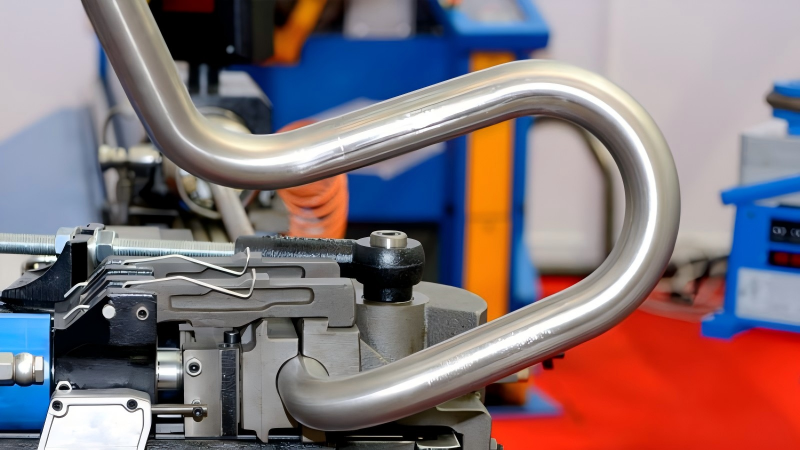
Bent tubes maintain their structural integrity better than welded joints. When using CNC-controlled bending machines, the material undergoes minimal deformation, ensuring consistent wall thickness throughout the curve. This results in higher load-bearing capacity and longer equipment lifespan.
2. Aesthetic and Ergonomic Design
Tube bending allows designers to achieve smooth contours and natural shapes that align with human biomechanics. For instance, curved handles on exercise machines provide better grip and comfort, while rounded frames reduce injury risks. The flexibility of this process also supports innovative designs that make gym equipment visually appealing.
3. Cost Efficiency and Material Optimization
Unlike fabrication methods that require multiple cuts and welds, tube bending minimizes material waste and production time. A single bend can replace several components, reducing assembly complexity and labor costs. In mass production, this efficiency leads to significant cost savings.
4. Precision Through CNC Tube Benders
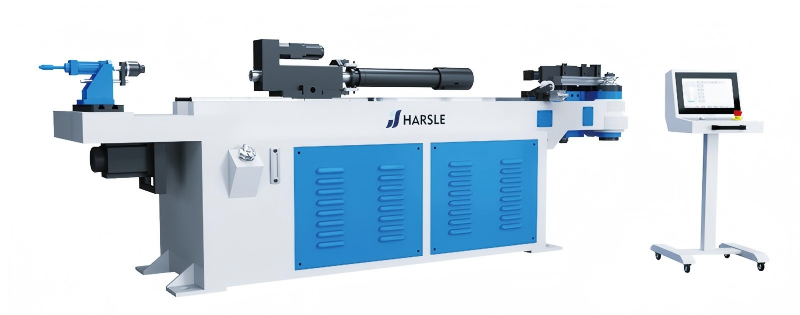
Advanced CNC tube bending machines ensure exceptional accuracy and repeatability. These machines can be programmed for complex geometries with high consistency, which is critical for maintaining uniform product quality across large batches of gym frames.
Common Tube Bending Techniques Used in Fitness Equipment
Rotary Draw Bending

Rotary draw bending is widely used to produce tight-radius bends without compromising tube integrity. It’s ideal for components like handrails, seat frames, and support bars, where precision is essential.
Mandrel Bending
For thin-walled tubes, mandrel bending prevents wrinkling and distortion. This technique is perfect for high-end fitness equipment that requires a premium finish and accurate dimensions.
Roll Bending

When large-radius curves are needed—such as in elliptical machine frames or large support structures—roll bending provides smooth and uniform results.
Design Considerations for Tube Bending in Fitness Equipment
When designing fitness equipment, it’s crucial to consider the bending radius, material type, and wall thickness. Stainless steel, aluminum, and carbon steel are the most common materials used due to their strength and corrosion resistance. Each material behaves differently during bending, so understanding its properties helps achieve better results.
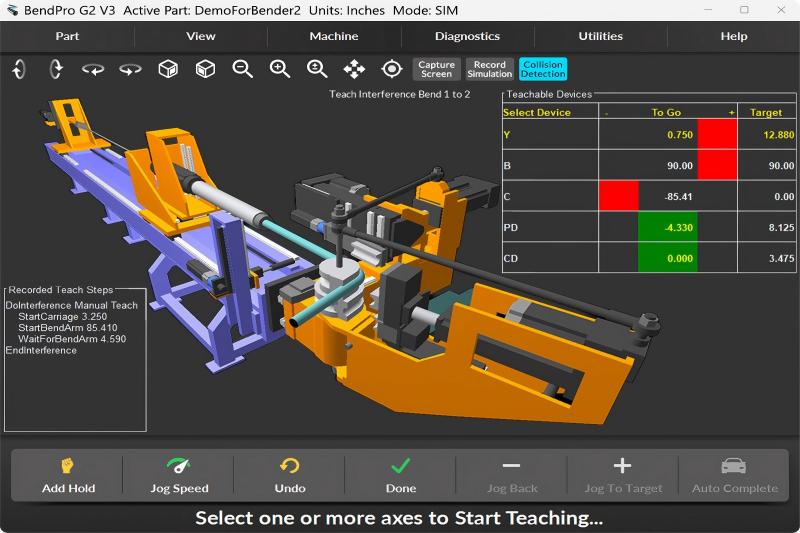
It’s also important to plan the bend sequence carefully to avoid interference during production. Using 3D simulation software allows engineers to visualize the bending path and optimize tooling setup, reducing errors and rework.
FAQs
Why is tube bending preferred over welding for fitness equipment frames?
Tube bending reduces the number of joints and welds, improving strength and aesthetics. It also shortens production time and lowers the risk of weak points caused by excessive welding.
What types of tubes are best for fitness equipment bending?
Stainless steel and carbon steel tubes are most common due to their strength, corrosion resistance, and smooth surface finish. Aluminum tubes are also used when lightweight designs are required.
How do CNC tube bending machines improve consistency?
CNC machines follow precise digital programs, ensuring that every bend angle and radius remains uniform across all products. This level of control guarantees consistent frame geometry and perfect assembly alignment.
Can customized gym equipment designs be made with tube bending?
Absolutely. Tube bending offers high flexibility, allowing manufacturers to create custom shapes and frame geometries that fit unique ergonomic and branding requirements.
Conclusion
Tube bending is the foundation of modern fitness equipment frame design, providing unmatched strength, precision, and style. By integrating advanced CNC bending technologies, manufacturers can achieve smoother curves, reduced waste, and higher productivity. If you’re looking to upgrade your production line or explore new frame designs, investing in a professional tube bending solution is the key to delivering durable and visually appealing fitness equipment.
For more technical guidance or to explore HARSLE’s high-performance CNC tube bending machines, feel free to contact our engineering team or visit our official website to learn more about customized bending solutions.


