


Tube Bending in Food Processing is essential for achieving the highest standards of hygiene and precision in equipment manufacturing. Every tube, pipe, and connection must be engineered to prevent contamination and support effortless cleaning. By enabling smooth, seamless bends that eliminate gaps where bacteria might thrive, tube bending technology ensures a cleaner and safer production environment. In this article, I’ll discuss how advanced tube bending enhances sanitary equipment design, highlight the best materials and bending methods, and explain how this process safeguards food safety while improving cleaning efficiency across production lines.
How Tube Bending in Food Processing Improves Hygiene
Precision tube bending allows manufacturers to create continuous piping systems without welding joints or fittings that can trap residues. This not only reduces the risk of contamination but also simplifies maintenance. By using advanced CNC tube benders, food equipment producers can ensure consistent bend radii and uniform inner surfaces, which support proper cleaning and sterilization.
Smooth Surfaces and Seamless Bends
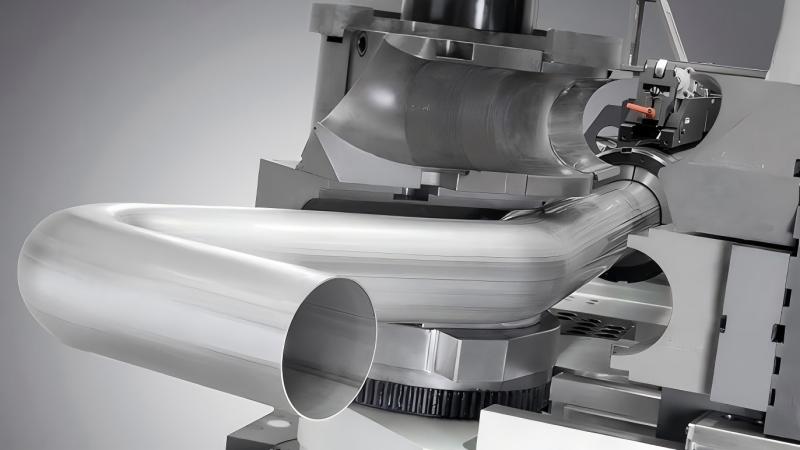
In sanitary applications, even small imperfections can harbor microorganisms. Tube bending technology ensures smooth inner walls that minimize friction and residue buildup. The elimination of weld seams also reduces cleaning time and lowers the risk of microbial growth.
Reduction of Dead Zones and Crevices
Dead zones—areas where fluids stagnate—are a common hygiene concern in food processing pipelines. Proper tube bending design eliminates unnecessary connections and sharp angles, maintaining a constant flow of liquids or gases and supporting complete drainage during cleaning cycles.
Compliance with Sanitary Standards
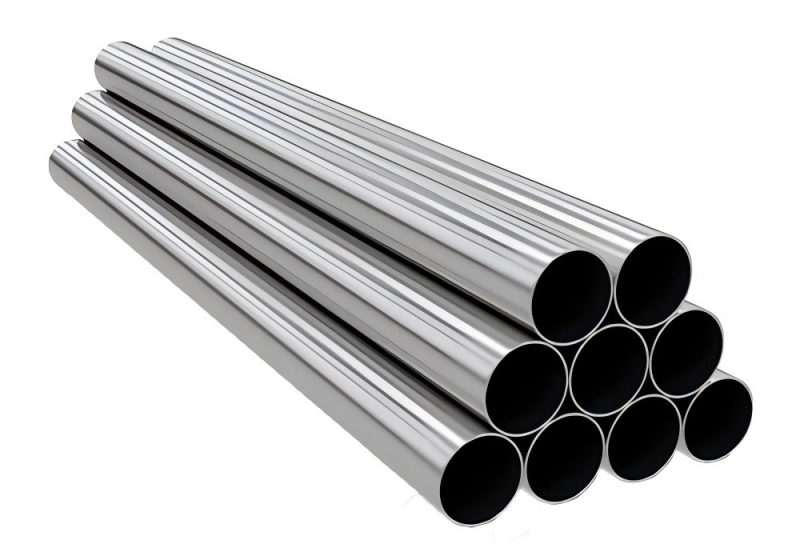
Most food processing plants must comply with standards such as 3-A Sanitary Standards or EHEDG guidelines. Professionally bent tubes, especially when made from stainless steel 304 or 316L, meet these hygiene requirements by providing corrosion resistance, easy cleaning, and long-lasting performance.
Materials and Techniques for Sanitary Tube Bending
Choosing the right material and bending technique determines how well the equipment performs in a hygienic environment.
Selecting the Right Tube Material
Stainless steel remains the preferred choice for Tube Bending in Food Processing because of its corrosion resistance and compatibility with cleaning agents. 316L stainless steel, in particular, offers superior protection against acids and chlorides found in food products.
Mandrel and Rotary Draw Bending for Precision

Mandrel bending supports the interior of the tube during the bending process, preventing wrinkles and maintaining the inner diameter. This is especially important for high-purity applications like dairy or beverage production. Rotary draw bending offers tight radius control, ensuring accurate and repeatable results across production batches.
Finishing and Passivation
After bending, tubes often undergo polishing and passivation treatments to restore the chromium oxide layer that protects against corrosion. These finishing steps are critical for maintaining sanitary conditions and extending the service life of the piping system.
Design Considerations for Sanitary Tube Layouts
To achieve optimal performance, engineers must consider both the function and hygiene of the design.
Minimizing Welds and Connections
The fewer the welds, the lower the contamination risk. CNC tube bending allows for longer continuous sections, reducing assembly time and potential leak points.
Slope and Drainage Optimization
Sanitary tubing systems are often installed with a slight slope to allow complete drainage during cleaning. Properly bent tubes help maintain this slope without introducing unnecessary joints or tension points.
Integration with Clean-in-Place (CIP) Systems
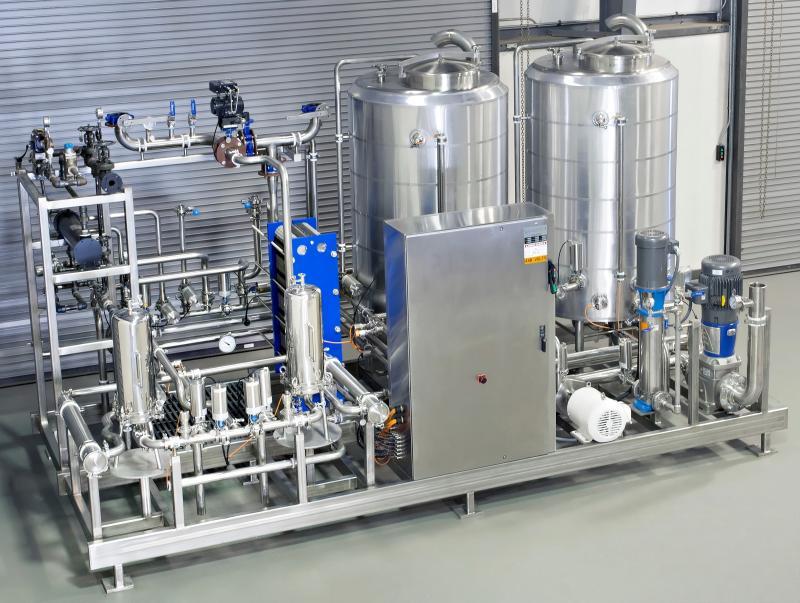
Tube Bending in Food Processing also supports automation through easy integration with CIP systems. Smooth bends and uniform flow paths ensure cleaning solutions reach every surface without obstruction.
Common Issues and Maintenance Tips
Even with precision tube bending, maintenance is key to keeping equipment sanitary and efficient.
Regular Inspection for Surface Damage
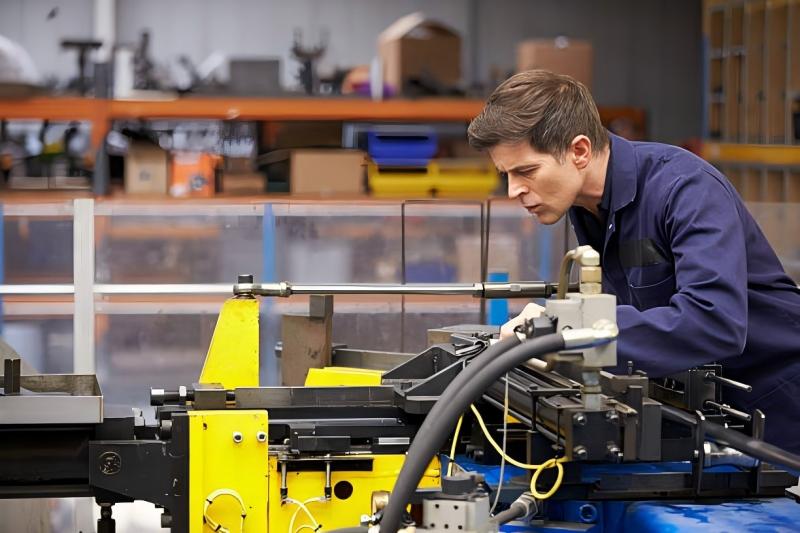
Scratches or dents can compromise hygiene. Inspect bent tubes regularly for signs of wear or corrosion, and replace any damaged sections promptly.
Cleaning and Sanitizing Procedures
Use cleaning agents compatible with stainless steel and avoid abrasive brushes. Automated cleaning systems can help maintain consistency and reduce human error.
Preventing Stress Cracks
Over-tight bending or using improper bending techniques can cause stress cracks in tubes. Ensure operators follow correct bending parameters to maintain structural integrity.
FAQ
Why is tube bending preferred over welded joints in food processing equipment?
Tube bending minimizes welds, which are potential contamination points. Seamless bends offer a smoother surface for cleaning and reduce the chance of bacterial buildup.
What materials are best for sanitary tube bending?
304 and 316L stainless steels are most common due to their corrosion resistance, strength, and suitability for frequent cleaning cycles.
How does tube bending affect cleaning efficiency?
Properly bent tubes create continuous paths for fluids, enabling thorough cleaning during CIP processes and preventing residue accumulation.
Can bent tubes be used in both high and low-temperature food applications?
Yes. Stainless steel bent tubes perform well under varying temperatures, maintaining structural integrity from freezing to cooking environments.
Conclusion
Sanitation, precision, and durability are at the heart of every food processing system. Tube Bending in Food Processing ensures that pipelines and frameworks meet hygiene standards while maintaining efficiency and reliability. By adopting precision bending technology and selecting the right materials, manufacturers can achieve cleaner production environments and lower maintenance costs.


