


Tube Bending in Medical Equipment is essential for ensuring the precision, safety, and reliability that modern healthcare demands. Every bend contributes to the structural integrity and functionality of medical devices—from surgical tools and diagnostic systems to hospital furniture. Because accuracy is non-negotiable in this field, even the smallest deviation can affect performance or patient safety. In this article, I’ll show how precise tube bending supports dimensional accuracy, improves product durability, and helps manufacturers comply with strict medical industry standards. Whether you’re designing equipment or managing production, you’ll discover practical ways to enhance quality and efficiency.
Why Accuracy Matters in Tube Bending for Medical Devices
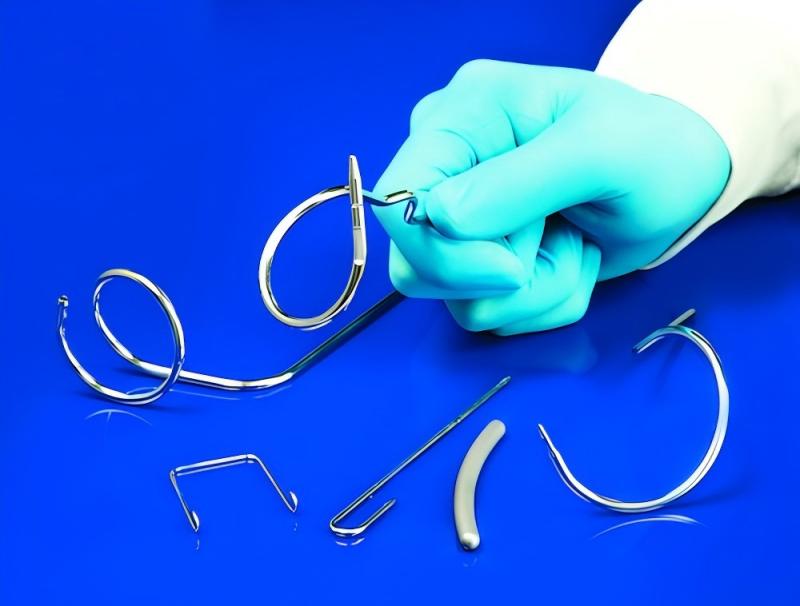
Accuracy in Tube Bending in Medical Equipment is not just about aesthetic perfection—it’s about performance and reliability. Even a small deviation in bending angle or radius can compromise assembly fit, lead to leakage in fluid systems, or affect the alignment of moving components. Medical equipment often requires tolerance levels within fractions of a millimeter, especially for stainless steel or titanium tubes used in surgical or diagnostic applications. Therefore, maintaining consistency through every bend is essential to ensure product functionality and patient safety.
Key Factors That Influence Bending Accuracy
1. Material Selection and Preparation
The first step toward accuracy begins with choosing the right material. Medical equipment typically uses corrosion-resistant and biocompatible metals such as stainless steel, titanium, or aluminum. Before bending, each tube must be inspected for uniform wall thickness and surface quality. Cleaning and degreasing are also critical to prevent contamination or slippage during bending. Proper preparation minimizes surface defects and ensures predictable deformation during the process.
2. CNC Tube Bending Machine Calibration
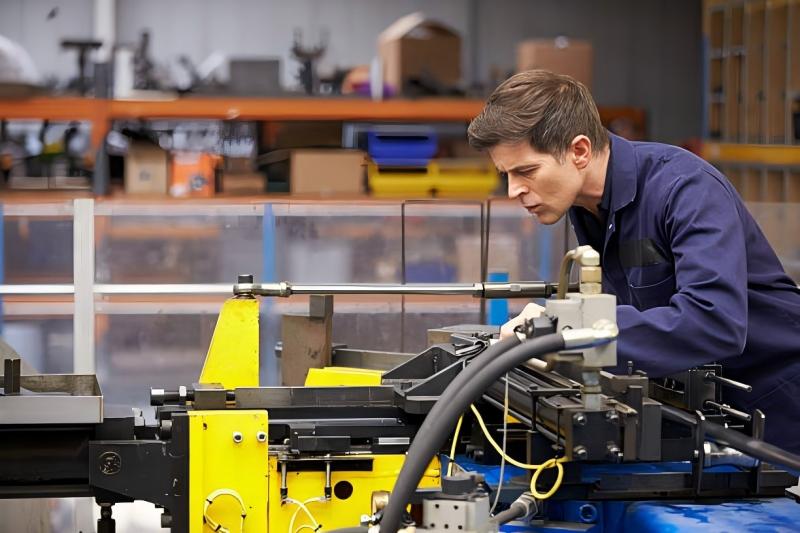
Precision depends heavily on machine calibration. Modern CNC tube bending machines use servo-driven axes to control bending angles, feed lengths, and rotation positions. Regular calibration—checking the mandrel position, pressure die alignment, and clamping force—ensures each bend follows the programmed dimensions. For medical-grade components, I always recommend verifying calibration before every production batch to maintain traceability and compliance with ISO standards.
3. Tooling Design and Setup
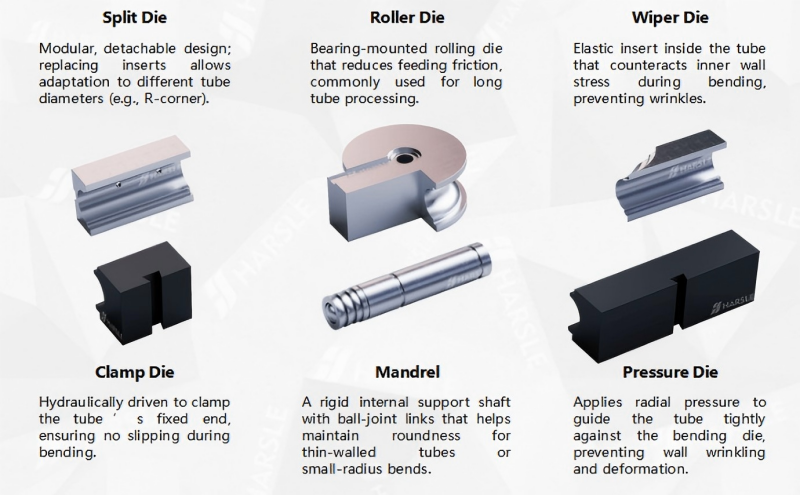
Tooling plays a decisive role in determining bend quality. Mandrels, wiper dies, and pressure dies must be precisely designed to match the tube diameter and material properties. Using improper tooling can cause wrinkling, flattening, or ovalization. In Tube Bending in Medical Equipment, where smooth internal surfaces are vital for fluid flow, any distortion is unacceptable. Fine-tuning tooling pressure and lubrication helps achieve a perfect bend radius without compromising material integrity.
4. Temperature and Speed Control
Excessive bending speed or improper temperature can lead to internal stress, cracking, or springback. For stainless steel and titanium tubes, slower bending with controlled heating ensures smoother deformation and minimizes residual stress. Many CNC machines offer programmable speed profiles, allowing gradual transitions that protect both the tube and tooling while ensuring consistent precision.
Advanced Technologies That Enhance Precision
CNC Automation and Servo Systems
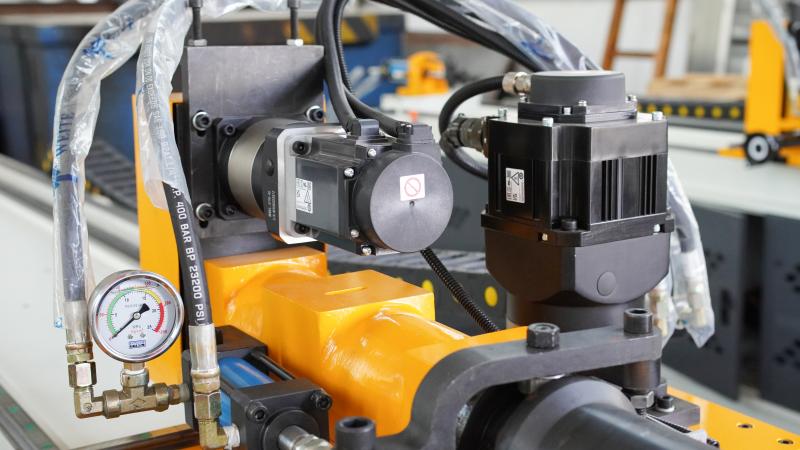
CNC automation allows real-time adjustment and data monitoring. Servo-driven systems ensure repeatable movements across all axes—feeding, rotating, and bending—resulting in micrometer-level precision. This technology is particularly beneficial when producing complex medical devices with multiple tight-radius bends.
Laser Measurement and Feedback Systems
Modern tube benders integrate laser measurement systems to detect deviations immediately. The machine adjusts parameters automatically to maintain accuracy within preset limits. This feedback loop not only improves precision but also reduces material waste and inspection time.
Mandrel and Support Optimization
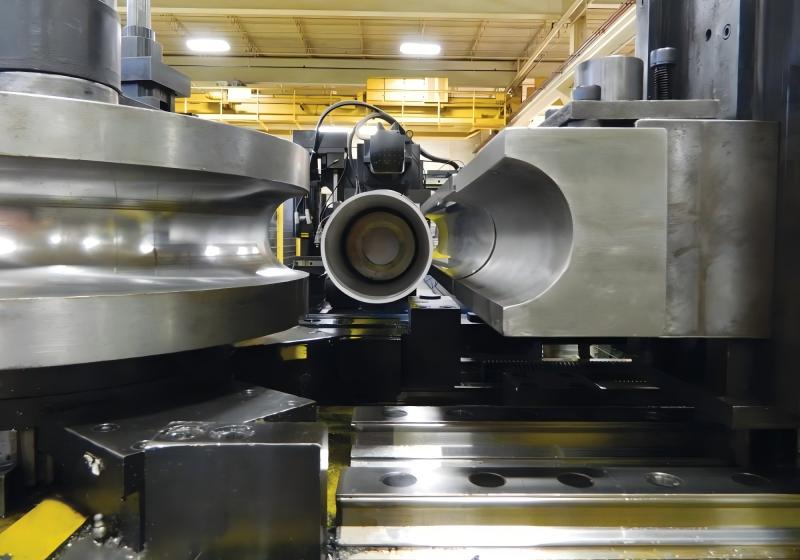
For thin-walled medical tubes, mandrels prevent internal collapse during bending. Using the right mandrel type—plug, ball, or segmented—maintains inner diameter integrity. Support systems, such as boost pressure and controlled retraction timing, further ensure wrinkle-free and distortion-free results.
Best Practices for Quality Assurance
Implementing Dimensional Inspection
After bending, tubes should be measured using coordinate measuring machines (CMM) or laser scanners. Dimensional verification ensures compliance with medical specifications. By recording this data, manufacturers can build traceable quality records for audits or regulatory inspections.
Maintaining Clean and Sterile Production Environments
Because these tubes are often used in critical medical devices, maintaining a clean production environment is essential. Any contamination—metal debris, oil residue, or dust—can compromise downstream sterilization or assembly. Using cleanroom-compatible lubricants and post-bend cleaning ensures hygiene and product reliability.
Continuous Operator Training
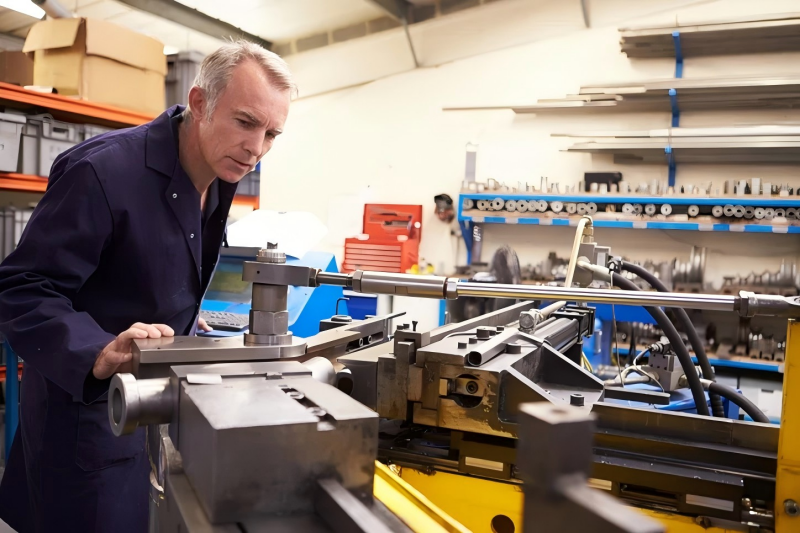
Even the best CNC machines need skilled operators. Regular training helps technicians understand how minor setup changes affect bending results. By combining operator expertise with automated precision, medical manufacturers can achieve the highest level of quality consistency.
FAQs
What tolerance is acceptable for Tube Bending in Medical Equipment?
Most medical applications require bending tolerances within ±0.1 mm or less, depending on the equipment design. Maintaining these tight tolerances ensures assembly compatibility and long-term durability.
How often should a CNC tube bending machine be calibrated for medical applications?
Calibration should be performed before each new production batch or at least once per week for continuous operations. This guarantees consistent accuracy and compliance with industry standards.
Can automation improve accuracy in Tube Bending in Medical Equipment?
Yes, automation with servo-controlled systems ensures repeatable precision. It minimizes human error, maintains constant bending angles, and allows quick adjustments for different tube materials or sizes.
Conclusion
Accuracy in Tube Bending in Medical Equipment defines the reliability and safety of the final product. From material preparation to machine calibration and quality inspection, every detail contributes to the overall precision. By implementing advanced CNC technology, optimized tooling, and rigorous inspection methods, manufacturers can achieve superior results and meet global medical standards.


